
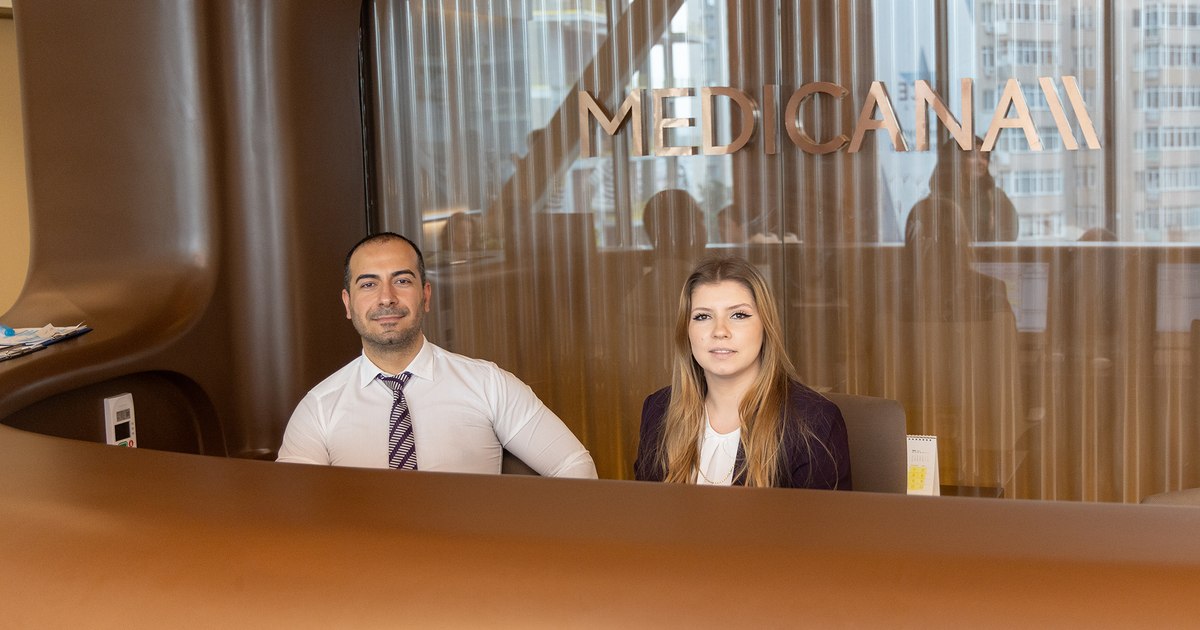
The Medicana Group, one of the largest private health operators in Turkey, expands its hospital network in Europe and targets Romania for the next investment.
The Medicana Center extends to Romania Mircea Maer in Romania
In an interview exclusively for Adevărul, Dr. Atilla Yilmaz, a functional neurosurgery specialist, explains how latest technologies, such as deep brain stimulation, offers new chances diagnosed with Parkinson’s, epilepsy or obsessive-compulsive disorders.
The Medicana Group, one of the largest private health operators in Turkey, expands its operations at international level and has plans for expansion in Romania.
With 17 hospitals already opened in Turkey and recent investments in Bosnia and the United Kingdom, Medicana is now targeting the private medical market in Romania for a possible Greenfield acquisition or investment.
“We plan to open a hospital in Romania in three to five years. It is a country where we want to invest, especially since other Turkish groups have already entered this market“, Said Murat Kaya, general manager of the Medicana Ataşehir Hospital in Istanbul.
Functional Neurosurgery: The future of modern medicine
One of the fields of excellence of Medicana is functional neurosurgery, coordinated by Dr. Atilla Yilmaz within the Center for Movement Disorders in Istanbul.
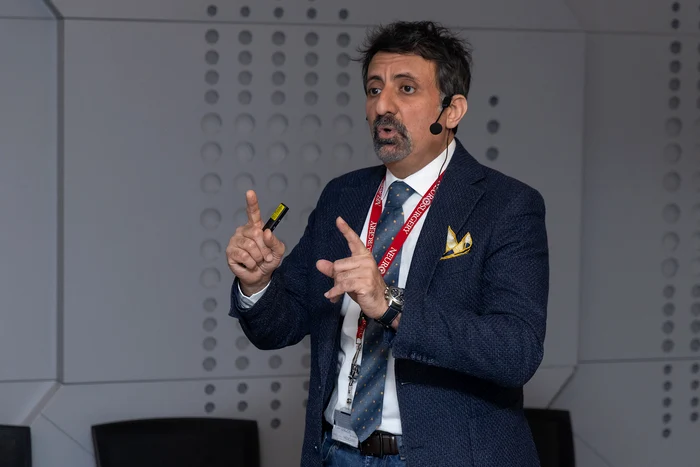
Dr. Atilla Yilmaz, Functional Neurosurgery Specialist Mircea Maer
“95% of my interventions are functional neurosurgery operations. Deep stimulation radically changes the lives of patients and their families”Says Dr. Yilmaz.
The deep brain stimulation procedure (DBS) has become a real rescue for patients with Parkinson’s disease, epilepsy or Tourette syndrome. “In the past, if the drugs did not work or caused serious adverse effects, there were no other options. Now, thanks to DBS, we can play patients the chance at a normal life”, Stress the neurosurgeon.
The new borders of neurosurgery
The future of this field is extremely promising. “Currently, the FDA has approved the use of deep brain stimulation for Tourette and epilepsy syndrome. In the future, we expect approvals for treating major depression, obsessive-compulsive disorder and Alzheimer’s disease”Says Dr. Yilmaz.
These perspectives open the way for treating diseases that affect millions of people globally.
Interdisciplinary collaboration for excellent results
The treatment of patients with movement disorders involves the involvement of a multidisciplinary team.
“Even if the patient comes directly to the neurosurgeon, collaboration with the neurologist is essential for establishing a clear Parkinson’s diagnosis. In addition, we must ensure that the patient does not suffer from major mental disorders or cognitive problems, which is why we involve a psychiatrist”, Explains the doctor.
Also, after the operation, the role of physiotherapists, psychologists, nutritionists and speech therapists becomes crucial in the patient’s complete rehabilitation.
The latest generation technology
The success of these interventions depends on access to advanced medical technology.
“It is absolutely necessary to have the highest quality MRI images, modern equipment and a permanent care for the patient. All this is available within the Medicana Center”, Points out Dr. Atilla Yilmaz.
In his opinion, the combination of medical expertise, top technology and a patient -focused approach is the key to obtaining the best results in functional neurosurgery.
