
Romania is making its place more and more in the international charts of good countries to visit. From the classic preparations to the innovative menus, Bucharest enters the light of the global culinary reflectors.
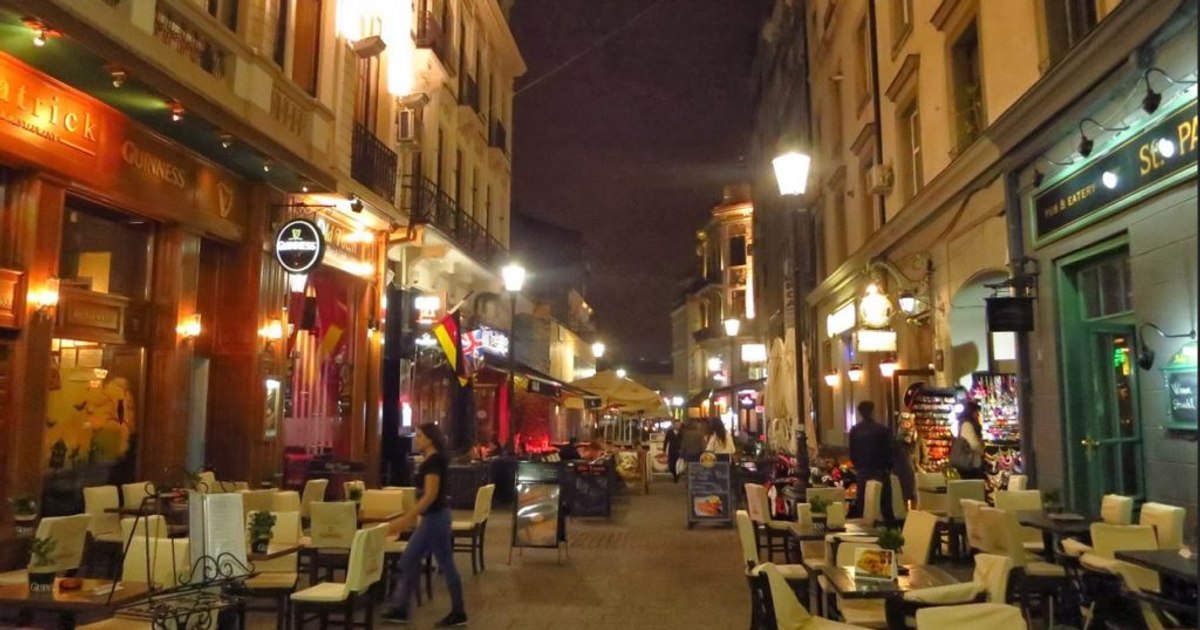
Old Center in Bucharest Photo: Archive
The capital of Romania was recently included by National Geographic, on the list of culinary destinations that are worth discovering. Obor Square is one of the recommended areas.
The prestigious publication describes the Obor terrace as a “insignificant” place at first sight, but serving “best juicy rollers of fried meat over open fire“. Journalists from National Geographic recommend that they be enjoyed”hot, with fluffy bread and spicy mustard“, considering that it is”The best Romanian street food“.
The journalists from National Geographic were also in Bistruri, Băcănii but also in fine dining restaurants.
“Nicknamed “Little Paris” between the two world wars for its elegant architecture and the great boulevards, Bucharest has a continuous admiration for the French refinement. The same sensitivity now shapes the gastronomic scene of Bucharest. A new generation of chefs – many formed in the top European kitchens – return home, eager to combine modern techniques with the rich culinary heritage of Romania. They join the Romanian chefs and the expatriate chefs who made their home from Bucharest, to create a dynamic and diverse gastronomic landscape“I write the people from National Geographic.
Romania, compared to Switzerland
They spoke in praiseworthy terms, in another article, and about the Carpathian Mountains, which they compare with the Swiss Alps: “The Alps of Transylvania offer visitors for abundant wildlife, sites included in the UNESCO World Heritage and picturesque villages, without agglomeration ”.
National Geographic explains why tourists should give up the Swiss Alps for our Carpathians: “the sound of the talns, the meadows full of flowers, the chance to see the wild animals, in their environment, are well -founded reasons”.
“While the Swiss Alps have long been the preset destination for mountain escapes in Europe, the Transylvanian Alps offer Mountains just as majestic to a fraction of the cost. Transylvania, whose Latin name means “earth beyond the forest”, has been a crossroads for centuries. The Roman, Ottoman, Hungarian and Saxon influences have put their mark on anything, from architecture to kitchen ”, He writes the prestigious magazine.
