
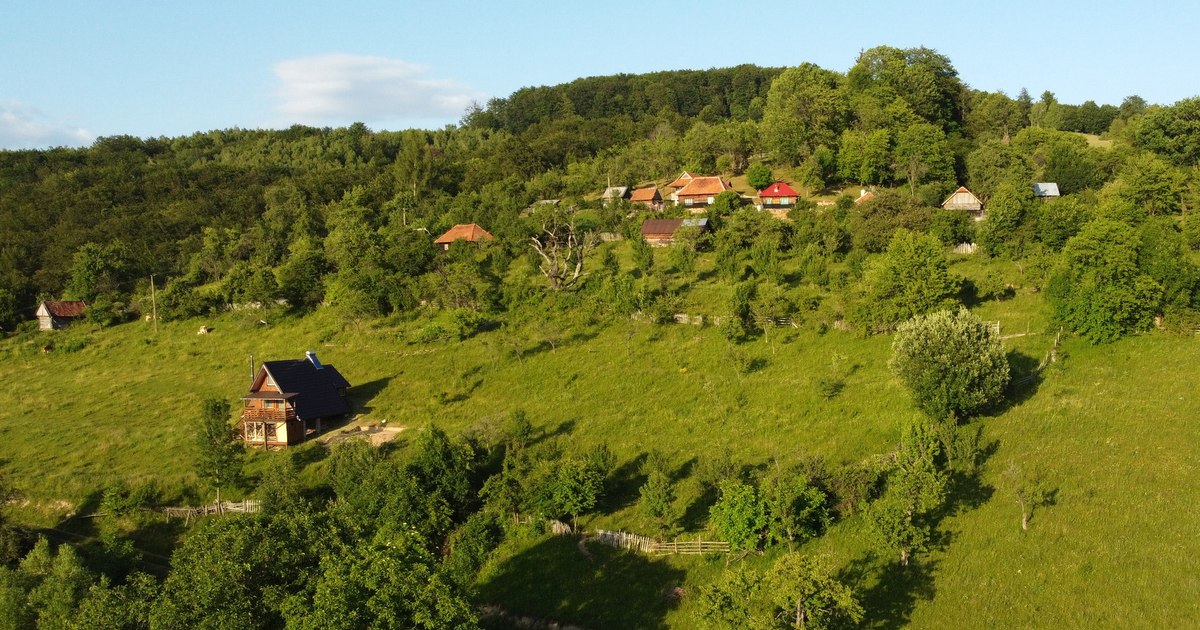
Many Romanians established for years in the West enthusiastically tell about their plans to return and live in the more deserted, but picturesque villages of Romania. Some of those who have already taken this step admit that the reality of life in the village is much harder than they imagined.
The old woman, one of the deserted communes of Romania. Photo: Daniel Guță. TRUTH
Many Romanians who have been living for many years in Europe want to return to Romania, but not in the cities from which they left, but in the increasingly depopulated villages, which they see in an idyllic way.
Some have told that they managed to buy houses and lands and make plans for the big return.
Depopulated villages, with more and more expensive houses
Meanwhile, a lot of villages in Romania have reached the threshold of disappearance, after their last inhabitants are leaving. The paradox, say the inhabitants of some communes like the old woman, from Hunedoara county, where 50-60 people live, is that the Romanians who want to buy their households here have little opportunities.
“Many old houses were bought, in the past years, when they were cheaper, and now they are a kind of holiday homes. Summer, from time to time, their owners return to the village and take care of them. But they do not live here permanently.” tells a local from olda.
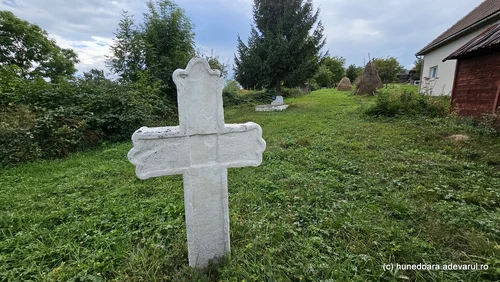
Image 1/13:
Batrana village of Hunedoara Photo Daniel Guță (78) JPG
In addition, real estate prices have increased a lot in recent years, even in isolated settlements. “A few years ago, such houses were real bargains. They were given with several thousand euros, because they had been inhabited by the elderly, and after their death, their children did not want to return to the country, some were gone through the West. adds the villager.
In some almost deserted mountain villages, buyers have found any affordable offers as a price at old homes.
“In our village, a house recently sold, with about 16,000 euros. But being an old home from the 1970s and degraded, the new owners if they want to live here will need a lot of money to refurbish it, starting from changing the plaster, electrical installations, the roof, to its complete removal and” says a local from Cerișor village in Hunedoara, a settlement with about 20 – 30 inhabitants.
Plans based on dreams
Many Romanians left for years from Romania, to work in the West, watch the villages depopulated in an idyllic way, and the return “to the roots” is part of their plans.
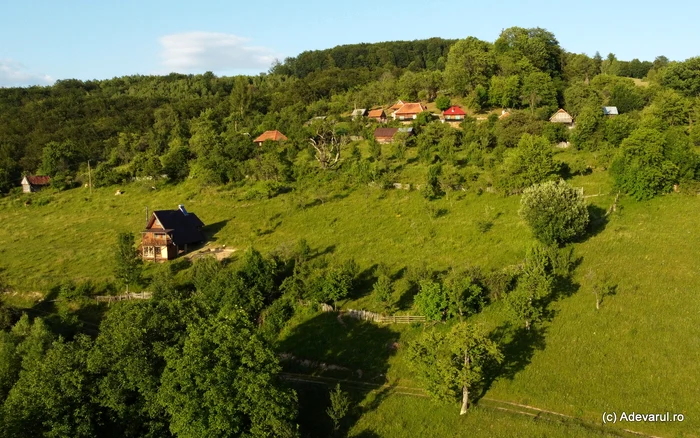
Alun, one of the almost deserted villages, without current and road. Photo: Daniel Guță
In summer, in particular, when nature is in its fullness, and the gardens and orchards bear fruit, some rural settlements in Romania are appreciated for their appearance and the surrounding relief, and the longing for more and more Romanians includes more and more Romanians. However, some tell that they have not even arrived in the country on leave, while others say they have returned here and took important steps to fulfill their desire to move to the country.
“We also took the house 18 kilometers from Bacău and, after 20 years of abroad, we return home. I do not come with dreams, I do not come with plans, I come only with hope for a quiet life. Without stress and agitation. We have a business, so an income will be sure! However, I go on the premise that people from outside the cities lead a healthier and less stress life, which is why my hope is to have a similar life ”, Tell a Romanian, on the Facebook group “moved to the country”.
Houses bought waiting for the pension
A Romanian tells that for 11 years she lives with her husband in Germany, after another ten years lived in Greece. Meanwhile, he bought a house in Romania, which he has been keeping for several years, for now uninhabited, for the days when he hopes he will return.
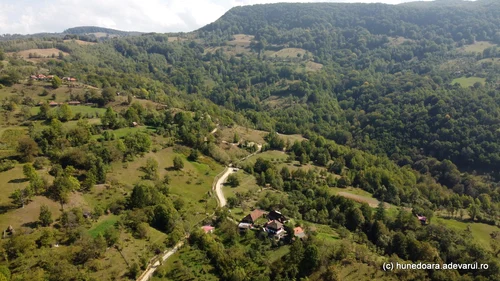
Image 1/12:
Valea Luncani Cioclovina Photo Daniel Guță Adevărul (17) JPG
“We still live in Germany and, from 2021, since I bought a house in the country, in Vâlcea county, at the foot of the mountains, I dream at the moment when we will move permanently there. Years, I hope this is the last one.says this.
Another Romanian who left in the West tells that he bought an old house in a village in Bihor, which he visits on leave, to work a little.
“Two years ago I bought a house of chirpici near Oradea. Every year we go home and renovate alone, slowly, as we can, keeping the beauty of the upper beams on the ceiling, the rustic beauty with which we grew up. We have to take a bath and a kitchen. Also. he reported.
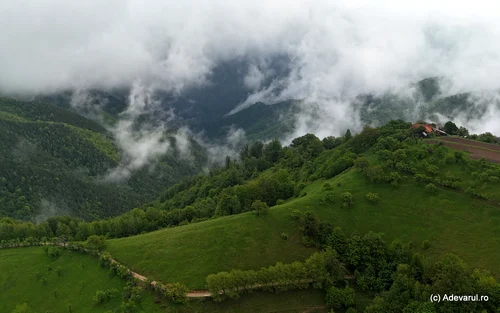
Image 1/25:
Satl Uricici from Hunedoara Photo Daniel Guță Adevărul (22) JPG
Many Romanians from the diaspora claim, in their turn that they have large return plans in the Romanian villages, which they have only seen in passing and in the photographs circulating on social networks. Some have told that they will do this over a year – two, others that they will work in countries like Italy or Northern Ireland for many years, 15 – 20 years, until they retire.
“My dream is to have a cottage in the mountains, to learn to put vegetables in the ground, to enjoy peace and clean air … to have animals, not to hear the clock that sounds to work, but only the chirping of birds.”supports one of them.
The reality of the Romanian villages, less bidding
Retounded in an idyllic way in the plans of Romanians who have been in the West for years, life in the forgotten villages of Romania was full of challenges for many of those who made the West of the Archaic settlements.
According to their own experiences, some consider the Romanians from the diaspora broken by the realities in the Romanian rural and advise them to take into account more things before returning. A constant source of income or a job are necessary, and in many forgotten villages in Romania, the only remaining jobs are positions at the town hall
“There are many people who come back from abroad and move to the country. But you must first see what money you come, what you want to do and how developed is the area where you will live. You cannot live without money in the country, unless you want to live as our great-grandfather You invest in agriculture is wonderful and you do not need to hire.tells a local from Cluj.
Someone else notes that living in the Romanian villages has increased in recent years.
“For us, for example, the price of water, either in the country or in the city, it is the same. Agriculture, in some areas, does not work, because the drought destroys everything, from fruits to vegetables, if you do not have water.he adds.
Animal breeding – non -stop work
Work is difficult, often stressful and breaking for those who want to raise animals, adds someone else, moved to the country.
“Animals do not have holidays or holidays and there are factors that you cannot control, but on which the harvest depends over the year: frost when you need the least (in the last 2-3 years it was frozen in April), drought, floods, etc. in the rest, God help!”says the Romanian.
Someone else adds that Romanians from the West must prepare to face the difficulties they could in old age.
“Working in the village, in your yard, is not a torment. But over a few years, when you need a pension and, especially, what will you do? Where will you have resources to take care of yourself? Will an age come when even bringing a wood arm or the herb will become heavy.“He says.
A Romanian passed through the experience of the return offers an even more darker description to the Romanian villages.
“I do not advise you to return to the country. I did this, but now, when it is not raining and drought, no matter how wet, nothing is done, not even the grass. she says.
“But the household man never dies of hunger. He is doing in the middle of the desert”, someone else concludes.
