

Numbness, tingling, pain in the limbs? Find out what a pinched nerve means, what causes it and how you can support the recovery of the peripheral nervous system.
The most important things:
- What is a pinched nerve?
- What are the most common symptoms?
- What conditions can cause nerve compression?
- What are the methods of restoring nerve function?
- When should you seek medical attention?
Many people describe nerve pain as “migrating”—starting at one point and spreading down a limb or down the back. It is often accompanied by numbness, tingling or a burning sensation, which distinguishes it from muscle discomfort.
These types of symptoms are often underestimated, especially when they occur intermittently. In reality, they may be a sign of a pinched nerve—a condition that requires attention, prompt care, and, in some cases, restoration of nerve function. In this article we’ll look at what exactly a pinched nerve is, what the warning signs are to look out for and most importantly how we can relieve discomfortl. We will also explain how modern solutions can help, such as Phenaxone.
What is a pinched nerve?
The peripheral nervous system is a network of nerves that connects the brain and spinal cord to the rest of the body. They transmit signals related to movement, pain, temperature and sensitivity.

A compressed nerve occurs when surrounding tissues—bones, discs, muscles, or tendons—put pressure on a nerve fiber. This compression disrupts the normal transmission of nerve impulses and leads to the appearance of characteristic symptoms.
The most common symptoms of a pinched nerve
Symptoms can vary by location, but the most common include:
- Numbness – partial loss of sensitivity
- Tingling – “pins and needles” sensation
- Burning or stabbing pain
- Pain that spreads along the limb
- Reduced sensitivity to touch or temperature
Usually, the discomfort follows the “path” of the nerve—for example, from the lower back to the leg or from the neck to the arm.
Where does nerve compression most often occur?
The most common areas of compression include:
- Lumbar area
→ pain radiating to the buttocks and leg (sciatica)
- Neck → numbness in the arm
- The wrist → carpal tunnel syndrome
- Shoulder and elbow → local neuropathies
- Sole → compressed peripheral nerves
These conditions are often associated with repetitive movements, incorrect posture or degenerative changes.
The main causes of pinched nerves
Mechanical causes
Lifestyle factors
- Prolonged computer activity
Medical conditions
Approaches to amelioration and recovery
Treatment and recovery depend on the cause and severity of the compression.
Conventional approaches
- Rest and limitation of exertion
- Physiotherapy and physical therapy
- Anti-inflammatory drugs
Support for the nervous system
Nerve tissue regenerates slowly, so additional support is often recommended by:
- Substances with neuroregenerative effect
- Specialized products for peripheral nerve function
In the context of a compressed nerve, in addition to reducing inflammation and mechanical pressure, an essential element in recovery is direct support of nervous tissue. Compression can cause disruption of nerve circulation, damage to the myelin sheath, and slowing of nerve impulse conduction—processes that require time and targeted neuroregenerative support.
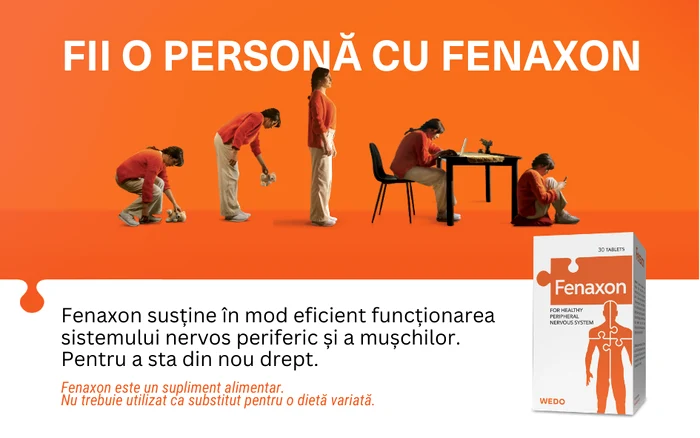
This is where specialized products for the peripheral nervous system come in, designed to support the restoration of nerve function. Phenaxone combines powerful active ingredients with a proven role in supporting and regenerating nerve cells, while also helping to reduce sensations of numbness, tingling and nerve pain.
Formula Phenaxone it targets several key mechanisms:
- Supporting the regeneration of nerve fibers
- Improving nerve conduction
- Reduction of inflammatory processes around the nerve
- Relief of discomfort in compression neuropathies
Phenaxone it is effective in conditions associated with compression or damage to peripheral nerves — such as discopathy, sciatica, carpal tunnel syndrome, plexitis, and various forms of polyneuropathy.
It is important to emphasize that this type of support is usually part of a complex approach, which may include physiotherapy, mobility exercises and medical consultation when necessary.
When symptoms should not be ignored
Although in many cases a pinched nerve can be treated conservatively, there are situations where medical evaluation is necessary:
- The pain persists for weeks
- Progressive weakness is observed
- Loss of sensitivity occurs
- Coordination or movement is impaired
- The pain intensifies at night
These signs may indicate more serious nerve compression or damage.

The role of early care of the nervous system
Nervous tissue has a limited capacity for regeneration. Therefore, early intervention—through physical therapy, lifestyle changes, and nerve function support—is essential to prevent chronicity.
Nerve care means care for mobility, sensitivity and quality of life.
Conclusion
A pinched nerve is not just temporary discomfort, but a signal your body is giving you. Recognition of symptoms, early intervention and a comprehensive approach to recovery can significantly improve the prognosis.
Supporting the peripheral nervous system — including through specialized products — is an important step toward regaining comfort and freedom of movement in everyday life
_______________________________________________________________
Frequently Asked Questions:
1.
Can a pinched nerve get better on its own?
- Yes, in milder cases, rest and therapy can reduce symptoms.
2. How long does recovery take?
- From a few weeks to a few months, depending on the degree of damage.
3. When is medical imaging necessary?
- In cases of severe, persistent or progressive symptoms.
4. Do nerve regeneration products help?
- They can support recovery as part of complex therapy.
_______________________________________________________________
Sources:
Do not exceed the recommended daily dose of 1 tablet. It does not replace a varied diet. Keep out of reach of children. BABH application no. 4421/01.03.2023 T22230080/02.03.2023
