
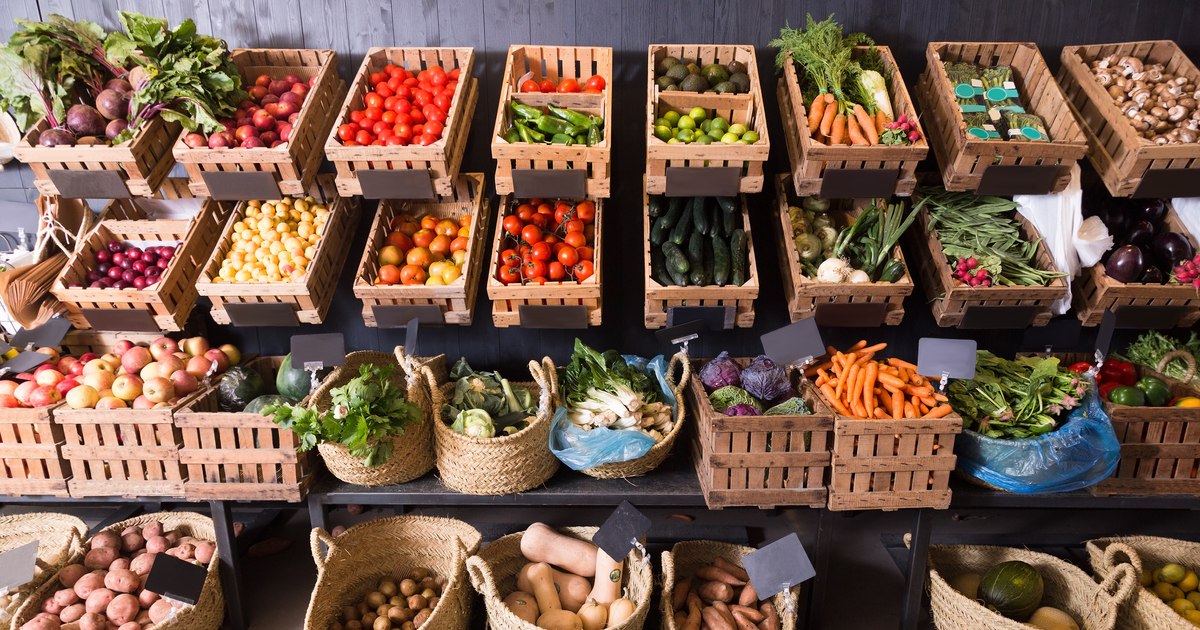
The National Phytosanitary Authority identified, in 2025, pesticides above the limit in fruit and vegetable samples. The most non-conformities occurred in tomatoes, followed by lettuce and some fruits such as strawberries, pears, apples and peaches.
“The National Phytosanitary Authority has finalized the Report on the National Program for Monitoring Pesticide Residues from fruits, vegetables and cereals from domestic production, for the year 2025, carried out according to Regulation (EC) no. 396/2005“, the institution sent in a statement.
According to the report, as a result of the checks, exceedances of the maximum allowed limits of pesticides were identified in several types of fruit, including strawberries, peaches, apples and pears.
“Of the 914 fruit samples analyzed, in 411 (45%) samples no pesticide residues were detected, 499 (54.6%) samples had pesticide residues with values lower than the MLA (compliant samples) and 4 (0.4%) non-compliant samples with pesticide residue values higher than the MLA, represented by: strawberries, one sample, peaches, one sample, pears, one sample and apples, a sample”it is stated in the ANF document.
According to the document, one sample of each of the mentioned fruits, strawberries, apples, pears and peaches, did not comply with the requirements established by Regulation no. 396/2005, regarding the levels of substances such as acetamiprid, diflubenzuron, pirimiphosmethyl and tetramethrin.
The non-compliant samples were detected by the county phytosanitary offices in Giurgiu (apples), Hunedoara (peaches), Prahova (strawberries) and Iași (pears).
Among the most frequently identified substances, but in values below the maximum allowed threshold, are boscalid, cyprodinil, fludioxonil, tebuconazole, acetamiprid, fluopyram, difenoconazole, pyrimethanil and azoxystrobin.
The data indicate that fungicides represent a significant share of the total pesticides used for fruit treatments.
Regarding vegetables, 3059 samples were analyzed, of which 2122 samples (69.4%) did not present pesticide residues, while 897 samples (29.3%) contained pesticide residues, but with values below the maximum allowed limit (MLA), being considered compliant.
Only 40 samples, representing 1.3% of the total, were identified as non-compliant, as they presented pesticide residue values above the maximum allowed limit.
The 40 non-conforming samples come mainly from tomato – 23 samples, followed by lettuce – 9 samples, green beans – 2 samples, celery leaf – 2 samples, as well as 2 samples each of scallions, one sample of spinach and one sample of dill.
