
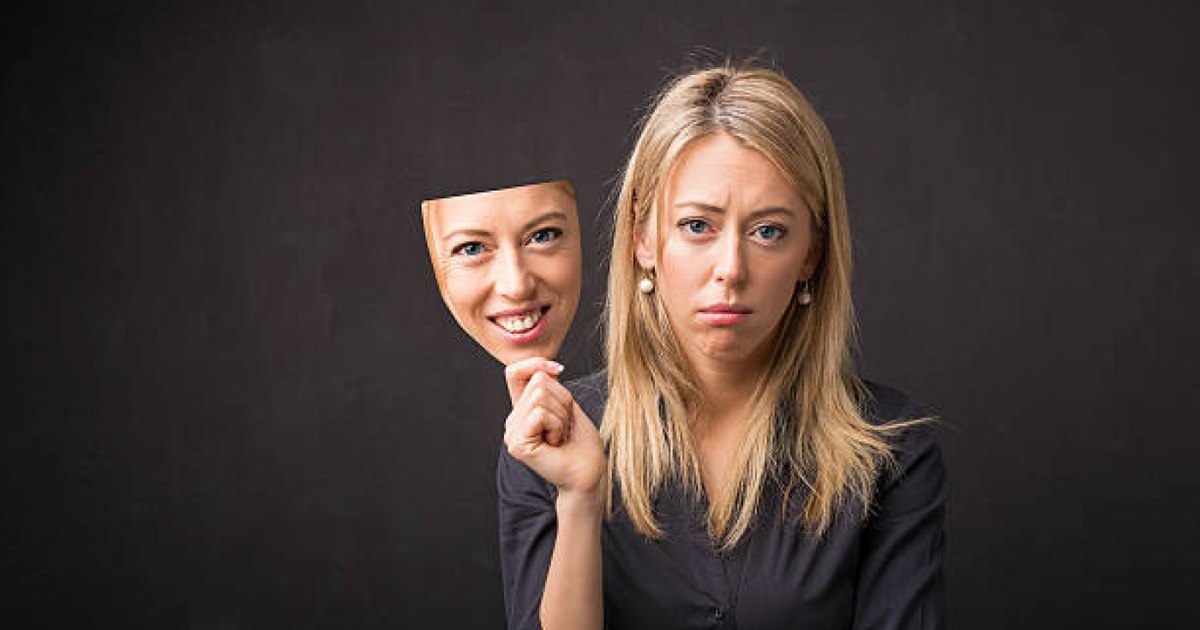
Romanians are the unhappiest in the European Union and are among the unhappiest in the world. That's the conclusion of the Hologic Global Women's Health Index, a comprehensive global survey measuring the well-being of women in 143 countries and territories. A personal development expert and a psychologist explained what makes Romanian women so unhappy.
PHOTO Archive
The Hologic study, based on responses from 79,000 women, looks at several key factors to determine their well-being: preventive care, emotional health, basic needs and individual health. Romania ranks 65th in the world, with a score of 54 out of 100, where 0 represents the worst possible and 100 the best. Specifically, only women from Bosnia and Herzegovina, the Republic of Moldova and Albania are unhappier than Romanian women, at the European level. Worldwide, women from countries such as Tajikistan, Uzbekistan or Kazakhstan are happier than those from Romania.
The concept of happiness is relative and influenced by cultural and social context: for some women, happiness may be related to family stability and respect for traditions, while for others it may mean individual achievements and personal autonomy. “It depends on what the benchmarks of happiness are, because we cannot compare the benchmarks of a woman in Muslim countries or China with women in the European Union. There the standards are different, being happy means having a large family, children and the husband earning very well, peace and the absence of violence and aggression in the family, while in Romania, the standards are the European ones, the benchmarks are much higher and much more complex. The Romanian woman wants to be a successful woman, to have a functional relationship, to have a healthy and fulfilled family. I mean, there are a lot of conditions and these standards, sometimes, are unrealistic, they are raised very high and clearly they don't end up being reached. It depends on each one what is the consistency that gives the meaning of happiness. From an emotional point of view, if we compare with women in Muslim countries, in Asian countries, they have much simpler demands. They want a family, in Muslim countries there are some rules of family conduct, breaking up the family is much more complicated. And then clearly women are more satisfied because they feel safer, they have security and they have support because there the family, and the extended family, is very united“, explains psychologist Keren Rosner.
The happiest women in the world are found in Taiwan, Kuwait, Austria, Germany and Switzerland, while the unhappiest live in Bahrain, Burkina Faso, Ukraine, Afghanistan and Sierra Leone.
About one in three women worldwide reported spending much of the day before the survey in physical pain. Moreover, 4 out of 10 women confirmed that they had experienced stress in the previous day.
Why are Romanian women the most unhappy?
Limited access to preventive care, daily priorities related to a low standard of living, and the negative impact of the pandemic on emotional health are just some of the factors that contribute to this situation.
The score for preventive care fell from 30 to 23 in the past year. The lack of regular medical screenings and check-ups contributes to undetected and untreated health problems. This is also seen in the Eurostat report, which shows that Romania has the highest number of deaths from both preventable and treatable causes in the European Union. “From the point of view of health and physical well-being, if we compare ourselves to other women in the European Union, we certainly do not have the same health system and the same success. Because women in other countries have more time to devote to themselves and the health system is designed so that prevention is at the forefront. With us, you go to the doctor when you already have a problem, so things get complicated”explains psychologist Keren Rosner.
At the same time, the index for basic needs fell from 80 to 74, indicating difficulties in securing food and adequate shelter.
Romanian women faced an increase in domestic and caring responsibilities, as well as economic uncertainty, which led to a worsening of their emotional state. Social isolation and lack of support from family and community contribute to feelings of unhappiness. Romanian women do most of the housework, show numerous studies, and this leaves them with no time. “Here, individualism can be seen, it shows its consequences also in terms of women's happiness, because more and more women are single, the family is smaller, sometimes it's just a woman with a child and it's certainly not can move so quickly from the traditional family to a different kind of family without any emotional consequences, a labor that changes the mentality and changes the desire and the benchmarks. Because in the end, happiness depends a lot on the benchmarks we have, on motivation, on what we want. The simpler and easier things we want, the happier we will be. The higher and more complicated standards we have, in more areas, the more difficult they will be to achieve. Because you don't have the time to devote to all aspects of life and you don't have the energy to get involved in everything you want to happen in your life“, detailed Keren Rosner for “The Truth”.
Persistent gender discrimination and inequality in Romania negatively affects women, limiting their access to economic and social opportunities. This leads to a state of frustration and constant dissatisfaction. “One of the causes is discrimination at work, in society in general, which leads to a decrease in self-esteem. Women are often subjected to strong social pressures related to their physical appearance, personal life or career, which can make them feel like they are not enough and that they are not seen for who they are. Many of them struggle to manage their roles as mother, wife and employee at the same time, which can lead to high levels of stress and unhappiness“, adds personal development advisor Mirela Husaru.
He needs to ask for help
The central problems are anxiety and depression, often related to inappropriate interpersonal relationships, from a casuistic point of view, says Keren Rosner. Emotional support from partners, family and friends can be crucial in overcoming these difficulties, even in limited material conditions.
Urgent interventions in public health, access to health care and emotional support for women are needed to reduce the rate of unhappiness, but above all, there are things we can do too. “First of all, let's identify what exactly we want, what would be the meaning of life and what exactly we believe would bring us contentment and implicitly happiness. Because if you are insecure and you don't know exactly, you can take it on a path that leads to success, but professional success, but in fact for you the emotional and relational side is very important. Identifying needs, I believe, is the basis of the path you choose to be happy. When you know for sure what you want, you also know the steps you need to take. If your prioritization is wrong, you will surely invest time in something that will not bring you happiness, will bring you a good mood or will bring you satisfaction on a certain level, but not the happiness you expect“, the psychologist also points out.
For her part, emotional development counselor Mirela Husaru emphasizes the fact that we need to ask for help, and that will contribute to a better emotional state.
“We are bombarded from all sides with positive advice and mindfulness exercises, but very little is said about having the courage to ask for help. It is an important aspect of our ability to take care of ourselves and cope with life's challenges. When we feel like we can't cope with a situation or feeling, asking for help can help us work with a qualified professional to provide support and guidance in managing stress and other emotional issues. Asking for help can strengthen bonds with those around us. When we ask for help and are receptive to it, we show our vulnerability and recognize that we need others to support and encourage us in various situations. It is also a way to learn and develop. Asking for help is not a sign of weakness, but an act of courage and wisdom“, she concludes.
