
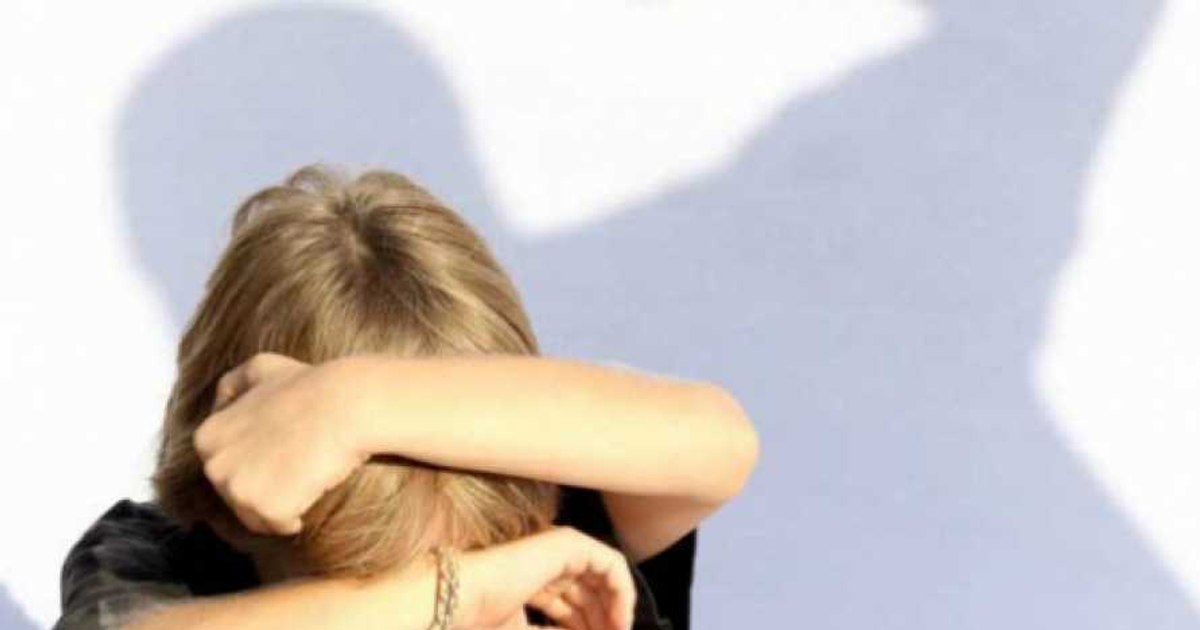
Last year alone, according to the statistical data of the National Authority for the Protection of Children's Rights and Adoption, almost 18,000 cases of child abuse were officially registered. Unofficially, the number of cases of children subjected to domestic violence is much higher. According to statistics, half of children say that their parents use corporal punishment.
Almost 18,000 cases of abuse of minors were registered in Romania Photo: Archive
Of these, nearly 2,000 were physical abuses, 2,240 were emotional abuses and 1,504 were sexual abuses. The most cases brought to the attention of the authorities were those of abuse through neglect – 11,605. There were also extremely serious cases of labor exploitation – 210, exploitation for committing crimes – 113 and sexual exploitation – 43.
At the same time, in 2023, 766 cases of domestic violence against children were registered, an increase compared to the previous year (676), of which 10 were cases classified as murder, according to the Public Ministry.
The organization Salvați Copiii Romania draws attention to the long-term effects of raising a child in an environment marked by domestic violence, from emotional to physical health problems.
It increases the risk of abuse in families with addictions
Iuliana Dimulescu, psychologist, claims that violence against minors manifests itself mainly in families where the parents have certain addictions: “If the parents are in a conflicted relationship or are high on alcohol or other substances, child abuse can be clear and obvious. Families in situations of major shortages force their children to get or procure money or goods for them, regardless of the method of procurement, precisely for their peace of mind or to satisfy their vices or addiction”.
Emotional abuse has more serious consequences
It states that emotional abuse can have much more serious and long-term consequences: “In addition to the fact that child abuse can in most cases be physical, emotional abuse leads to trauma for the child and the future adult, who in turn can become an abuser.”
Iuliana Dimulescu points out, however, that there are also children who end up abusing the child's phone and making unjustified reports: “It is known that from the year 2022 the unique telephone number, 119, was introduced in case of need for abused or at risk children. In particular, parents may exaggerate in having far too high demands on their children, and they, out of overzealousness, call the emergency number exaggeratedly“.
She added that situations of child abuse can occur in different family environments: “There is no rule of child abuse regarding the intellectual level of the families they come from, intellectual or less, nor those from the city or the country. There are such situations in any of the given situations”.
How do we recognize an abused child?
Children who live in an environment where family violence has become a way of life risk being psychologically traumatized. In addition, domestic violence predisposes to an environment in which the child's right to protection, safety and care is frequently violated.
Whether they are victims of domestic violence or just witnesses, the consequences leave their mark on both childhood and adult life.
Children who grow up in violent families develop behaviors and a physical condition that makes them easily recognizable. They present:
– physical problems, unexplained illnesses, exposure to accidents at home and outside the home, slower physical development;
– emotional and mental problems: anxiety, depression, feeling of guilt, fear of abandonment, isolation, anger, fear of injury and death;
– psychological problems: self-doubt, negative self-esteem, learning disorders, attention deficit, motivational imbalances, etc.;
– behavioral problems: aggression or passivity to the aggressions of others, sleep problems, bedwetting, beatings, running away from home, teenage pregnancy, relationships to escape from home, self-mutilation, drug and alcohol use, defensive behavior such as lie;
– school problems – risk of dropping out of school, sudden drops in school performance, lack of concentration, lack of compliance with social rules;
– identification with negative heroes.
A thing that has not been taken into account so far is the fact that the phenomenon of suicide and suicide attempts has increased among young people, and that the damaged family climate and poor communication within the family are the main causes, draw the attention of experts.
What the studies say
According to Save the Children, witnessing domestic violence teaches a child that violence between family members is an appropriate or normal pattern of behavior. Many boys who grow up in families where the husband physically and emotionally abuses the wife become the abuser themselves. The organization also shows that those children who grow up in violent family environments go through traumatic experiences and, as such, are exposed to the risk of developing severe emotional and behavioral disorders: anxiety, depression, post-traumatic stress, aggressive behavior, develop bullying behaviors in the school environment, increased risk of victimization. “Children who try to protect their parent who is the victim of abuse are at increased risk of being abused themselves. Children exposed to domestic violence have an increased risk of developing conduct disorder in adolescence and have a low level of confidence in their own anger management skills, self-control and protective behavior in couple relationships“, the organization also says.
