
Fewer and fewer patients have access to medicines, which are increasingly expensive, warns the executive director of the Patronat of Industrial Manufacturers of Medicines. For their part, the representatives of the patients say that the prices of medicines have increased because the patients who had to be treated in hospitals had to buy their own pills from the pharmacies, because the medical facilities ran out of money and could no longer afford to purchase medicines.
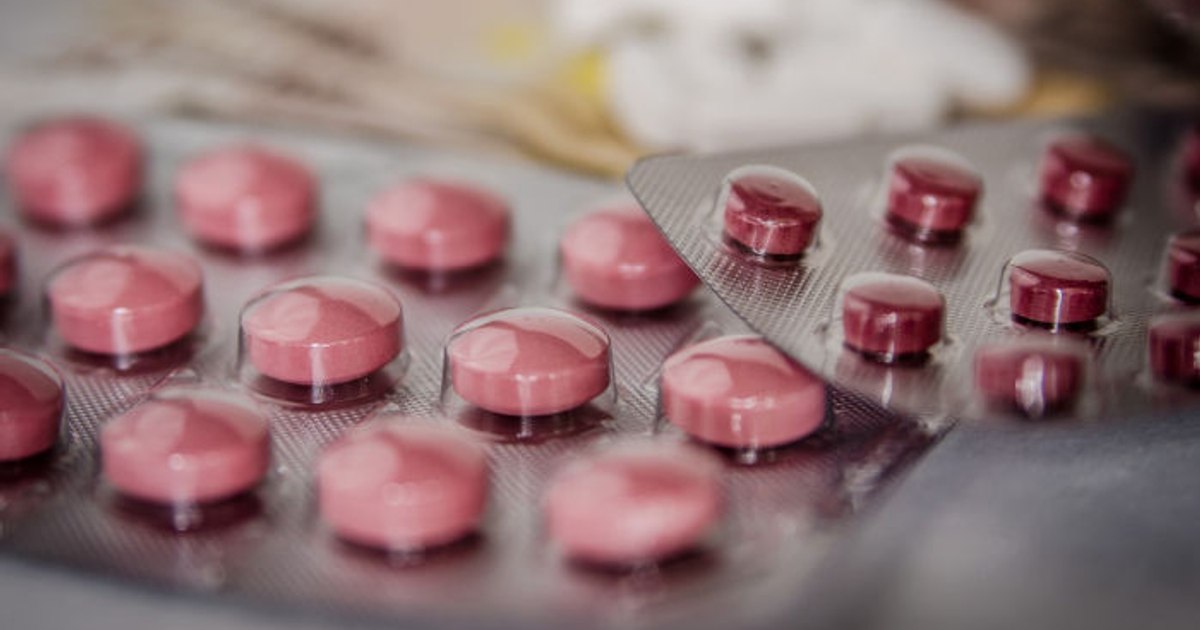
Medicines, more and more expensive – Photo Archive
The total value of drugs in the pharmaceutical market in Romania, issued to patients and hospitals, increased in the first quarter of 2024, but their volume decreased. Practically, the treatments are more and more expensive, and patients face challenges to secure their medicines, warns Dr. Dragoș Damian, the executive director of the Patronatul Producătorilor Industriali de Medicamente din Romania (PRIMER), quoted by 360medical.
“Cegedim data demonstrate that, in Q1 2024, the unsustainable evolution of drug consumption from previous years is accentuated. An increase of almost 15% in value and a decrease of 3% in volumes are proof that fewer and fewer patients have access to medicines, which are more and more expensive”Dragoș Damian transmitted.
Moreover, the director of PRIMER points out that the funding situation will worsen during 2024, as additions for expensive medicines have increased and 28 new molecules have been introduced to the list of compensated and free medicines.
“We consume around 80% generics (which are cheaper) and only 20% we use originals, as directed by the doctor. The drug market grew because drugs became more expensive, but also because patients went and bought drugs at retail because hospitals did not have drugs. It is a double taxation of patients, due to the lack of medicines in hospitals, who did not have money for medicines“, explained Cezar Irimia, president of the Federation of Associations of Cancer Patients.
Lack of medicines on the market
At the same time, more and more cheap drugs are gradually disappearing from pharmacies, especially affecting people with chronic diseases.
“The cost of production has increased, which can be seen in the prices of utilities, light, gas, plus the price of raw materials, which come from the Asian area. It is clear that these increases are reflected in the final price. Things are two-edged: the price of the compensated products is a minimum price imposed by the price policy, and as a result, this price ends up being lower than the production cost, so that certain medicines leave the Romanian market. The second effect is related to the increase in the price of OTC drugs, which are not reimbursed, and here the prices have exploded“, says Radu Gănescu, president of the Coalition of Organizations of Patients with Chronic Diseases in Romania (COPAC).
“These are major issues that patients face. They do not buy their medicines from pharmacies at the negotiated price, as in the contract with CNAS, but at the list price, then the patient buys even more expensively. It's double taxation, you take his insurance out of his salary and then make him buy his treatment as well“, mentioned Cezar Irimia.
What to do
The director of PRIMER also brings into discussion the measures related to attracting industrial investments in the local production of medicines, through state aid. “It makes much more sense to give 100% state aid for the construction of value-added factories such as parenteral antibiotics, injectables for ATI, chemotherapy, immunoglobulins, hormones, etc., than to give 40% state aid for the production of the same oral products solids or ointments, which do not bring more added value or, worse, for the production of food supplements or just for packaging“, says Dragoș Damian.
Similarly, Radu Gănescu claims that “we should think very carefully about opening some local drug factories“.
The President of COPAC cites the time when borders were closed due to the COVID-19 pandemic, when each state tried to secure its necessary medicines and treatments, “then it was seen what a crisis there was in Romanian hospitals and in the market, and certain categories of patients suffered because they could not find their treatments“.
“Automatically, having your own, internal production, factories to produce medicines, you can ensure an internal stock, so that you no longer depend on other companies. This investment would pay off over time and production costs would be lower. Medicine is about national security, if you don't have a healthy population that you can treat in special cases, like the pandemic, things can get very, very ugly”stated Radu Gănescu for “the truth”.
For unreimbursed drugs, the only thing that can change the price is “trade, buyer and supply competition“, says the COPAC representative.
“For the others, the price depends on a very old policy that should be changed, in order to have a balance between a fair price paid by the Romanian state from contributions and access to medicines, so that the products remain on the market, reach the patients Romanians, not to be withdrawn. And the state should be able to provide the necessary amount of medicines for patients“, adds Radu Gănescu.
On the other hand, Cezar Irimia is more blunt and says that it should “changed the minister and made serious health policies, let's not pull the trigger and do proton therapy, in the hospital where the patients' treatments were postponed for 3 months“.
Recently, the Government approved a state aid scheme of over 500 million euros to support the local production of medicines in Romania. The funds can be used for investment in production lines or testing laboratories.
