
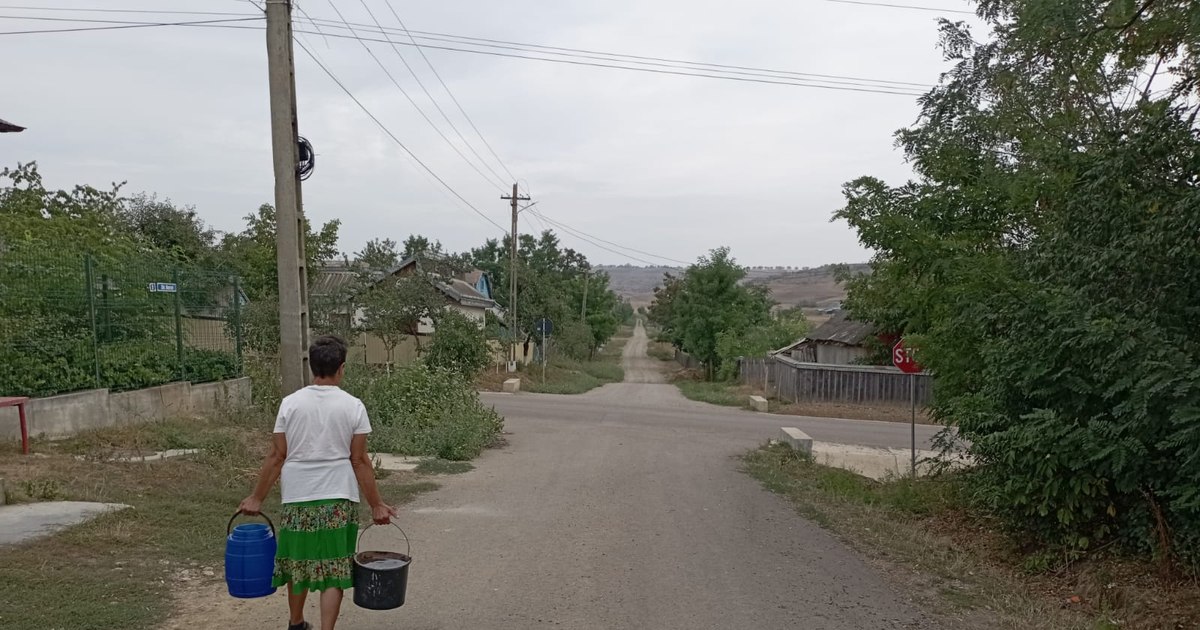
Many Romanians from the countryside have never set foot in an analysis laboratory, even more so not for various preventive consultations or screenings. Most rely on divine power and end up in the hospital only when the pain is unbearable. Under these conditions, Romania is committed to prevention.
Many villagers have never had their tests done PHOTO Cosmin Zamfirache
Romania is at the forefront of the European Union in prevention in the health field. More precisely, according to a study carried out in 2022, more than 605 of the Romanians do not have their regular medical check-ups, i.e. annual tests, screenings or simply routine consultations. Another statistic, from the year 2023, part of the Stada report on the state of health of the population, indicates an even crueler reality. According to the data, only one Romanian out of three has preventive medical check-ups. According to this study, Romania ranks last, along with Serbia and Poland, in terms of medical prevention. The worst situation is in rural areas. In the villages, many Romanians have never had their tests done. Most of them go to the doctor only when they actually fall off their feet. The lack of medical prevention has serious implications for society but also for the health system.
“What do I go to if it doesn’t hurt?”
Botoșani County is a heavily ruralized area, with serious problems regarding the provision of medical services in the countryside. In a sea of municipalities, there are only two external wards of the “Mavromati” County Hospital, in Darabani and Săveni. Both hospitals have big staffing problems, and most of the cases that reach Săveni and Darabani are immediately redirected to Botoșani, that is, 40 and 70 kilometers away, respectively. There are also communes that do not have a family doctor. In these conditions, health education is almost unknown, especially in the areas furthest from urban centers. Most of the villagers have never even heard of medical prevention. I don’t know that they are entitled to free tests and what are the benefits of regular medical consultations and check-ups. Many have never had medical tests.
“I have never done analysis. What should I do? What should I do if it doesn’t hurt? So crazy?“, says an approximately 70-year-old villager from Burlești village, Unțeni commune. A neighbor who came to fill the buckets with water at a nearby well is of the same opinion. “I didn’t do analysis. I never did. I’m not going because I’m afraid. And besides, what does it help me if I’m not sick? To hit the road like this for nothing?“, says the woman. He hardly remembers that a medical caravan would have given him a tuberculosis test. “That’s it!” says the woman.
Nea’ Manole retired to the country, after a life spent in the city. He confesses that most of the villagers have not heard of prevention and obviously do not practice it. “Sir, I rarely went to the doctor myself, and that being said, I stayed in the city all my life. Here, in the country, they don’t go looking for themselves at all. And when he is in pain, he postpones it, he can pass. And no one tried to teach them, to explain to them why it is good to do some more analysis”says the man from Botošan.
Besides, the villagers say, prayers are the universal remedy. They feel safe from all health problems. Besides, even when the pains give them a whirl, hope is always in God, first and foremost. “Without God nothing is possible. If you pray, take care of your fasts, your behavior, take care, Lord God, and protect yourself from diseases“, adds a villager from Burlesti.
To the hospital only when they end up falling off their feet
In general, people from rural areas go to the doctor only when they can’t stand the pain anymore. Or actually if they end up falling off their feet. Minor symptoms or bearable pains they endure with stoicism. I met Aunt Elena at the Burlesti bus station. She testifies that in the village people hardly ask for the doctor’s help. “They only go if they are really, really sick. Or it hurts a lot. Try these babies first. Some more teas, some mutton tallow for the lungs, onion tea for the cough, another boiled brandy. When neither tea nor brandy works, they endure for a while and go. Only then“, says the villager. Most people from the countryside reach the hospital by ambulance, through the Emergency service of the “Mavromati” County Hospital.
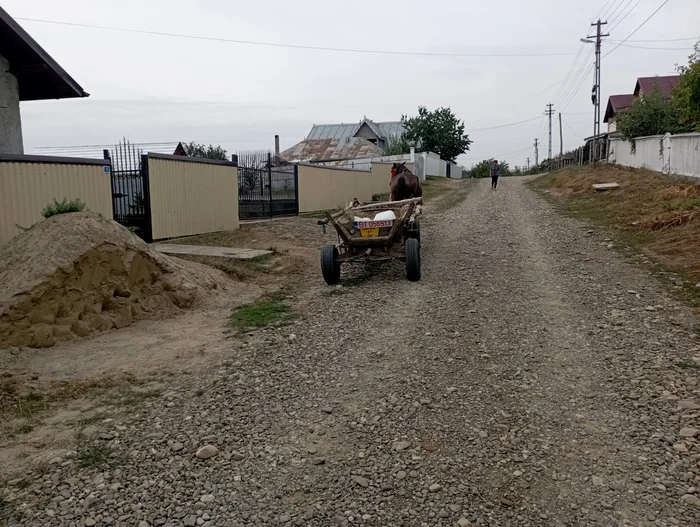
Villagers go to the hospital only when they can’t take the pain anymore PHOTO Cosmin Zamfirache
The fault is not essentially that of the villagers. Medical services hardly cover the needs of the rural population. In addition, poverty makes them give up when it comes to roads to the city for investigations. In order for an old man from the country to have specialist consultations, he has to travel 40 kilometers, 80 round trips. As many do not have personal cars, a lot depends on bus rides, which are infrequent and often at hours completely out of sync with the doctor’s schedule. If, however, they are helped by their younger neighbors to reach the city, they must make an appointment at the Outpatient Clinic. They wait days, weeks or even months. Then, after the consultation, he must take out his prescription. In some cases, they still have to pay out of pocket for medication. At a set of preventive analyses, the same epic. That’s why most people let themselves be harmed. In addition, they did not have a health education from the state to fully understand the importance of prevention.
Lack of sanitary prevention, deadly for the population, a burden for the system
The consequences of the lack of sanitary prevention are serious. First of all for the population. Without annual analyses, periodic checks, people do not know what their health status is, what to avoid and, above all, when to start treating or preventing. This is how they end up with serious chronic diseases, some fatal, in the last stage, although the disease could be prevented or treated in the early stages. “Unfortunately in Romania, prevention and these periodic analyzes are not done by everyone. It is advisable to do an annual blood pressure check, blood sugar check, a homoleukogram which, through the elements it contains, can detect many inflammatory diseases very early, for example, which untreated in the early stages reach incurable stages. There are some basic analysis packages that are free, indicative and which, done periodically, help us to make our lives beautiful, long and prosperous”says Irina Alecu, an epidemiologist at DSP Botoșani.
In addition, the treatment of some conditions detected in the early phase is effective and little expensive for the medical system. Obviously, compared to the costs involved in diseases out of control with long hospitalizations and very expensive treatments.
