
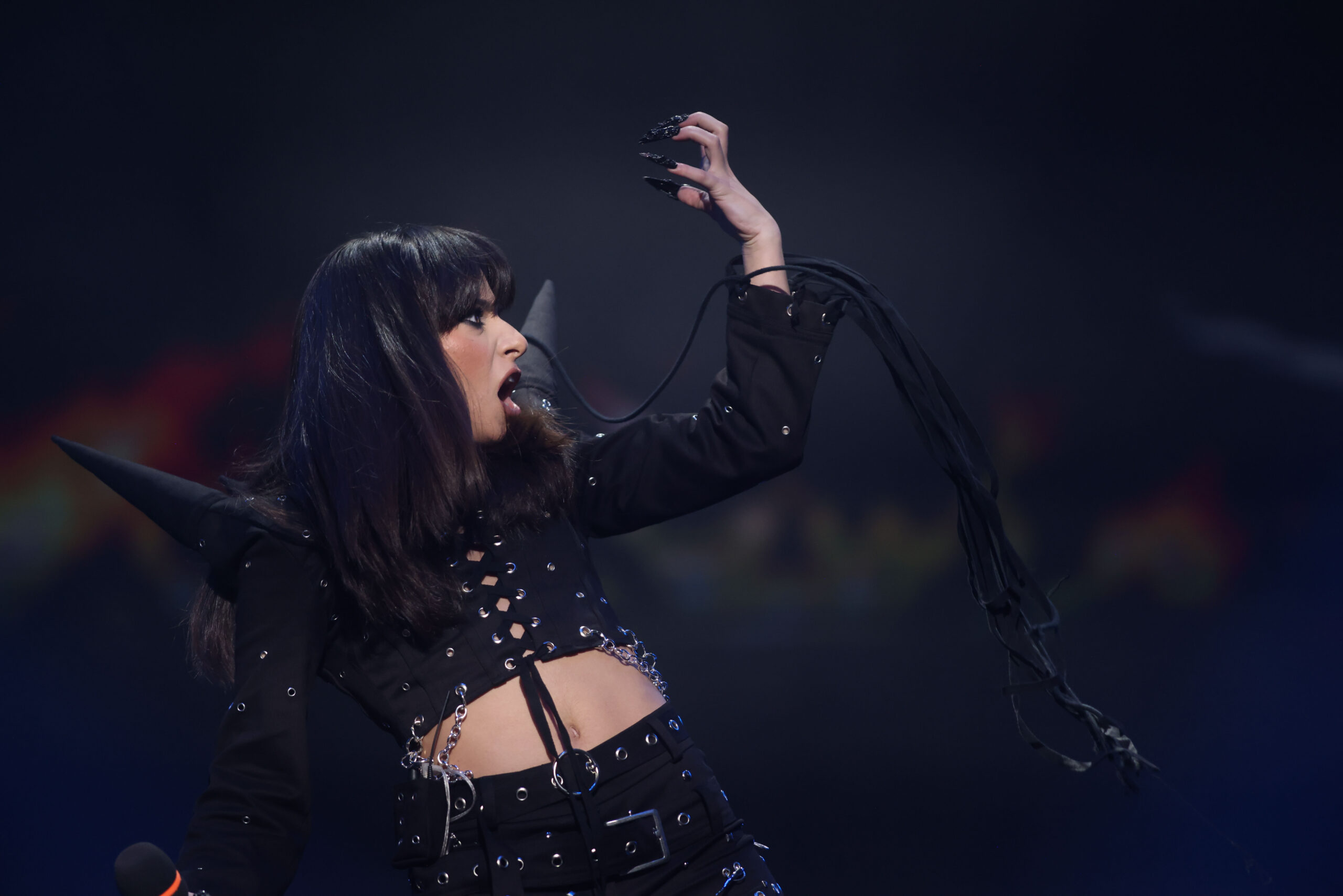
Romania’s song at Eurovision, Choke Me, was labeled as straight “dangerous” and “irresponsible” because it seems to glorify sexual strangulation, an unsafe practice that can cause brain damage or even death, writes The Guardian.
Activists against sexual violence stated that the play, in which the expression “choke me” (“strangle me”) is repeated 30 times during the three minutes, “playing with young women’s lives”. The song, signed by the former winner of the Vocea României show, also contains lyrics such as “It’s hard to breathe”, “I want you to hold me” and “make my lungs explode”British journalists note.
Clare McGlynn, Professor of Law at Durham University and author of the book Exposed: The Rise of Extreme Porn and How We Fight Backstated that the repetitive sexualized message ‘choke me’ ‘shows an alarming disregard for the health and well-being of young women’.
“The song – its choice by Romania/Eurovision and its promotion by these organizations – represents an irresponsible normalization of a dangerous practice”she said. “They are messing with young women’s lives. Recent medical evidence shows that frequent sexual strangulation can cause brain damage.”
The viewers demand the disqualification of the song
There was also a wave of negative reactions to the song on the internet, with many Eurovision fans calling for it to be disqualified or the lyrics changed.
In the past, the contest organizers intervened in similar situations. Last year, a complaint lodged by the BBC with the European Broadcasting Union (EBU), the organizer of Eurovision, resulted in the title and lyrics of Malta’s song being changed, which contained a pun between “kant” (which means “sing” in Maltese) and the English word “count”.
According to the British media, the BBC did not file a complaint regarding Romania’s song this year, and the video of the song is available on the EBU website.
Alexandra Căpitănescu’s reaction
In defense of the song, Alexandra Căpitănescu said that the images in the lyrics are metaphors for the feeling of being overwhelmed by strong emotions and self-doubt.
However, a Norwegian content creator analyzing the Eurovision contest on YouTube, known as ESC Norway and a psychologist by profession, claims that the song uses the theme of sexual strangulation to deliberately cause controversy.
“They know what they’re doing and they’re using a topic that’s now popular and normalized through porn culture, which is extremely dangerous. They know it’s a trend and it’s terrifying what’s happening.”she declared.
Alarming studies
Research published last year shows that more than half of people under 35 have experienced strangulation during sex, and nearly a third mistakenly believe there are safe ways to do it.
Several studies have identified changes in the brains of women who were repeatedly strangled during sex, including markers associated with brain damage and disturbances in the functioning of the cerebral hemispheres, associated with depression and anxiety.
Nearly half said they experienced anxiety during or after strangulation, and even a brief moment of strangulation can lead to long-term health problems.
McGlynn added: “This shows the desperate need for education and awareness about the harmful effects on women. But what really bothers me is that many young women don’t want to engage in strangulation/squeezing, but the normalization of it makes them feel they have to, despite their gut instinct that it’s not right, and for some, despite knowing the harmful effects.
Promotion in this way makes it even harder for them to resist. And not resisting puts their health and life at risk. Why do we seem to care so little about the health and well-being of young women?” she added.
