
A disease that, untreated in time and correct, can have fatal consequences, can be prevented by vaccination. For children the vaccine is insured for free in the national scheme, but adults should repeat vaccination every 10 years. Passing through the disease does not ensure immunity.
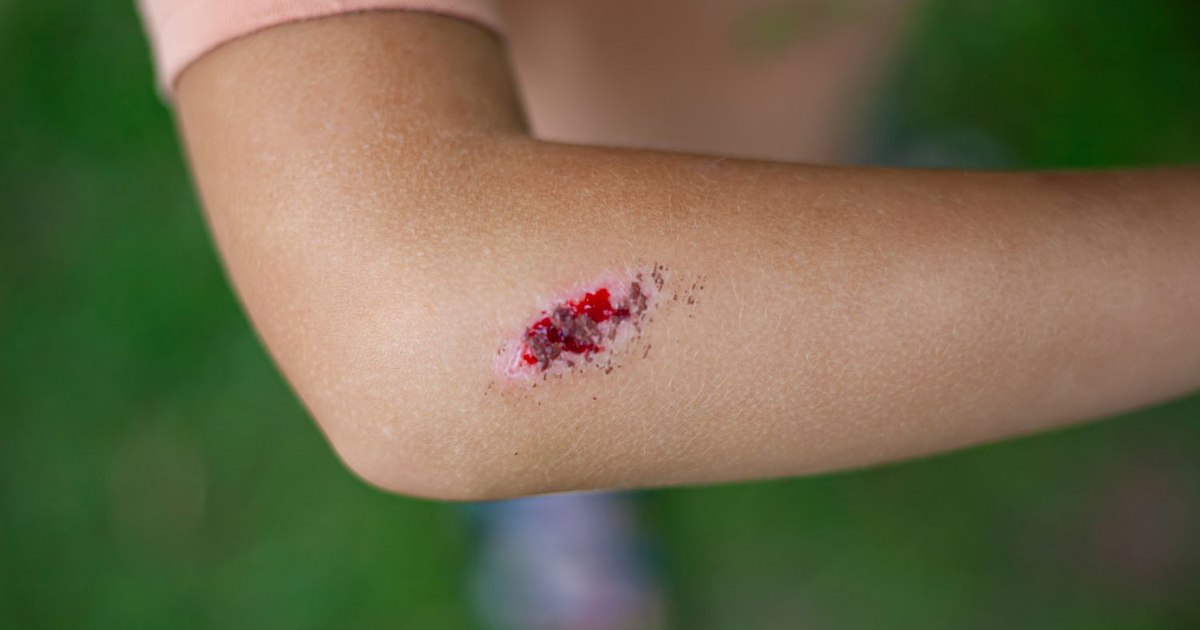
Wounds cannot be considered trivial when there is a risk of photo spores. Shutterstock
Tetanos is a very serious acute infectious disease. It appears relatively rare, and in the case of a potential infections there are therapeutic solutions if it intervenes in time and correct. Otherwise, the mortality rate is high. This year, by the end of July, three cases of tetanus were reported (one in the age category 1-4 years and two in the age category 10-14 years) and, fortunately, no death. In the last 10 years, in Romania there have been 64 cases of tetanus, of which 12 were registered only last year. Three people diagnosed with tetanus during this time died, show the data of the National Institute of Public Health.
Where does the danger come from
“Tetanus is a severe condition, with potential risk death, caused by the bacteria Clostridium Tetani. This bacterium is usually found in the soil, which means that unvaccinated persons who carry out outdoor activities, such as agricultural work or gardening, present an increased risk of exposure. The bacteria enters the body through skin lesions and produces a neurotoxin responsible for characteristic manifestations, such as painful muscle contractions and cramps ”, Inspit, in an information material posted on your own site.
The risk of contamination with Clostridium Tetani is high in case of: deep wounds, with irregular edges; wounds or bites bite; chronic infected chronic ulcers; open fractures; Grade II and III burns; wounds containing foreign bodies or has devitalized tissues.
This risk can be canceled by vaccination, the only method that ensures immunity, but not for life, so in the case of adults it is recommended every 10 years.
The national vaccination calendar provides for the vaccination of children at 2 months, 4 months, 11 months, 5-6 years and 14 years respectively, while for adults it is recommended to administer a dose of rape every 10 years. The vaccine is available in 100%compensation mode, informs insp.
What do you do if you are unvaccinated
If, on the other hand, you have not been vaccinated and you are facing a potential tetanigen lesion, the immediate gesture you need to do is clean the wound with soap and water, then seek medical help.
You must know that tetanus is not transmitted from one person to another. Also important to know is that many cases of tetanus reported are associated with birth in newborns and insufficiently vaccinated mothers, according to the World Health Organization. In 2018, about 25,000 newborns died from neonatal tetanus, a 97% reduction compared to 1988, largely due to the intensification of immunization, the source quoted shows.
The spores of Clostridium Tetani bacteria are found everywhere in the environment, especially in the soil, ash, intestinal tract/feces of animals and humans, as well as on the surfaces of the skin and rusty tools, such as nails, needles, barbed wire, etc. Being very resistant to heat and most antiseptics, spores can survive for years.
“Anyone can get sick of tetanus, but the disease is particularly common and serious in newborns and pregnant women who have not been sufficiently immunized with vaccines containing tetanic anatoxin. Tetanos during pregnancy or in the first 6 weeks after the end of pregnancy is called maternal tetanus, and tetanus in the first 28 days of life is called neonatal tetanus ”, It is shown on the WHO website.
The risk is high in countries with small vaccination rates and in which women are not provided with adequate birth conditions (no tools are used to cut the umbilical cord or to use contaminated material to cover the umbilical bont, etc.).
When the symptoms appear
The incubation period of tetanus varies between 3 and 21 days after the infection. Most cases occur within 14 days. The later the incubation it appears, the lower the risk.
Here are the symptoms that may occur in case of tetanus: cramps at the jaw or inability to open the mouth; Muscle spasms often in the back, abdomen and extremities; Painful muscle spasms, often triggered by sudden noises; problems with swallowing; seizures; headache; fever and sweating; changes in blood pressure or accelerating heart rate. In newborns, the symptoms include muscle spasms, which are often preceded by the inability of the newborn to suck and to cry over.
Tetanos does not require compliance in the laboratory, and can be diagnosed based on clinical signs.
It should be noted that tetanus is a medical emergency. It requires hospital care, immediate treatment with a drug called human immunoglobulin (TIG), aggressive wound care, muscle spasms, antibiotic, antitethane vaccination.
People who heal after tetanus do not have natural immunity and can be infected again, therefore they must be immunized, according to public health specialists.
Globally, mortality is 10-20% in countries with access to intensive care and over 50% in areas without quick access to treatment. Without proper medical care, mortality can reach 70-100% in newborns.
The recovery after the disease is slow, occurs in weeks and even months, and the treatment of acute disease is done in intensive care.
