
Health authorities are on high alert after a 14-year-old boy died of the Nipah virus, an extremely dangerous viral disease for which there is no vaccine or cure.
PHOTO Archive
It all happened in the southern Indian state of Kerala.
Kerala Health Minister Veena George confirmed that the boy died of cardiac arrest on Sunday and that preventive measures are being implemented. The local government has issued orders for the formation of 25 committees to identify and isolate infected people in order to limit the impact of the virus.
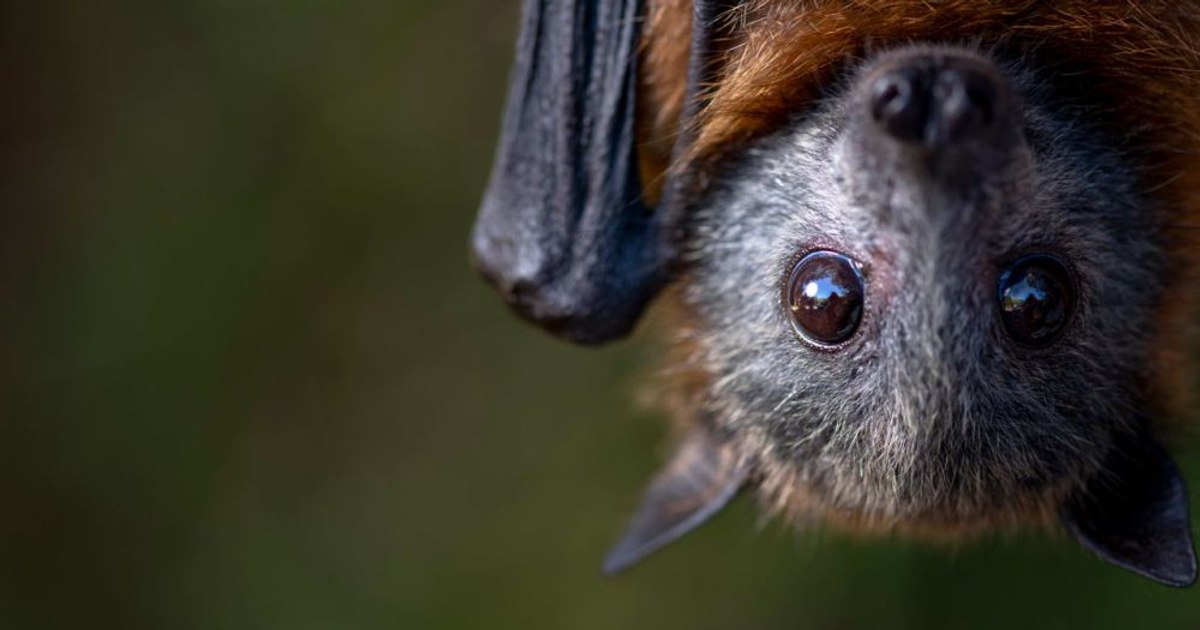
Nipah virus, which originates mainly from the bat, has been classified by the World Health Organization (WHO) as a priority pathogen due to its devastating potential to trigger epidemics. This disease is known for its ability to cause deadly fever and severe inflammation of the brain. Currently, there is no vaccine or effective treatment for Nipah infection.
Dr Anoop Kumar, director of Aster MIMS Hospital in Calicut, confirmed that a positive case of Nipah has been detected in the school boy and investigations are on to identify the people who came in contact with him. According to him, there is a “minimal chance” of a widespread outbreak at the moment, but the situation remains under close observation for the coming weeks.
Currently, 214 people who had direct contact with the boy are being monitored, of which 60 are considered to be in the high-risk category. Isolation wards were set up in hospitals to treat possible patients, and the patient’s family members were admitted for observation. Other people at risk have been advised to isolate themselves at home until the situation is clarified.
Kerala is at the center of a recurring health crisis, with the Nipah virus having a history of outbreaks in the state since 2018, which have killed dozens of people. First identified 25 years ago in Malaysia, Nipah has been implicated in outbreaks in Bangladesh, India and Singapore, demonstrating the potential for significant global spread.
In the face of this threat, Kerala authorities are committed to coordinating efforts to contain the spread of the virus, working to quickly identify and isolate cases to prevent a major outbreak.
Initial symptoms of Nipah virus may include:
– Fever
– Headaches
– Breathing difficulties
– Cough and sore throat
– Diarrhea
– Vomiting
– Muscle pain and severe weakness.
Symptoms usually begin four to 14 days after exposure to the virus. It is common for fever or headache to be the first symptoms, followed later by respiratory problems such as cough and shortness of breath.
In severe cases, the person may develop an infection of the brain (encephalitis), which is potentially fatal. Other severe symptoms include:
– Confusion and disorientation
– Slurred speech
– Seizures
– Coma
– Breathing difficulties
What effects does Nipah virus have on humans
Nipah virus can be deadly to humans. According to the US Centers for Disease Control and Prevention (CDC), death can occur in 40% to 75% of cases, depending on how well health authorities manage the outbreak.
