
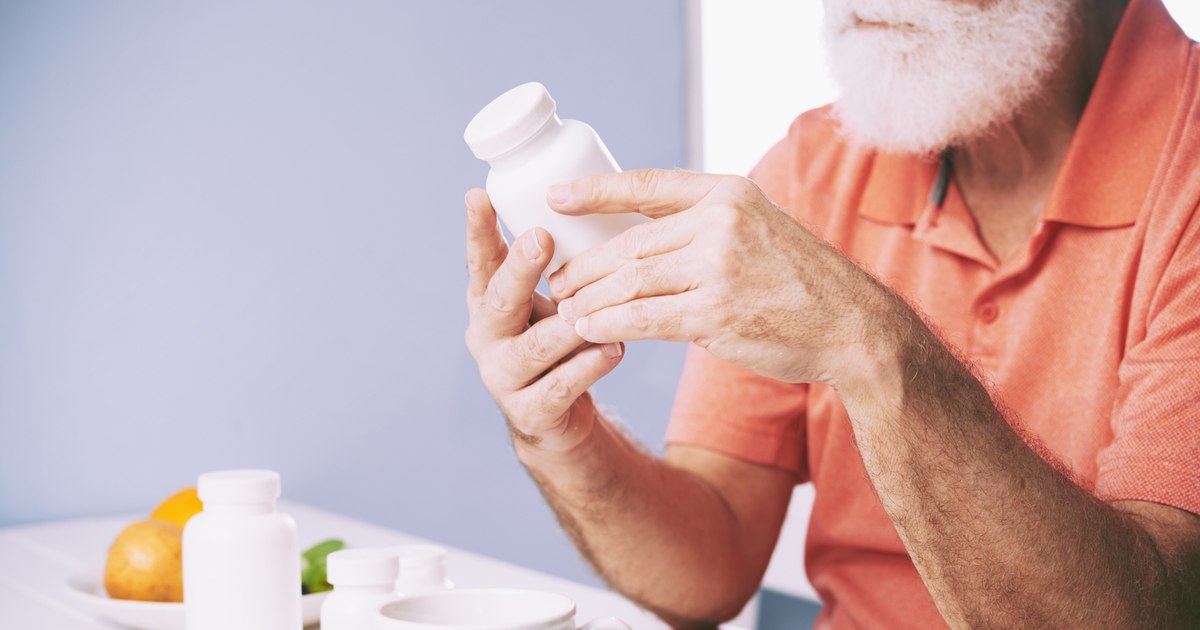
A recently published medical study in the United States of America shows that taking Vitamin D and calcium supplements does not prevent fractures in the elderly. Instead, such problems can be lessened by following some simple tips.
Nutritional supplements are only useful under certain conditions. Photo: Freepik.com
A project by the US Preventive Services Task Force (USPSTF) shows that taking vitamin D and calcium does not reduce the risk of fractures in the elderly, reports Health.com, which provides accurate and verified health information.
These supplements offer health benefits, but they shouldn’t be the only precautions seniors can take to prevent locomotion problems. Arranging living space, sleep and physical activity are among the tips offered by experts to those who want to avoid fractures and falls.
The elderly, at risk of falling
“Vitamin D, with or without calcium, does not reduce the risk of falls or fractures in older adults, according to a new draft recommendation issued last week by the US Preventive Services Task Force,” informs Health.com.
At least one in four US seniors falls each year, which can lead to broken bones and other injuries. Vitamin D and calcium are sometimes taken together because the body needs vitamin D to absorb calcium, which is essential for bone health.
“Often patients have read or heard from someone that they should take them for a variety of reasons, and so they do,” Dr. Barbara Bawer of Ohio State University Medical Center told Health.com.
While the report concluded that vitamin D does not reduce the risk of fractures or falls in older adults, it does not say that people should give up vitamin D or calcium or that they have no benefit. The national expert panel’s recommendation does not apply nor to people with osteoporosis, vitamin D deficiency or those taking vitamin D for other medical reasons.
The USPSTF conducted a systematic review of research on the role of calcium, vitamin D, and falls in older adults and concluded with “moderate certainty” that vitamin D supplementation showed no benefit in preventing falls and fractures in older adults.
Experts have also found that vitamin D supplementation, with or without calcium, can increase the risk of kidney stones. As a result, the group does not recommend that men and women over the age of 60 take vitamin D supplements, with or without calcium, to prevent fractures and falls.
There are several reasons why the risk of falls and fractures increases as people age, says the health publication. Bone quality declines with age, mobility can be more difficult, and vision is usually worse as people age.
Some medications can also cause dizziness and loss of balance, and older people tend to take more medications to manage health conditions than younger adults, says Dr. John Fudyma, quoted by Health.com.
According to him, a vitamin D deficiency can also make them more prone to falls.
Supplements, beneficial for people with disabilities
Doctors say the findings don’t suggest that taking vitamin D and calcium has no value, just that they are unlikely to prevent older adults from having fractures and falls.
“Vitamin D and calcium are important for other functions in the body. But for the general population aged 60 and over, supplementation is not recommended to prevent fractures and falls”says doctor Fudyma.
In addition to strengthening bones, vitamin D and calcium are needed for muscle and brain function.
Doctors generally recommend that people get them through food rather than supplements, but supplements can also be an option for people who don’t get enough nutrients from food.
They are indicated for people with osteoporosis, a disease that develops when the mineral density and bone mass decrease, for those who have problems absorbing some nutrients, for those with diets low in calcium, for people who do not spend enough time outdoors, for people with hyperparathyroidism , inflammatory bowel disease or celiac disease.
“Early studies in patients who had vitamin D deficiency and low calcium intake show a beneficial effect of supplementation”says Sue Shapses, a vitamin D researcher and professor of nutritional sciences at Rutgers University.
Recommendations for preventing falls
Doctors cited by Health.com offer some recommendations to reduce the risk of fractures and falls with age.
Take routine walks. “I tell people to walk more. Not only does this help build muscle and bone strength, it can also help with balance“, says neurologist Clifford Segil.
Do strength training. Weight-lifting exercises can help increase bone strength, says Dr. Seal. “I would advise people to exercise with weights over taking a vitamin any day of the week,” he added.
Try balance exercises. “Doing balance exercises such as tai chi, Pilates and yoga can also help”says the doctor Barbara Bawer, quoted by the publication Health.
Increase your protein intake. From a dietary standpoint, eating protein can also help reduce the risk of fractures and falls, Shapses adds.
Stay on top of your eye health. Bawer suggests getting annual eye exams and wearing necessary vision aids, such as glasses and contact lenses.
Get plenty of sleep. “Get enough sleep because as people are more tired, their risk of falls increases and therefore of fractures”says doctor Barbara Bawer.
Tidy up the house. “Environmental clutter to reduce travel hazards is also crucial”says doctor Fudyma.
Unfortunately, reducing the risk of fractures and falls in older adults is not as simple as taking a supplement.
“For most people with adequate levels of vitamin D and calcium, supplements do not help prevent falls or fractures. Supplements are only useful if you are deficient,” concludes doctor Sue Shapses.
