
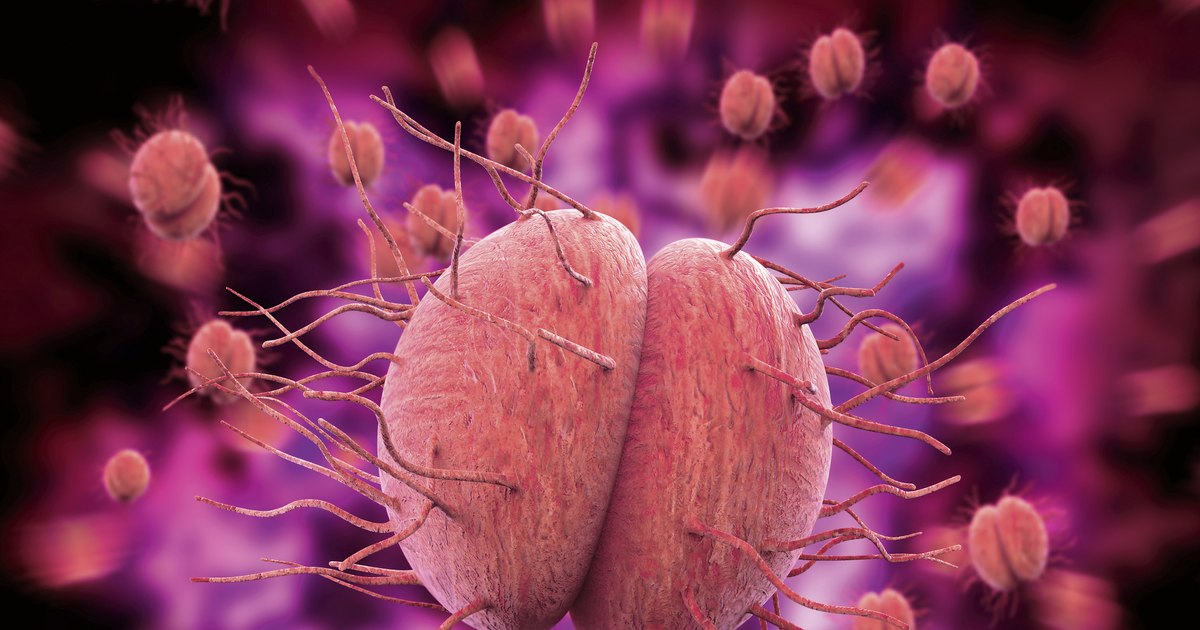
Gonorrhea, one of the most common sexually transmitted infections worldwide, is a growing threat to public health. The bacteria responsible for this disease are becoming increasingly resistant to antibiotics, increasing the risk of an incurable infection.
The bacterium that transmits Gonorrhea is becoming more and more resistant. PHOTO Archive
The World Health Organization (WHO) warned that more than 82 million cases of gonorrhea were reported globally in 2020. Left untreated, this infection can lead to serious complications such as pelvic inflammatory disease and infertility, according to The Guardian.
Of particular concern is the emergence of gonorrhea strains resistant to first-line antibiotics. In the UK, for example, cases of highly drug-resistant gonorrhea have been identified, meaning the infections can no longer be cured with currently available antibiotics.
The vast majority of cases can be treated, doctors explain. But recently there has been an increase in the number of people diagnosed with forms that are resistant to ceftriaxone, the “first-line” antibiotic usually used to treat the infection.
“Gonorrhea is becoming increasingly resistant to antibiotics, risking becoming untreatable in the future. Untreated gonorrhea can lead to serious health problems, including pelvic inflammatory disease and infertility. Condoms are your best defense, but if you haven’t used one with a new or casual partner recently, get tested to detect the infection and prevent passing it on”, explains Dr Helen Fifer, UKHSA microbiologist.
Most of the people affected were in their 20s, heterosexual and contracted the infection abroad, although some had no history of travel, according to the UK Health Safety Agency (UKHSA). The Public Health Agency has confirmed that there has been transmission of ceftriaxone-resistant gonorrhea in England.
Between June 2022 and May 2024, 15 cases of ceftriaxone-resistant gonorrhea were detected in England, according to the UKHSA. Five involved super-resistant forms, which health officials said led to “extremely drug-resistant” gonorrhea, meaning their infections were resistant to first- and second-line treatments and other antibiotics.
Because of the serious nature of the drug-resistant infections, some of the 15 had to be hospitalized and given a cocktail of powerful drugs to prevent gonorrhea from spreading to other parts of the body.
