

A blood test could help detect glioblastoma, one of the most aggressive forms of brain cancer, and monitor the progression of the disease. The discovery was made by a team of scientists from the University of Manchester and published in the journal Neuro-Oncology Advances. The method could provide a faster and less invasive alternative to currently used investigations.
What is glioblastoma
Glioblastoma is one of the most aggressive forms of brain cancer in adults, characterized by rapid progression and difficult treatment. Specialists emphasize that an early diagnosis can significantly influence the prognosis of patients, because tumors discovered in the early stages can be treated more effectively.
Currently, the diagnosis and monitoring of the disease is a complex process. Patients are evaluated by repeated imaging investigations, such as magnetic resonance imaging (MRI), and in many cases by invasive surgical biopsies.
How the blood test could change things
The new test proposed by the researchers could complement these investigations and support doctors in establishing the diagnosis and in following patients during treatment.
The study was carried out by an international team coordinated by specialists from the University of Manchester, Great Britain, in collaboration with researchers from Denmark and published in the medical journal Neuro-Oncology Advances.
How the test works
The test is based on the identification of two proteins in the blood that can act as markers of the presence of the tumor. Research has shown that this combination can identify glioblastoma with over 90% accuracy.
The researchers verified the method during the entire therapeutic course of patients with this condition: before and after surgical interventions, during radiotherapy and chemotherapy.
The level of the markers changed according to the response to treatment: they decreased during chemotherapy and increased when the disease recurred. This behavior suggests that the blood test could provide useful information about response to therapy.
Next steps
Although the results are promising, the researchers state that further clinical studies are needed to validate the method before its use in practice. Research is currently underway in several centers in the UK and internationally.
“There is still a long way to practical use, but it represents a very promising development in neuro-oncology research”said Prof. Petra Hamerlik, who led the medical research.
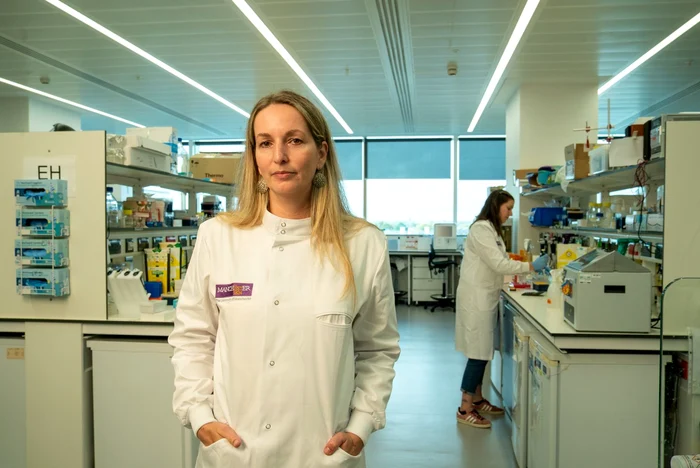
The scientists believe that in the future the test could become an important tool for diagnosis and monitoring, providing a simpler method of evaluating patients with brain tumors.
