
Although most people brush their teeth twice a day, many still experience sensitivity, receding gums or cavities. The seemingly simple daily act of brushing your teeth can be done incorrectly, with long-term negative effects.
The perception that clean teeth are achieved by intense brushing or excessive rinsing is still widespread, but experts warn that it is the technique that makes the difference.
“We believe cHigh pressure translates into cleaner teethi. In reality, force does not make the difference brushing,
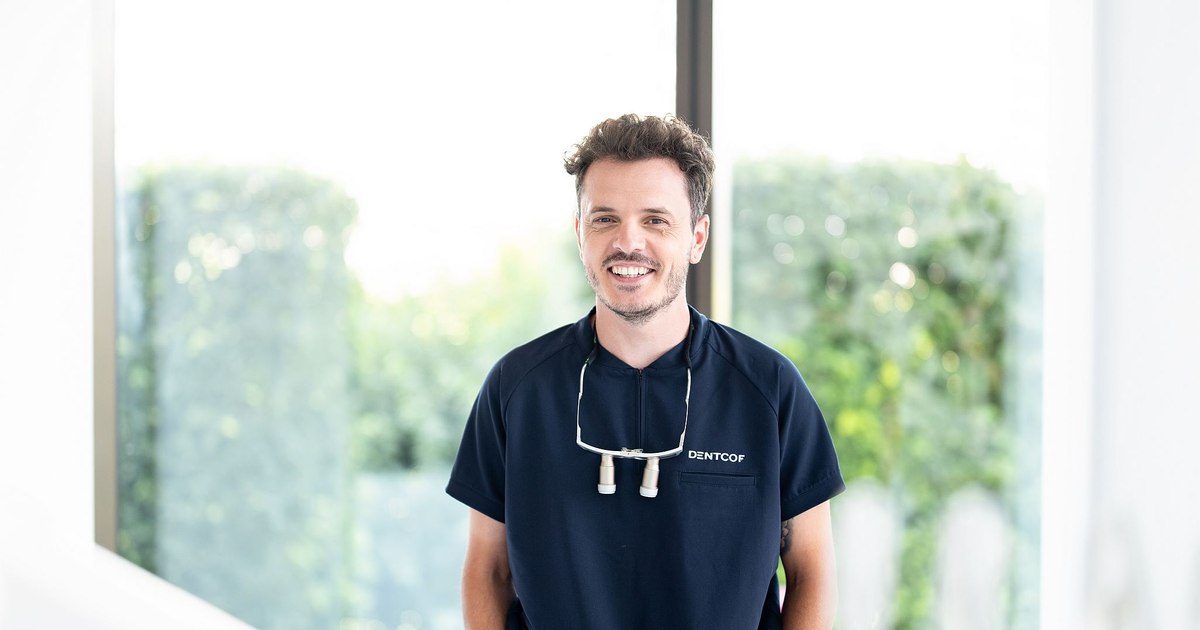
but the technique. Excessive pressure may cause retractionthe gums and tooth sensitivity.”, explains Dr. Alexandru Cîrstea, dentist at Dentcof Clinica in Timișoara, one of the first private dental clinics in Romania, established as a family business in 1991.
The correct order of the steps iin oral hygieneUm
Many patients consider brushing sufficient for optimal dental hygiene. However, bacterial plaque also accumulates in areas that are hard to reach for the brush, be it manual or electric. In this context, the order of the steps in the care routine becomes essential.
“There is a correct order to the steps. aţdentalmust be used first, ideally afterevery meal, to eliminate food waste. Brushing follows, and the mouthwash remainsno optionalrecommendedbeing one without alcohol, with chlorhexidine 0.12% and no more than three weeks“, emphasizes the doctor.
This sequence maximizes the effectiveness of the paste and brushing, preventing food debris from being pushed into the interdental spaces.
Brushing immediately after masă: a risk for enamel
Another common habit is brushing immediately after a meal. Depending on the foods eaten, tooth enamel can become temporarily more vulnerable, and brushing too soon can have long-term consequences.
“After eating acidic foods, it is recommended to it haswait 20–30 minutes. Saliva neutralizes acids etcand heartsÞPONDthe enamel remineralization process. Instead, after food blwhere, such as dairy products or eggs, brushing can be done immediately.“, explains Dr. Cîrstea.
Brushing your teeth is a process that, if done incorrectly, can lead to long-term dental and gum problems. The difference is not the amount of foam, nor the frequency of the movements, but the technique, the order of the steps and the moment of brushing.
Patients who want personalized assessments and recommendations for oral hygiene can consult Dr. Alexandru Cîrstea, a dentist with extensive experience in minimally invasive prosthetic restorations performed under a microscope, direct fillings and complex restorative treatments. With a pragmatic approach and attentive to the patient’s comfort, Dr. Cîrstea offers at Dentcof, Timișoara, solutions adapted to each case, both for prevention and for sustainable interventions.
