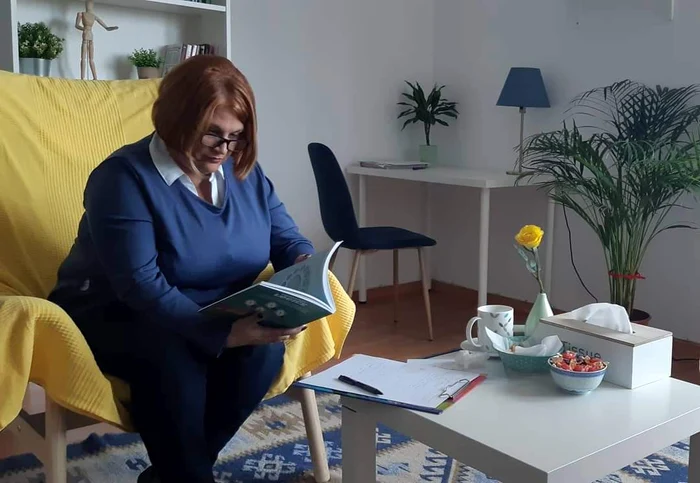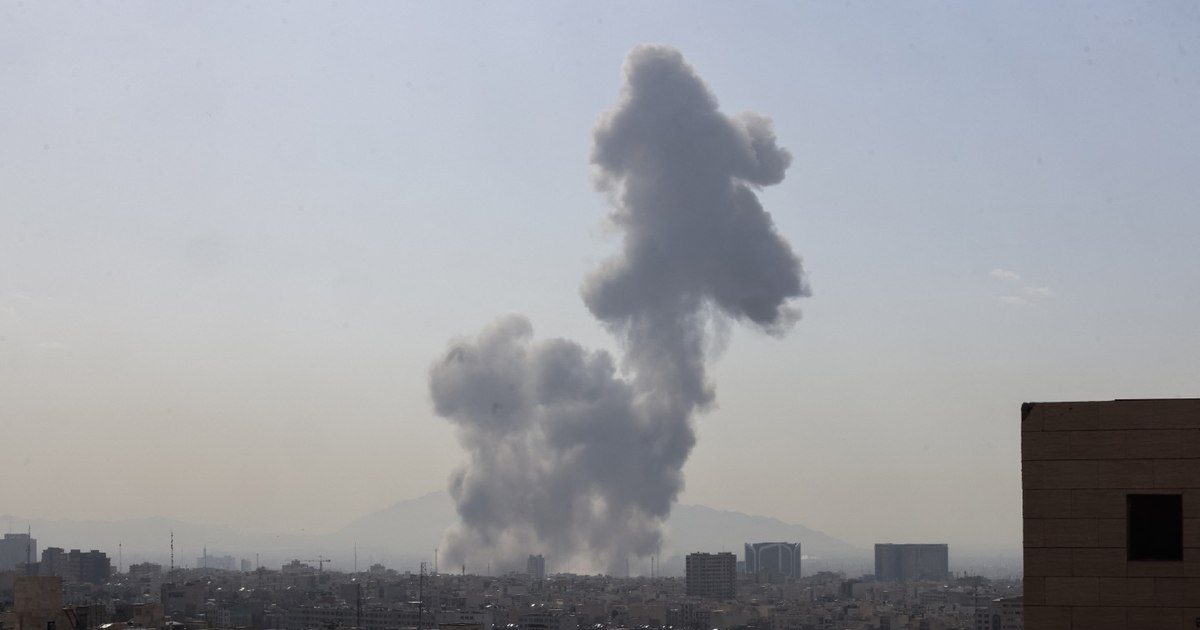
The attacks in the Middle East and the increasingly pressured speeches of international leaders have brought back into the public space a deep fear: the possibility of a conflict on a global scale. In a climate where images of bombings, destruction and frightened people circulate constantly, anxiety and fear become natural consequences. Psychotherapist Dorina Stamate explained to “Adevărul” how they are triggered and what we can do to reduce negative states and feelings.
“It’s perfectly normal to feel anxiety, helplessness and a constant state of alertness. The brain tries to protect us by scanning the environment for danger. When world leaders talk about conflicts, when bombs fall — even if not near you — the alert system (amygdala) goes off.” explains Dorina Stamate, psychotherapist.
Fear is not a sign of weakness, but a survival mechanism, she says. Even when we are physically safe. But what to do when the fear takes over us?
“Anchor yourself in the present. Ask yourself: <
The catastrophizing trap
When armed conflict breaks out, our minds tend to jump straight to the bleakest scenario: a world war. “This is a cognitive error called catastrophizing”explains Dorina Stamate.
“Try to separate political analysis from your personal safety. Your brain needs to hear that even though the situation is dire diplomatically, your daily life still has a solid foundation.”she advises us. In addition, it also draws attention to the impact that social recipes can have and how the sheer amount of information out there can inflame the mood:
“In times like this, we all become experts in military strategy on social media. We read hundreds of opinions and scripts, and it drains our mental resources. Accept the limits of your understanding. You are not responsible for finding solutions for the Middle East. If you feel like your head is exploding from so much information about missiles and drones, turn off the screen. The world will continue to exist even without your constant monitoring.”
Are we allowed to allow ourselves to enjoy ourselves?
There have been voices online claiming that posts about vacations, outings or moments of relaxation would be inappropriate in a tense context. But the therapist points out that continuing to live beautifully does not mean a lack of empathy.
“Enjoying a beautiful weekend doesn’t mean you don’t care about those who are suffering. If we deny ourselves any form of joy, we collapse emotionally and can no longer be of use to anyone.”
From a psychological perspective, moments of respiro are even essential for mental health.
“My perspective is to continue to live beautifully because life does not stand still, and our mental health depends on these moments of respite. If one feels offended by another’s happiness, it is most often a projection of one’s own suffering. My recommendation is to stay authentic. You can empathize with the victims of a conflict and enjoy a sunset on the same day. We need beauty so we don’t lose hope”recommends Dorina Stamate.
When safe places become symbols of uncertainty
The transformation of Dubai from a city of the future, seen by many as an ideal holiday destination, to a place where missile fragments and drones fall and people fear for their safety is another emotional challenge.
“This instability makes us feel that nowhere is safe anymore. We must distinguish between imaginary fear (what might happen) and immediate reality. Anxiety feeds on scenarios like <
“When you feel like the wave is taking you, return to your daily routine. Routine is the best antidote to chaos. Make your bed, cook something, go to the gym. These small actions tell your brain that, in your immediate universe, things are still under control.”
Recommendations for directly affected Romanians
The situation changes when we talk about Romanians directly affected by the conflict in the Middle East: those stuck in Dubai and their families, who face fear.
“My advice is to focus only on the next hour. Long-term plans increase panic. Keeping a minimum of hygiene or a ritual (a prayer, a song, a game with the children) helps the mind not to fragment completely.” says Dorina Stamate.
The psychologist also has a message for those who are waiting for their loved ones at home:
“You are their “anchor” from a distance. When you talk to them, try to be calm. Even if your voice is shaking, deliver short, supportive messages without burdening them with your own despair. They need to know that there is a normal world to return to.”