
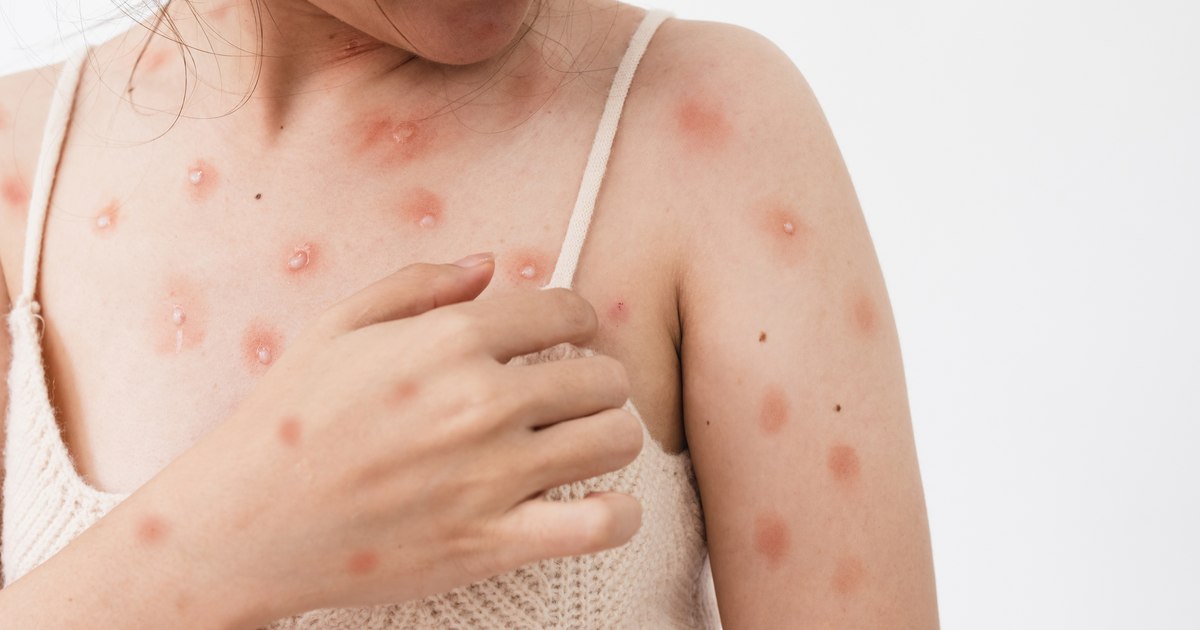
American health officials have confirmed the first case of infection with the new mpox (monkey pox) variant.
Monkey pox has set health authorities all over the world on fire. Source: archive
According to the California Department of Public Health, the patient is a person who traveled to East Africa. On his return, he was treated at a local hospital and then discharged. The patient was isolated at home without receiving any specific treatment. This, because the form of the disease is very mild, and the symptoms have already improved. In the meantime, the health authorities have contacted the people close to the patient as a precautionary measure. All direct contacts are being monitored, the public health department said.
What is monkey pox and how can we get it
White monkeypox caused by the mpox virus, discovered in 1958 in Denmark, in a colony of monkeys. These animals, which were being researched in a laboratory, were the first to become infected and show signs of illness. Hence the name monkey pox, although the original source of the virus is not yet known. It is assumed that rodents or small mammals such as squirrels or primates could harbor this virus.
The virus can enter the body through injuries, through mucous membranes and through the respiratory system. A person can become infected if he has close contact with a sick person, for example by kissing, hugging, intimate relationships. Longer face-to-face interactions with someone with mpox can also cause infection through saliva droplets while talking or breathing. Diseases can also occur after using intimate objects that belong to a person with mpox. The virus can also be picked up from infected animals, either in the process of hunting or preparing them for cooking, or through scratches or bites. It should also be known that pregnant women can transmit the virus to their babies.
WHO has approved an anti-mpox vaccine
In October this year, the World Health Organization approved the Bavarian Nordic anti-pox vaccine, but only for adolescents between the ages of 12 and 17. The United Nations agency approved the use of the vaccine as early as September as the first injection against smallpox in adults, thus facilitating access to the vaccine for hard-hit African countries. The US Food and Drug Administration has also approved the Bavarian vaccine, but only for use in adults 18 and older.
Cases of mpox outside of Central and West Africa, where the virus is endemic, have been rare over time and have usually been linked to people who traveled to affected regions or animals brought there.
This year, scientists reported the emergence of a new form of mpox in Africa, which was spread through close contact. It was widely transmitted in East and Central Africa. But in cases that have been identified in travel outside the continent, the spread has been very limited, according to the US Centers for Disease Control and Prevention. More than 3,100 confirmed cases have been reported since the end of September alone, according to the World Health Organization. The vast majority of them were in three African countries – Burundi, Uganda and the Democratic Republic of Congo. Since then, cases of travelers with the new mpox form have been reported in Germany, India, Kenya, Sweden, Thailand, Zimbabwe and the UK.
