
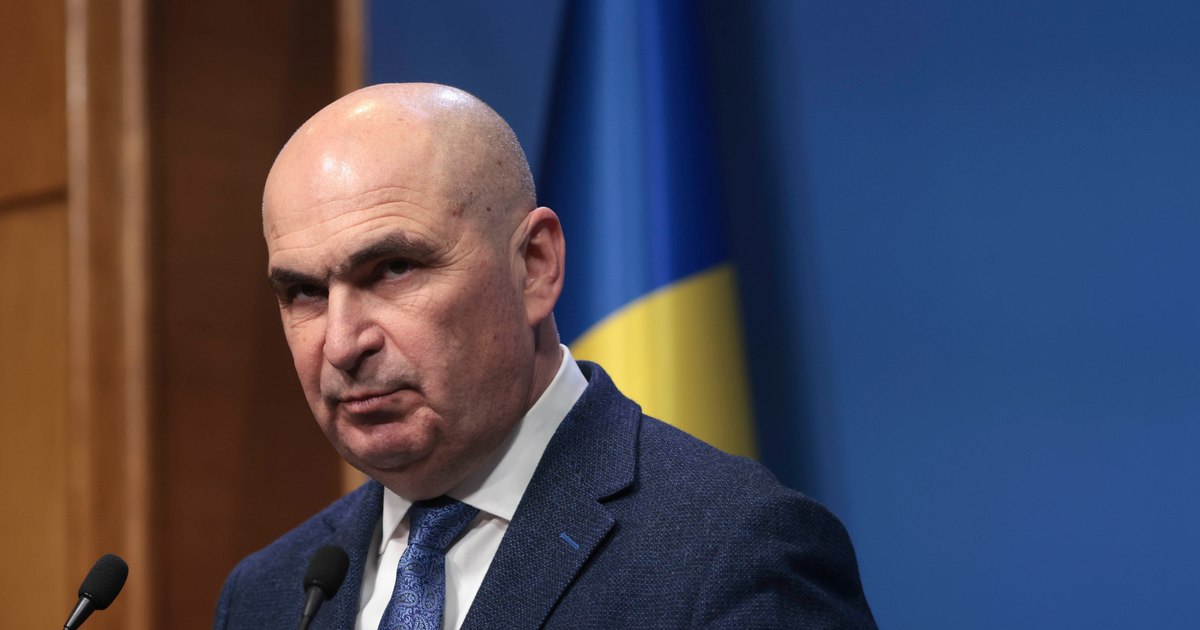
Prime Minister Ilie Bolojan announced on Wednesday, March 11, that the Ministry of Finance has published the draft budget for the year 2026 and specified that the Government proposes that it be approved by the end of the week and sent to the Parliament for adoption.
“This year’s budget is built in a difficult economic context and must simultaneously respond to several challenges. The government must reduce the budget deficit, maintain a high level of investment, manage the high cost of interest, make public administration more efficient and, at the same time, put the economy on a healthier footing. These are the five big challenges that define this year’s budget.” the prime minister said in a post on Facebook.
1. Reducing the budget deficit and strengthening the financial balance of the state
The first big challenge is reducing the budget deficit. Romania must decrease the cash deficit from approximately 7.7% of GDP, i.e. 146 billion lei in 2025, to 6.2% of GDP, i.e. 127.3 billion lei, which translates into an adjustment of approximately 18.7 billion lei.
“This adjustment is not just an accounting exercise by the Government. It is an effort of the entire economy and the entire society. Reducing the budget deficit means bringing the state’s expenditures closer to the revenues it collects. In other words, the state must spend more responsibly and size its programs so that the difference between revenues and expenditures is smaller. Therefore, reducing the deficit implies difficult decisions regarding the priorities for spending public money.” the prime minister specified.
2. Maintaining a high level of investment
At the same time, Romania must maintain a large volume of public investments. Why? We have more than 20,000 investments in different phases, in all localities of the country, and in the past years projects were overcontracted beyond the normal financing capacity. In addition, this year ends an important cycle of accessing European funds. The priority is the realization of the investments financed from the PNRR.
The deadline for completing the PNRR absorption is the end of August. Romania still has approximately over 10 billion euros to attract through the PNRR, to which are added several billion lei in co-financing from the state budget.
“The investment budget proposed in the draft budget increases to over 160 billion lei, i.e. approximately 8% of GDP”the head of the Government sent.
3. High cost of interest
Another important pressure on the budget is the increasing cost of interest that Romania has to pay on the public debt. Although market interest rates have started to decline, the overall level of payments remains high due to the accelerated growth of debt in recent years.
“In 2026, Romania will pay approximately 60 billion lei in interest, i.e. almost 12 billion euros, equivalent to 3% of GDP. As a term of comparison, this amount means the value of the five-year Anghel Saligny investment program or the cost of building the Bucharest-Pașcani highway”, explained the prime minister.
4. Reduction of personnel expenses and efficiency of administration
To create budget space for public services and maintain investment, it is necessary to reduce public sector staffing costs. In the coming months, ministries and public institutions must reorganize their structures and make savings. It will not be an easy process.
The draft budget provides for the reduction of personnel expenses and keeping current state expenses under control, without affecting the support for vulnerable categories, which remains around 250 billion lei.
“The aim is to use public money more efficiently, to direct more resources to investment and development and to create a simpler, more efficient and closer administration to citizens“, explains Bolojan.
5. A healthier economy in the long run
In addition to budgetary adjustments, it is important to put the economy on a more solid footing. This means, among other things, increasing the number of people active in the labor market, stimulating production and exports, and supporting private investment.
“This is the only way we can create more value and well-being for Romanians, ensuring the necessary conditions for a more competitive and resilient economy. The way in which these challenges will be managed will influence Romania’s financial stability and the pace of economic development in the coming years.”“, concluded Prime Minister Ilie Bolojan.
