
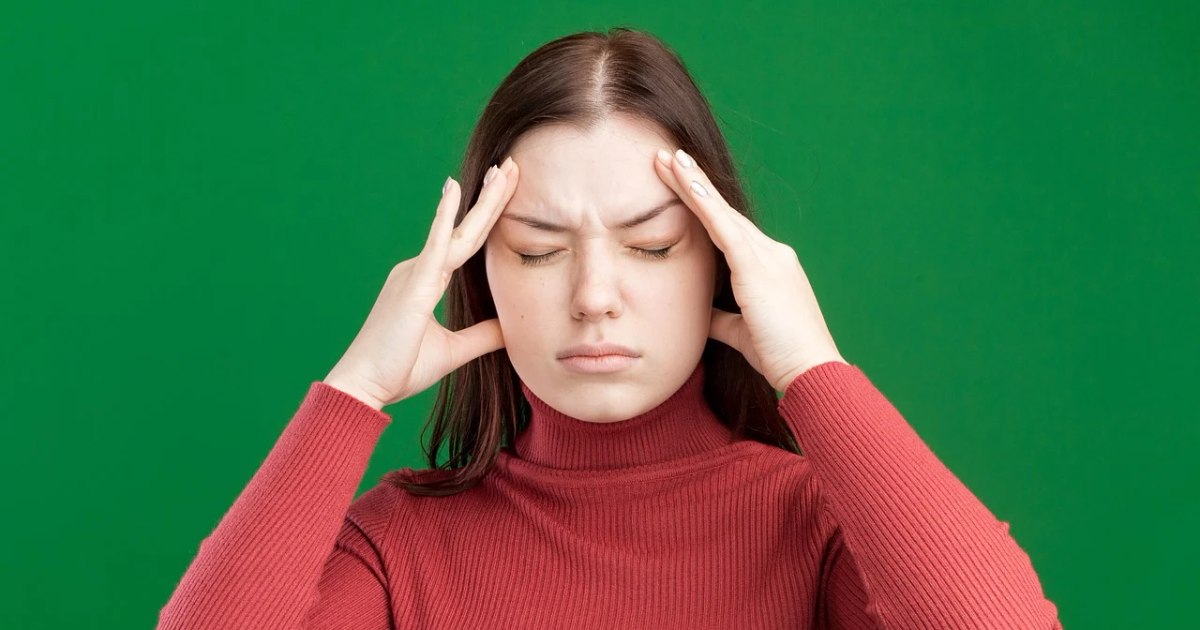
A single migraine episode can last as long as three days, and headache episodes are recurrent. How does this condition manifest itself, how is it treated, what can help.
Migraine is one of the most excruciating conditions PHOTO: Pixabay
Migraine is an under-diagnosed and rather poorly understood condition by those close to a patient experiencing such excruciating headaches. It is most often manifested by episodes of headaches that occur periodically. They are on half of the head and can be accompanied by phono-photophobia (patients are bothered by noise and light). Nausea may also occur, up to the point of vomiting.
“The pain can be throbbing, throbbing, and often worsened by routine physical activities or prevent the patient from performing even routine physical activities. For example, a migraine sufferer may find it difficult to bend down to tie shoelaces because it can make the head jerk even more,” explained specialist neurologist Bogdan pană, during the show “Youth without old age”, from Digi 24.
The causes of migraine are still not fully known. “It is most likely a disease with a very important genetic component. We don’t know exactly what triggers the first migraine attack and why it happens. We know that it appears sometime between the ages of 5 and 50, most often in childhood, adolescence or young adulthood, that’s when you start having the attacks. And depending on your lifestyle and certain factors, you can have attacks more often or less often,” the doctor continued his explanations.
Migraine attacks can be triggered by certain fluctuations. It is on the one hand the fluctuation of stress, which acts both for good and for bad. During stressful periods we can have migraines more often, but the same can happen if we relax suddenly, at the weekend or on the first day of vacation.
Fluctuations in sleep also accentuate the attacks, which is why the doctor recommends that migraine patients have a strict sleep schedule and respect the bedtime and wake-up times, even on Saturdays and Sundays, or on vacation.
Hormonal fluctuations, over which the patient has less control, can also be responsible for migraine attacks.
“It’s a myth that if you have a baby your migraine will go away”
“It’s a myth that having a baby will make your migraine go away. I think that’s exactly what it comes from, the fluctuations. It has a grain of truth, because during pregnancy the patients may be better, but after giving birth the migraine usually returns and may even return with “debt” from the period when they did not have it. I mean, it could be worse.” the neurologist explained.
Another myth, partly true, continued doctor Bogdan Pană, is that it is known that migraine gets rid of after menopause. “Most of the time, yes, after menopause it is better. But there can also be other fluctuations: if you haven’t eaten on time, if you eat certain foods, if you drink alcohol – especially red wine, if there are fluctuations in atmospheric pressure, air currents, if you have made an intense physical effort , if it was a strong smell, even a pleasant one, or a bright light, all these things can trigger a migraine attack for a patient who already suffers from this disease”, the specialist described and what other contributing factors this condition has.
Migraine sufferers are often misunderstood by those around them who do not suffer from the same disease, because it seems hard to believe that a headache cannot be solved with a pill, a sleep episode or a walk outdoors, but the crisis may worsen.
“If a migraine patient were to run through the woods during the crisis, it would most likely not be better, because there would also be physical exertion and bright light.” the doctor explained.
How drug abuse headache can occur
The situation can be improved, the doctor stated in the “Youth without ageing” show, through lifestyle changes, and fortunately in recent years, targeted treatments have also appeared, for attack and prevention.
It is recommended to take the right medicines from the first signs. We are talking about simple pain relievers (aspirin, paracetamol, ibuprofen, ketoprofen, algocalmin), explained doctor Bogdan Pană, which can be effective at first.
“If they are no longer effective, we should switch to a combination of several substances, such as aspirin with paracetamol and caffeine, but these combinations, even if they can be more effective than the first options, are more prone to headaches drug abuse. Drug abuse headache is a very interesting concept, where, unfortunately, as you take pills more often, you get headaches more often.” drew the doctor’s attention.
Simple analgesics, it is absolutely necessary for patients suffering from migraine to know, can be administered a maximum of 15 days per month, and not necessarily consecutively. If given for, say, three months, headaches will occur even more often. Drug combinations, in turn, can be administered no more than 10 days per month, and so can drugs in the class of drugs used targeted for migraines.
In the last two years, the doctor also stated, a new class of drugs has appeared, which specifically targets migraine, and which “completely changes the rules of these games that we were used to and apparently, as we administer them more often, the headaches are rarer”.
The doctor also explained how the apparent contradiction between the indications given to patients should be interpreted.
“I told them – take something at the first sign, don’t wait, because in the end you’re going to take it anyway, they’re going to be less effective and you’re going to end up taking even more pills if you didn’t take it on time – , but on the other hand I was telling them – but make sure you don’t take them too often, because if you take them more often you will get a headache more often -. It’s apparently a contradiction, because I was actually telling them: take it at the first signs, but when you see that there are at least four days a month, not necessarily consecutive, out of 30 in which you have to administer something, come back and start a treatment for the prevention of migraine, let’s make them more and more rare or less intense”, the doctor added additional clarifications.
Medicines for prevention
For about six years there have also been specific drugs for prevention. Previously, to prevent migraine attacks, doctors prescribed drugs that also treat other diseases, for example drugs from the class of antiepileptics or antidepressants. There are now targeted drugs for migraine, “which is good, psychologically too, because you know you’re taking something for your pathology, neither antiepileptic nor antidepressant. And they are even more effective and with fewer side effects.”
Patients, studies show, do not arrive on time, nor do all those who experience this migraine. According to a 2018 study, carried out in several EU countries (in which Romania, however, did not participate), less than 50% of people with migraine go to the doctor and less than 20% receive a treatment that can be considered correct.
Doctor Bogdan Pană draws the attention of patients that if they experience headaches at least four days a week, they should consult a neurologist, even if these pains are relieved by medication.
Improving lifestyle, including paying attention to foods that could trigger crises, can contribute to pain relief, and for better control, the doctor added, he recommends patients keep a migraine diary.
“People usually know of certain foods that they claim could harm them and most of the time actually trigger a migraine attack, but there is not necessarily a consensus among specialists that certain foods are dangerous. For this reason it is recommended that migraine sufferers keep a migraine diary, to know exactly how many days per month they had a headache, what they took on those days and how many pills, and ideally to pass certain factors as well which they believe could have been triggers. And if those factors keep repeating themselves in that diary, they’d better avoid them.”concluded the neurologist.
