
Numerous hermitages have been established in recent years in Romania, but the desire of young people to dedicate themselves to the monastic life seems to be much lower than in the past, even if the settlements are sought by more and more pilgrims and tourists.
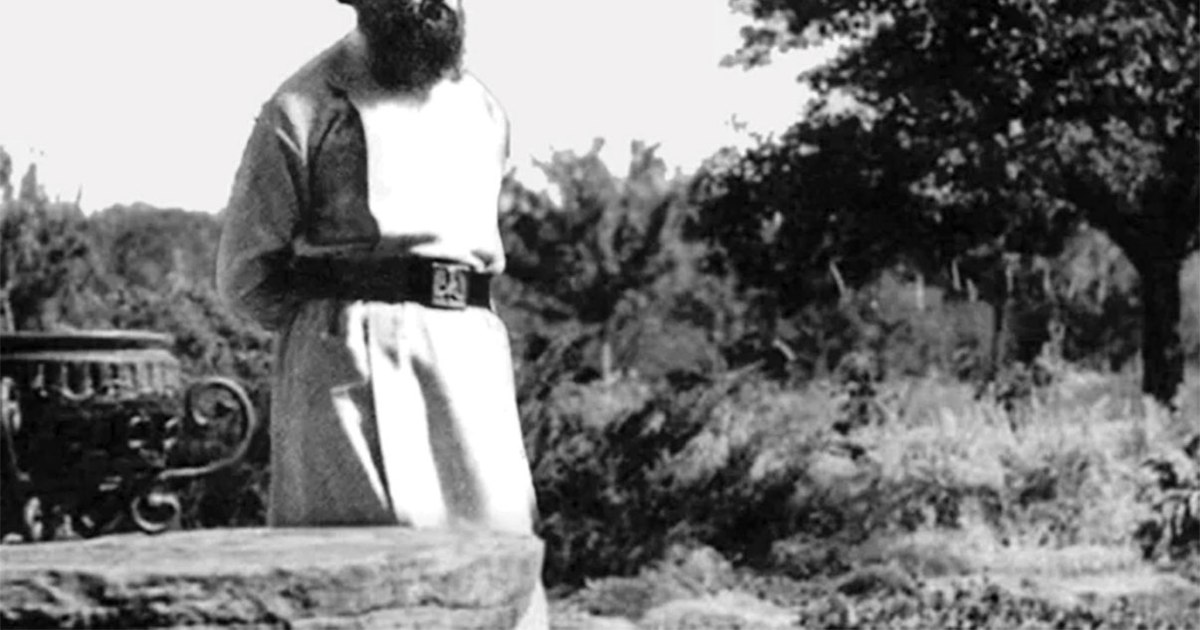
Arsenie Boca is among the most popular Romanian monks. Photo: Wikipedia
Many monastic settlements in Romania are going through a paradox, shows the messages sent by priests and monks. They have become tourist attractions and are visited by more and more Romanians, who come here either to retire or to relax, admiring the places or attending services. A fact noted by some priests is that monasteries and hermitages are more crowded on weekends and holidays than regular churches.
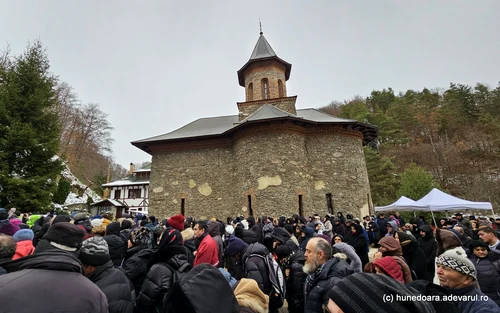
Image 1/18:
Prislop Monastery Photo Daniel Guță THE TRUTH (35) jpg
At the same time, the number of those who choose to dedicate themselves to the monastic life for the rest of their lives is decreasing, and some of the hermitages survive in turn, maintained by a monk or two, or by a few nuns. The austere life, loneliness, the inability to adapt to monastic life or the lack of vocation for such a life often end up being insurmountable obstacles for many of those who want to follow monasticism.
Only in Hunedoara county, of the more than 20 existing hermitages and monasteries, most were established or re-established after 1990. The number of monks and nuns is reduced to a few people in some of them, sometimes moved from other monasteries just to be able to he took care of the hermitages that would otherwise risk being abandoned.
In the village of Alun in Hunedoara (video), the marble church built in the interwar years came after 1990 under the care of nuns, who managed to maintain it with great efforts.
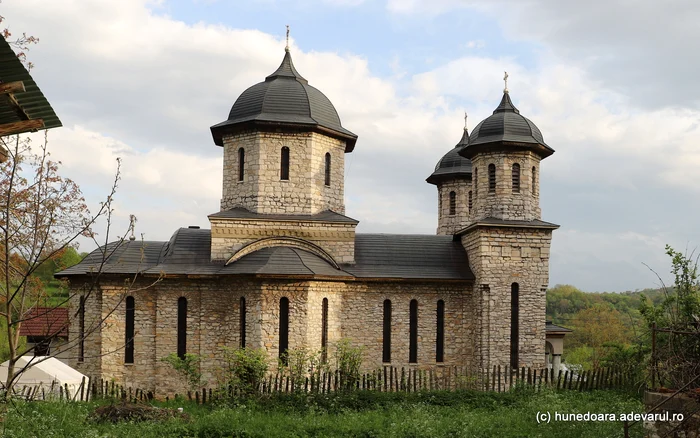
The mamura church in the village of Alun. Photo: Daniel Guță. TRUTH
The village in the Forest Land, once prosperous, had remained almost deserted in the late 2000s, being permanently inhabited by a few people. And its marble church – now a hermitage, and a wooden church, three centuries old, had reached a precarious state.
The Hermitage of Straja, with a single monk
The Hermitage in the Straja Mountain Resort (video) was established in 1999, and around it developed the recreation area in the Vâlcan Mountains, which has become increasingly popular in recent years. Like the resort in Valea Jiului, the small wooden church of the hermitage is visited by many tourists, but in the 25 years since its foundation, the community of the hermitage could not be increased to more people.
In a message published on his Facebook page, the abbot of the hermitage, Dimitrie Ivașco, showed that a community of monks or nuns could not be formed, despite his attempts, but also that of the monk who lived here for the first ten years of the hermitage . One of the reasons was the fact that the space of the hermitage is very small, and those who have come so far could not adapt to the place, surrounded by the crowded resort in winter, in an area with a harsh, mountain climate.
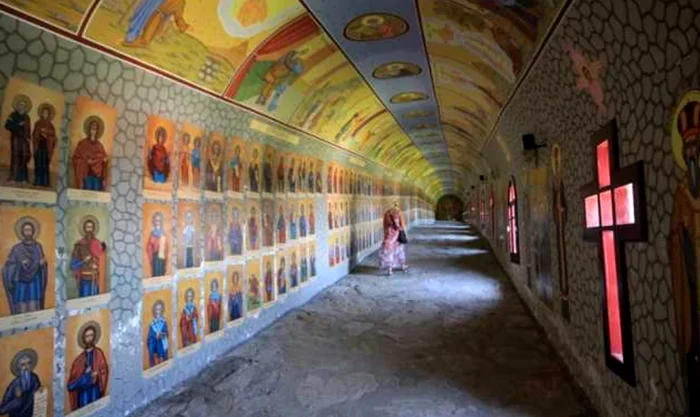
The tunnel leading to the Straja Hermitage. TRUTH
“Many times there is noise and very loud music, other times it is complete silence. The winter here is always long, lasting five months (from the beginning of December to the end of April), and sometimes it is with snow and strong blizzards, which last for a day and a night, continuously. However, we are at 1,440 meters altitude in the mountains, in the Vulcani Mountains, between the Retezat and Parâng Mountains”recounted the monk.
Some of those who tried to stay at the hermitage left the place to look for monasteries where they felt more comfortable.
“I decided that it would be better to remain as I was until now… (proto – sangur = single monk priest with the function of abbot or abbot, at a hermitage, a smaller monastery) … and even as it was intended by the founder to be this hermitage from its beginnings, i.e. with only one monk priest who would do some kind of spiritual mission in these places and who would be helped by the laity, at the pew, kitchen and in winter to the necessary ones. In the end they proved that lay people are much more dedicated, determined and self-sacrificing than many of the monks when they want to help around the monasteries. This is a reality that we should not hide. That’s it. this is us”the abbot of the monastery said on his Facebook page.
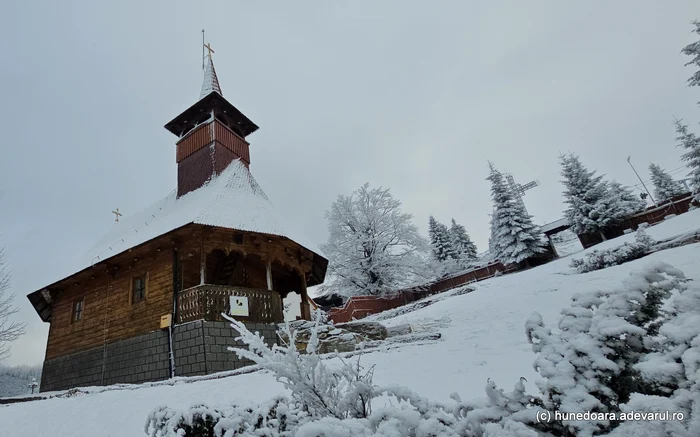
Straja hermitage. Photo: Daniel Guță. TRUTH
The monastic vocation has decreased a lot and too few young people enter the monastery with a true call to the monastic life, especially after the year 2000, he concluded.
“I believe that monks, including monks and nuns, will be until the end of this world, but they will be fewer and fewer, despite the fact that hermitages and monasteries are always being built, you wonder where and how”added Dimitrie Ivașco.
Arsenie Boca wanted fewer monasteries
In the early 1950s, before the communist regime closed numerous monasteries and hermitages, some, like the Prislop Monastery, turning them into nursing homes or abandoning them, the monk Arsenie Boca stated that the number of monasteries should remain small, but those who were to be received among the monks had to be carefully chosen.
In the spring of 1952, Arsenie Boca returned to the Prislop Monastery (video), after more than a year spent in the labor camp at the Danube – Black Sea Canal. Shortly after his release, he sent a letter to the bishop of Arad, Andrei Magieru, in which he explained why he did not agree with the establishment of a large number of monastic settlements. The letter was published in 1993, in “Gandirea”, by Mother Zamfira, the nun who accompanied him in the last four decades of his life, and it caused controversy.
Arsenie Boca showed the bishop why some monasteries had fallen into disrepair, and those who lived here had reached a humiliating situation.
“Here are some decadent ones: Poverty, with which a monastery is sometimes started, causes begging, walking around with a “pantahuza”, lending jobs to laundry, taxes on jobs – shame. From the difference in dowry, which everyone brings, humiliating attitudes, unjust priorities – soul breakdown are born in common. The people from outside, who help with more important donations, and who do not help at all, if they are not taken care of, begin to interfere in the internal affairs of the monastery, to enmity the community and to be enmity with each other outside – the fools”wrote the monk.
According to the priest from Prislop, the health of each monk had to be carefully checked before entering the monastery. Also, the monk claimed that the future monks should be strictly investigated regarding their morality.
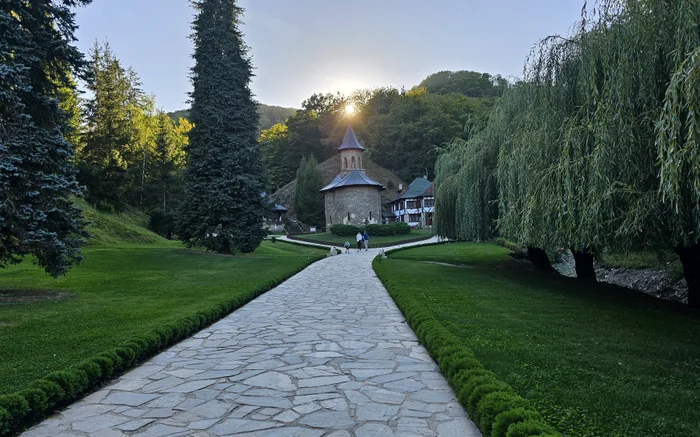
Prislop Monastery. Photo: Daniel Guță. TRUTH
Abbots and priests had to “let them be enlightened minds, with broad views, good connoisseurs of man, clear in doctrine, improved in humility and skilful in right calculation and, above all, structures with a happy union between love and authority, Arsenie Boca looked.
At the end of the letter, he recommends that the number of monasteries be reduced, as well as those who live in religious settlements.
“Large communities, unexpectedly large, even if they have qualified guides, the larger they are, the shorter their life. As a conclusion of the opinions: rather than achievements destined to decadence, in relation to the location, the endowment and the composition of the staff, better without them. Because the stones, preserved like this: the pinnacle of the past, speak better to the conscience of the people, than the hopeless present achievements. Not many monasteries, but few: the fewer, but the better, and not too big, but with a deeper spiritual experience, necessarily Orthodox. Amen!“, concluded Arsenie Boca.
