
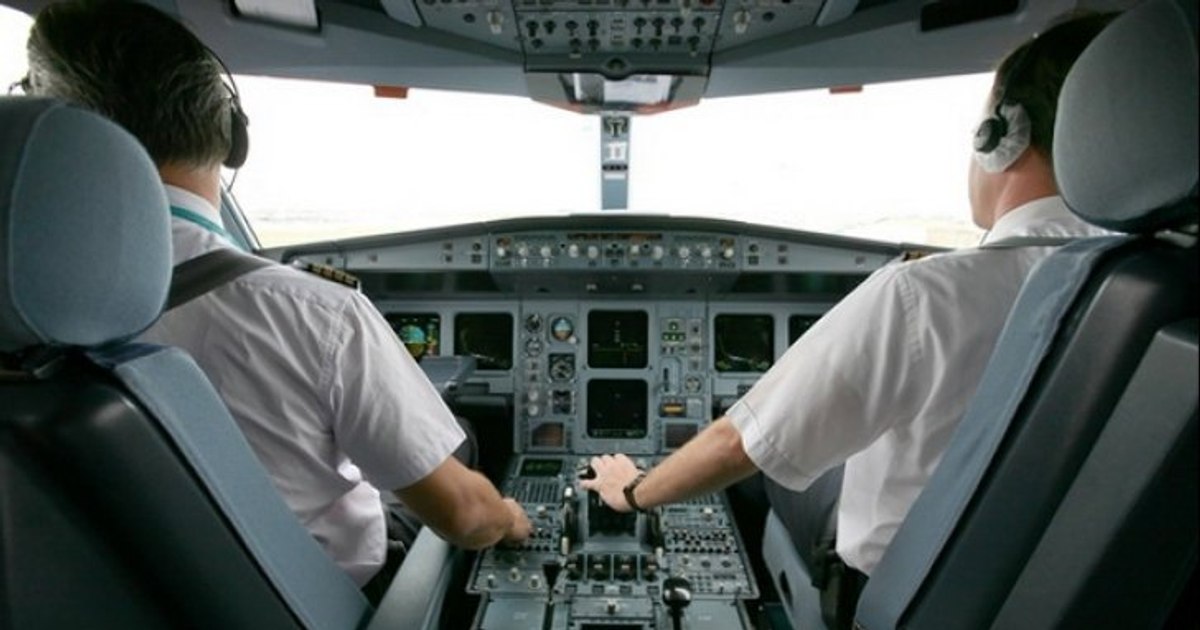
Military organizations that have struggled with pilot fatigue for decades have a surprising solution to the problem after two Indonesian airline pilots fell asleep during a race.
The solutions of the military could also be applied to commercial pilots PHOTO Adevărul archive
It all started with some pills found in the pocket of a Nazi pilot. They depended on them to stay awake during long missions. At the time, the German Luftwaffe kept airmen awake with the so-called “pilot jump“.
After testing the pills, the British began working on their own version.
According to the BBC, the resulting substance was widely distributed and fueled hundreds of night missions in Europe. A similar drug, dextroamphetamine, became popular during the 1990-1991 Gulf War, being taken by most fighter pilots involved in bombing Iraqi forces in Kuwait.
Today, the miracle pill is still used by US military aircrews to solve the same problem, pilot fatigue, which can occur during long missions and put their safety at risk.
But there is a problem. Amphetamines can cause serious addiction, with pilots abusing them even as far back as 1940. Thus, in recent years, military organizations have sought another option.
The miracle pill that keeps military pilots awake
Modafinil, a stimulant originally developed for the treatment of narcolepsy and excessive sleepiness in the 1970s, began to be used by military pilots because it can help prevent falling asleep, but it can also have powerful effects. It has been shown to improve spatial planning, pattern recognition and working memory, as well as increase general cognitive performance, attention and alertness in situations of extreme fatigue.
But modafinil also has side effects that include sweating, severe headaches, and even hallucinations. However, under certain circumstances, it can be a formidable aid to those who need to stay awake. In an early study, the drug kept people awake for up to 64 hours of activity, and its effects were compared to drinking 20 cups of coffee.
In the world of fighter pilots, there are two types of drugs: pills “go” and “no-go“. The former are stimulants and increase the activity of the central nervous system – a reason why amphetamines are sometimes known as “speed”.
The others are depressants, which slow down the transmission of messages between the brain and the body. In situations where the timing of wakefulness and sleep is critical, the Air Force sometimes uses these drugs to command the body to cooperate. This is where modafinil comes in.
Modafinil is already widely available, approved for use by the air forces of Singapore, India, France, the Netherlands and the United States. Meanwhile, an investigation by The Guardian newspaper revealed that a significant amount of the drug had been purchased by the UK Ministry of Defense before the start of the war in Afghanistan in 2001.
Another order had been secured in 2002, before the invasion of Iraq. Although a defense research agency conducted experiments with the pills, they would not have been used on combat personnel.
In fact, pilots “chemically enhance” have been involved in hundreds of military operations in the past decade alone.
As they fly, fighter pilots often have only a few seconds to observe their surroundings and decide how to react to threats, so fatigue can be fatal. But oddly enough, intense flights involving wars or serious maneuvers aren't the only ones where pilots tend to experience sleep deprivation – in fact, boring flights are more dangerous.
In situations where things happen quickly, the body produces its own stimulant drug, adrenaline, which increases alertness and reduces feelings of fatigue – at least in the short term. On the other hand, less engaging missions could lead to boredom, which could exacerbate the impact of burnout.
Can the military be forced to take modafinil?
Volunteers from the Royal Netherlands Air Force were kept awake for 17 hours and then given a dose of modafinil, caffeine or a placebo. They were then assessed for alertness and sleepiness. The researchers found that both caffeine and modafinil were effective, although the latter worked longer.
Even after a full night without sleep, some people who took the drug felt like they could go on for another day.
Of course, there are serious ethical and legal implications involved in giving stimulants like modafinil to the military. But what would happen if someone refused to take a drug deemed necessary for the success of a mission?
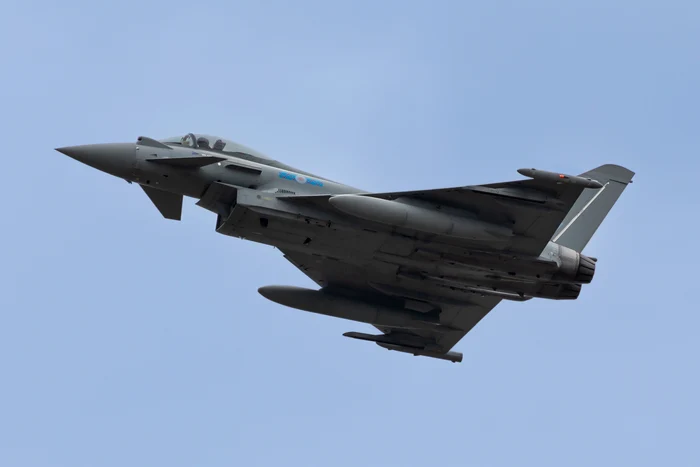
British pilots use modafinil to stay awake PHOTO Shutterstock
A study of possible challenges related to the use of stimulants in the Canadian armed forces highlights the following contradiction: while it is not legal to force someone to take a drug in Canada, it is a legal requirement for military personnel to fulfill “any orders they may have to comply with” at any time, day or night. If it were deemed necessary for someone to take modafinil for operational reasons, they could refuse, but they would not have the right to fail as a result of the refusal.
Modafinil is not a perfect drug, but it has side effects, and these can be both mental and physical. Several studies have found that the drug can lead to increased confidence in one's judgment – something that could be fatal when flying at speeds that can easily reach 1,900 km/h.
The Nazis had similar problems when they medicated the air force during World War II. In all, they distributed about 35 million methamphetamine pills to the military in the spring and summer of 1940. However, it soon became clear that the drug-intoxicated pilots had poor judgment, often believing that their performance was good—even though it was, by actually, terrible.
Authorities eventually became concerned that the drugs, which were sold under the brand name Pervitin, could cause accidents.
Like amphetamines, modafinil can be addictive – albeit much less so. It is also susceptible to abuse. The drug became a popular smart drug in the 2000s, used by students to stay up all night studying, or employees with limited time.
Many commercial pilots complain that they don't get enough rest time
A 2023 survey of 6,900 pilots in Europe found that 72.9% of them felt they did not have enough rest time to recover between shifts – while three-quarters had experienced a microsleep while on duty in the past month.
According to Yara Wingelaar-Jagt, lieutenant colonel and head of aerospace medicine at the Dutch Ministry of Defense in Soesterberg, the Netherlands, while modafinil's benefits for military pilots might be applicable to commercial aviation, it's better not to used.
“I think for commercial aviation we have to be skeptical of what we ask of our pilots and our society. Is it really necessary for our commercial pilots to fly at night to get us to our destination, or should we accept that even humans have their limits and respect the universal need for sleep?she says.
Instead, Wingelaar-Jagt suggests that modafinil could have value in other professions with long hours, such as emergency care or firefighting.
“For those fields of activity, it is beyond doubt that people must be able to perform optimally even at times when they are already exhaustedshe says.
A study found that doctors who were up all night did better on a range of tasks that might be relevant to their duties when they took modafinil – they were more effective at solving problems involving planning and memory work and less impulsive.
However, as with military pilots, there are ethical roadblocks – particularly concerns that medical professionals might be pressured to use them.
