
The Ministry of Health has launched a project aimed at banning the sale of soft drinks, energy drinks and other products with a high content of sugar, fat and salt in schools in Romania, instead promoting the consumption of drinking water and healthy food for students.
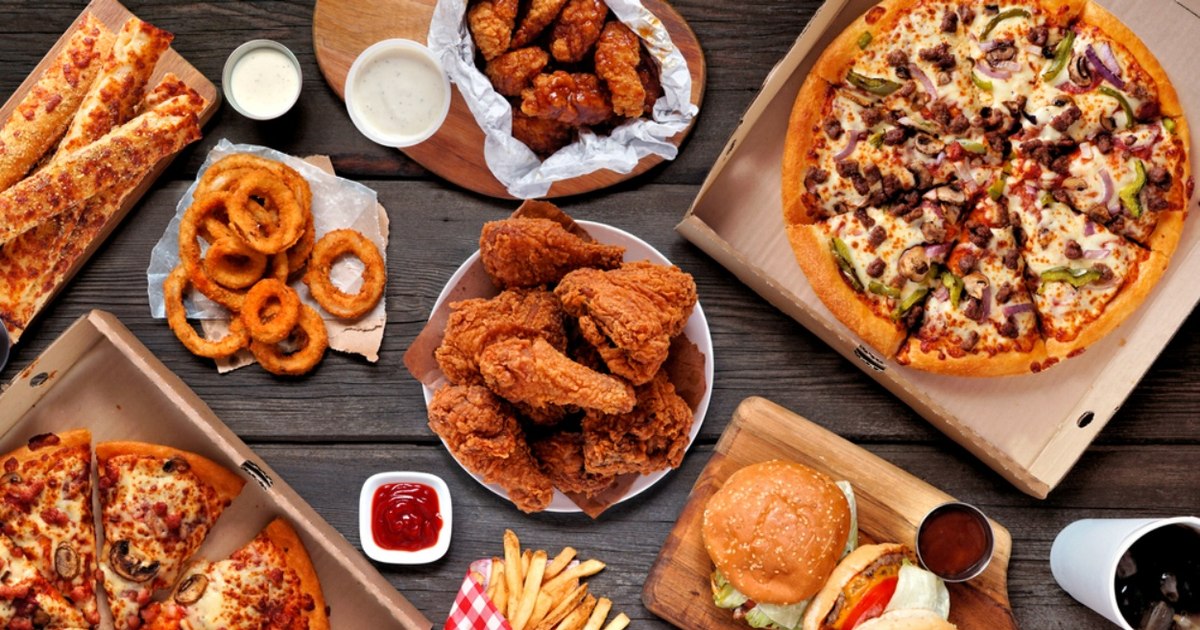
Juices and junk food. Photo: Shutterstock
The project was put up for public debate and is part of a series of measures to promote a healthy diet among students.
In the document released by the Ministry of Health, it is specified that only bottled drinking or mineral water will be allowed to be sold in schools, in order to encourage children to adopt the habit of consuming water. Also listed are foods not recommended for sale in educational establishments, according to their sugar, fat and salt content.
List of non-recommended foods
According to the project, the following food categories will no longer be able to be sold in schools in Romania:
- Foods high in sugar: Products containing more than 15g of sugars per 100g of product.
- Foods with a high fat content: Products that exceed 20g of fat per 100g of product, of which more than 5g are saturated fats and more than 1g are trans fatty acids.
- Foods with a high salt content: Products containing more than 1.5g of salt per 100g of product (or 0.6g of sodium for fish).
- Soft drinks, energy drinks and sports drinks: These will be prohibited, and in their place the consumption of bottled drinking or mineral water will be encouraged.
- Foods with a high calorie content: Products exceeding 300 kcal per unit of sale.
- Unpackaged foods: Except for fresh fruits and vegetables.
- Unlabeled foods: According to the legislation in force.
Foods not recommended due to low nutrient content
The Ministry of Health also detailed a number of products that should be avoided due to their low content of essential nutrients and unhealthy additives:
- Fruit flavored drinks
- Cakes, doughnuts, pies, commercial whipped cream
- Candies (including gummies), jellies, lollipops, caramels, marshmallows
- Chocolate
- Frozen desserts (eg: ice cream, ice cream cake)
- Coconut oil, lard, palm oil
- Pickles with increased salt content
- Chips (potatoes, vegetables), tortillas, pretzels, pretzels, puffs, nachos
These foods are considered low in nutrients and high in sugar, fat or salt, having a negative impact on children’s health.
Food safety and choking hazards
In addition, the Ministry of Health also emphasizes the risks related to certain foods that can endanger the safety of children:
- Food with a choking hazard: Drinks and hard, small, round, smooth and sticky foods can cause choking in small children. These include:
- Fish with bones
- Chewing gum
- Large oleaginous fruits that should be served chopped
- Whole grapes and cherry tomatoes, which must be quartered
- Foods at risk for safety: These products are prohibited due to the high risks of food poisoning, such as:
- Honey for children under 1 year
- Unpasteurized milk
- Unpasteurized milk cheeses and yogurts (for example: brie, camembert, roquefort)
- Cold smoked fish
- Raw or undercooked eggs
- Preparations containing ice cream, mousse, mayonnaise or sauces
- Undercooked meat
- Raw seafood, shellfish or fish
- Juices or unpasteurized cider
- Energy drinks
Table of food choices
Foods allowed in schools will be classified into food groups, and within each group healthier options will be recommended, designed to support children’s development. Each category will be divided into three subcategories:
- To be served most often: Foods in this category are the healthiest, with minimal sugar, salt or fat content. They are recommended to be consumed daily.
- Serve occasionally: Foods in this category are higher in sugar, salt or fat and should be eaten in moderation.
- Not to serve: These products are considered unhealthy due to their high content of sugar, fat or salt, being dangerous for children’s health.
Examples of recommended healthy foods
- Fruits and vegetables: It is recommended to eat fresh, frozen or cooked fruits and vegetables without added sugar or salt. Fruit juices should be limited and unsweetened dried or dehydrated fruit is a better choice.
- Bread and pasta: Plain bread with no added sugar is recommended, and plain pasta with no added flavors or spices are the best choices.
- Dairy products: The consumption of natural dairy products, without added sugar or unhealthy fats, will be encouraged.
The complete list of all foods recommended and not recommended for preschoolers and schoolchildren proposed by the Ministry of Health can be read here.
