
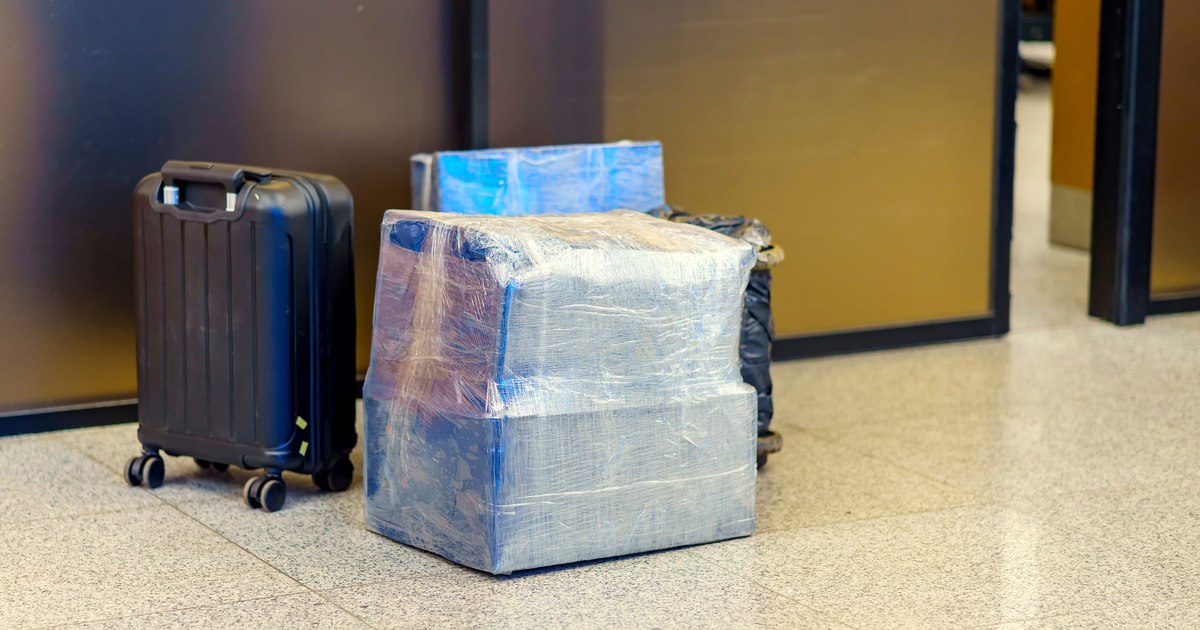
Theft of your luggage or the goods in it can definitely ruin your vacation. So that filing complaints with the police does not consume your leisure time, the specialists have come up with some tips on how to make your luggage less attractive to thieves.
The advice comes from Ed Burnett, a former military policeman in the US Army and a security expert for UPS, currently an executive adviser at Cloudastructure Inc, an artificial intelligence-based surveillance and remote security company, writes The Independent.
It offers recommendations related to the colors of luggage that attract thieves, the effectiveness of tracking technology, packing strategies and the usefulness of wrapping suitcases in plastic wrap.
1. The “safety” mistake — wrapping in plastic
Ed recommends not wrapping your suitcases in plastic wrap.
He explained to The Independent: “While it protects against scratches and prevents drugs from being placed in your luggage, it conveys the message «I have expensive things here». In addition, it makes it impossible to quickly check your belongings if you suspect someone has been walking around in your luggage.”
2. Baggage selection and appearance
colors
Choose a color that will be a disadvantage to the thief, says Ed.
“Vivid colors deter theft. Thieves prefer black or navy bags because they can get away with them without standing out. A neon green bag, for example, is a risk to a thief. If you shout «Stop the man with the green bag!» everyone sees it.”
Hard Case vs. soft
“Hard cases are significantly safer”says the expert, adding: “Soft cases can be cut with the cutter and thieves can reach inside. Hard cases require more noise and effort to break.”
Brands
Certain brands attract thieves.
“Premium brands — like Tumi, Rimowa or Louis Vuitton — are a magnet for thieves. They suggest that the contents are as expensive as the luggage.”
Ed recommends instead mid-upper range brands, which “they look solid, but they don’t convey the message ‘look at me, I’m rich’.”
Backpack vs. Trolley
Both carry risks.
“Rucksacks are targets for pickpockets because the zips are behind you,” says Ed. “Trolleys are targeted for quick theft. Station thieves follow people who leave their luggage handle to check train times or their phone.”
3. Deterrents — locks and technology
Trackers and technology
If you think a visible tracking device deters theft, you’re wrong.
“AirTags and other trackers don’t deter theft—unless the thief sees the ‘found item’ alert on their own iPhone. Instead, they’re critical to asset recovery.”
Ed recommends that they be hidden: “Sew them into the lining or hide them in a sock. If the thief finds the tracker, he will immediately throw it away. The labels ‘GPS’, ‘fragile’ or ‘photo equipment’ are often ignored or even seen as a challenge.” “Never label the contents of your luggage.”
Safety locks and bracelets
They are only partially useful.
“Locks deter opportunistic theft — someone trying to quickly open the bag. But many soft suitcases use spiral zippers, which can be opened with a pen in seconds, bypassing the lock.”
“Bracelets and zip ties don’t stop thieves, but they act as a seal. The thief knows he can’t fasten a broken bracelet back, so you’ll notice the theft right away. Most thieves want to steal without the victim noticing until they get to the hotel.”
4. Labels and Identification Data
While displaying the name and address may seem logical for recovery, it may also indicate that the home is likely empty.
“Put your business card inside your luggage. On the outside, use a covered tag so your name and address are not visible to people behind you in line. Always use your work contact information. You don’t want a stranger to know your home address and the fact that you’re away.”
5. Packaging strategy
Don’t spread valuables around, advises Ed.
“Keep all your essentials—jewelry, electronics, medicine—in your carry-on, which you keep under constant surveillance.”
“If you must put valuables in your checked baggage, use a ‘disguised hiding place’ — for example an empty sunscreen container or a laundry bag.”
“Look out for premium electric toothbrushes and chargers. They have great value on the second-hand market and are often forgotten by travelers until they disappear.”
5. Packaging strategy
Don’t spread valuables around, advises Ed.
“Keep all your essentials—jewelry, electronics, medicine—in your carry-on, which you keep under constant surveillance.”
“If you must put valuables in your checked baggage, use a ‘disguised hiding place’ — for example an empty sunscreen container or a laundry bag.”
“Look out for premium electric toothbrushes and chargers. They have great value on the second-hand market and are often forgotten by travelers until they disappear.”
