
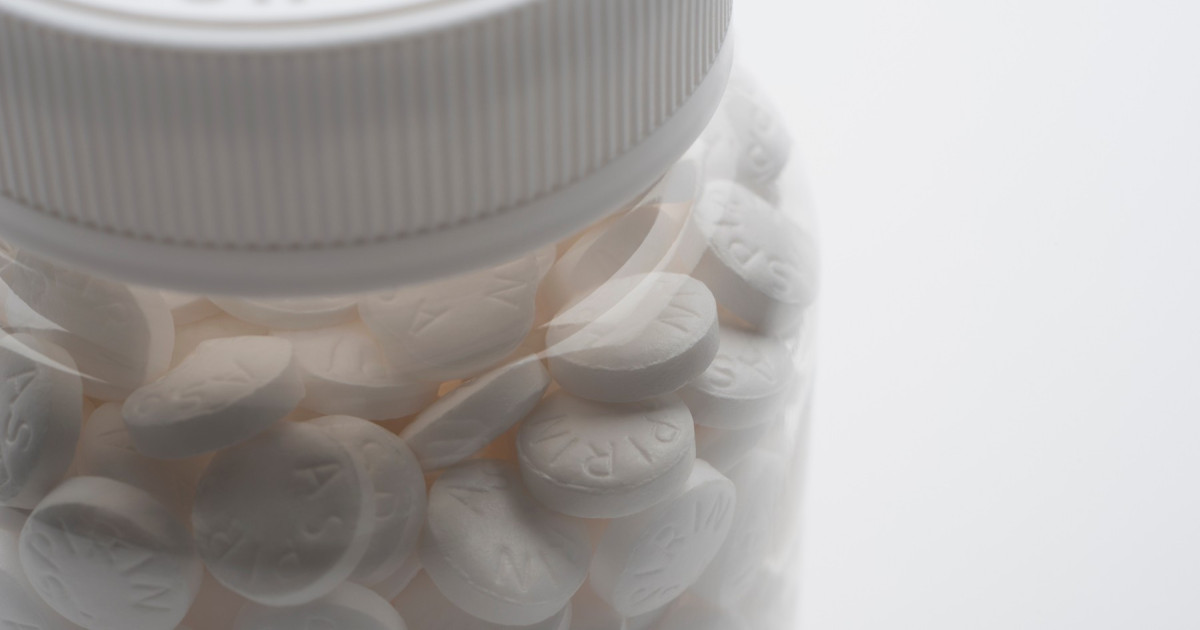
Taking low-dose aspirin could be associated with about a 70% reduction in the risk of dementia in people who have a certain genetic profile. This is the conclusion of a new study carried out by researchers from Monash University in Australia, who, however, point out that the potential benefit is accompanied by a significant risk of serious bleeding.
The research results, published in the scientific magazine Alzheimer’s & Dementia: The Journal of the Alzheimer’s Association, were obtained after analyzing genetic data from more than 13,500 participants in the ASPREE clinical study, dedicated to investigating the effects of aspirin on the health of the elderly, writes Science Daily.
The scientists tried to determine whether certain genetic characteristics could explain why aspirin might have different effects on the risk of dementia from one person to another.
The risk of dementia, 70% lower in a certain group of people
The most important results were seen in participants who had certain genetic variations associated with blood platelet counts.
Platelets are components of the blood that contribute to the formation of clots, and the researchers analyzed whether genetic peculiarities related to them can influence the effects of aspirin.
After calculating genetic scores associated with platelet count, the experts compared the incidence of dementia among people who received aspirin and those who received a placebo.
Read also
The fruit that can dangerously alter the effect of blood pressure medication. Even a single glass of juice can cause problems
In the group representing the 20% of participants with the highest genetic scores associated with platelet count, only 1% of people who took aspirin developed dementia.
In contrast, in the placebo group, the percentage was 3.3%.
The difference corresponds to a relative reduction of about 70% in the risk of dementia, but only in people with that genetic profile.
Aspirin also increased the risk of serious bleeding
However, the researchers also identified an important adverse effect.
In the same genetic group, 4.4 percent of participants who received aspirin experienced major bleeding, compared with 2.1 percent of those who received placebo.
Thus, although the results suggest a possible benefit in preventing dementia for some people, taking aspirin may involve important risks.
The authors of the study emphasize that the discovery does not represent a recommendation for the preventive use of the drug.
Genetic factors could change how dementia is prevented
Peter Fransquet, researcher at Monash University’s Faculty of Public Health and Preventive Medicine and lead author of the study, explained that the results could pave the way for personalized dementia prevention strategies.
According to him, previous studies have not shown that aspirin prevents dementia when all participants are analyzed together.
But the new analysis suggests that certain genetic characteristics could influence the body’s response to the drug.
Read also
Millions of people take these memory supplements. A two-year study shows that they do not have the expected effect
An important point is that the association identified did not involve the genetic risk factors already known for Alzheimer’s disease and other forms of dementia.
Instead, the results point to a possible role of platelet-associated biological mechanisms.
The discovery could guide future research into identifying people who might benefit from certain preventive treatments based on their genetic profile.
Researchers warn: aspirin should not be administered as a preventive measure without a doctor’s recommendation
Specialists emphasize that the results must be confirmed by further research before they can be used to formulate medical recommendations.
The next step involves verifying the association in other populations and carrying out a clinical trial designed specifically for people with the identified genetic profile.
The authors caution that people should not start taking aspirin to prevent dementia based on these results without consulting a doctor, especially because of the increased risk of severe bleeding.
If the findings are confirmed, the fact that aspirin is a cheap and widely available drug could contribute, in the future, to the development of personalized dementia prevention strategies.