
The Ministry of Health is expanding the network of centers for rare diseases, with new units in Craiova and Timișoara and wider access to modern therapies.
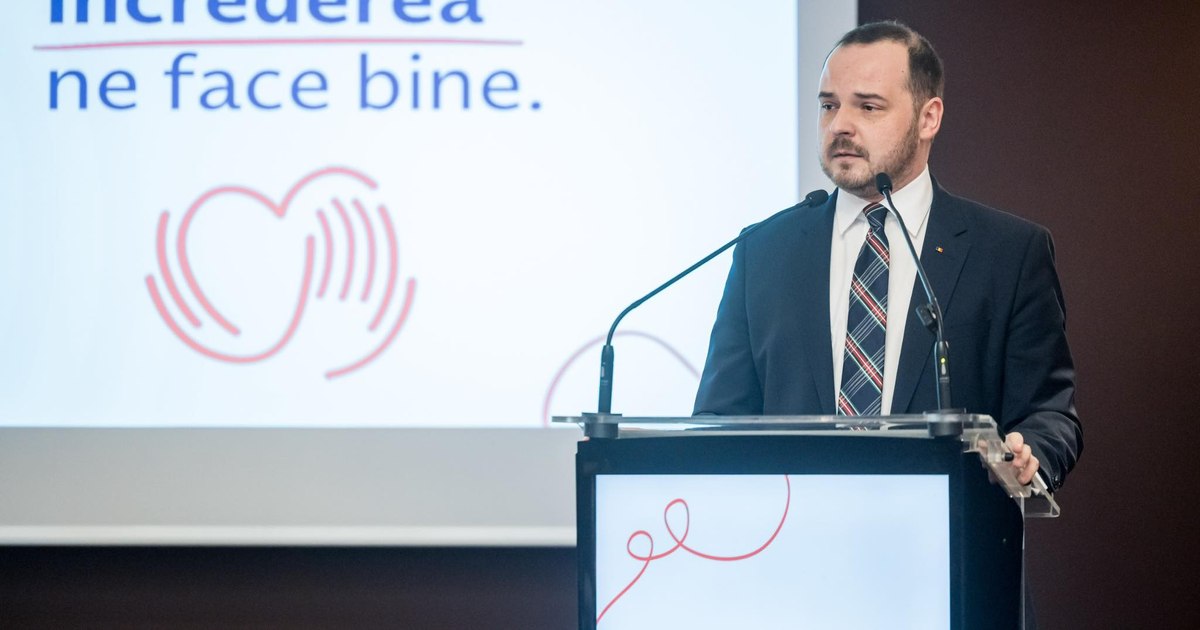
The Minister of Health, Alexandru Rogobete, announced, in a post on Facebook, the expansion of the national network of expertise centers for rare diseases (CEBR), by opening a new center in Craiova and recertifying the one in Timișoara.
The measure aims to improve patients’ access to rapid diagnosis, coordinated care and modern treatments, in a medical field marked by delays and lack of specialization.
Specialized centers for diagnosis and integrated care
The new center at the Craiova Emergency County Clinical Hospital is dedicated to the diagnosis and management of hereditary angioedema, a rare disease with severe potential.
In Timișoara, the center within the “Louis Țurcanu” Children’s Emergency Clinical Hospital focuses on rare vascular anomalies and long-term care coordination.
Both structures offer patients access to multidisciplinary teams, capable of managing complex cases and ensuring clear medical pathways.
Genetic conditions such as achondroplasia, skeletal dysplasias and congenital malformations are also targeted.
Advanced diagnosis and genetic counseling
Patients treated in these centers benefit from molecular and genomic diagnostics, advanced imaging investigations and specialized analyses.
Genetic counseling plays an essential role in shortening medical pathways, which in the case of rare diseases can take years.
With these two units, the national network reaches 52 functional expertise centers.
According to the minister, eight centers were introduced in less than a year, a sign of the acceleration of reforms in this field.
Expanded access to modern compensated therapies
The expansion of the medical infrastructure is supported by the updating of the list of compensated drugs.
Recently, 52 new drugs were added, including treatments for severe inflammation of blood vessels, rare blood diseases, hereditary forms of amyloidosis, autoimmune neurological diseases and rare genetic diseases of metabolism.
The Ministry of Health claims that these measures aim to build a coherent system, capable of treating rare diseases with rigor, continuity and respect for the patient.
