
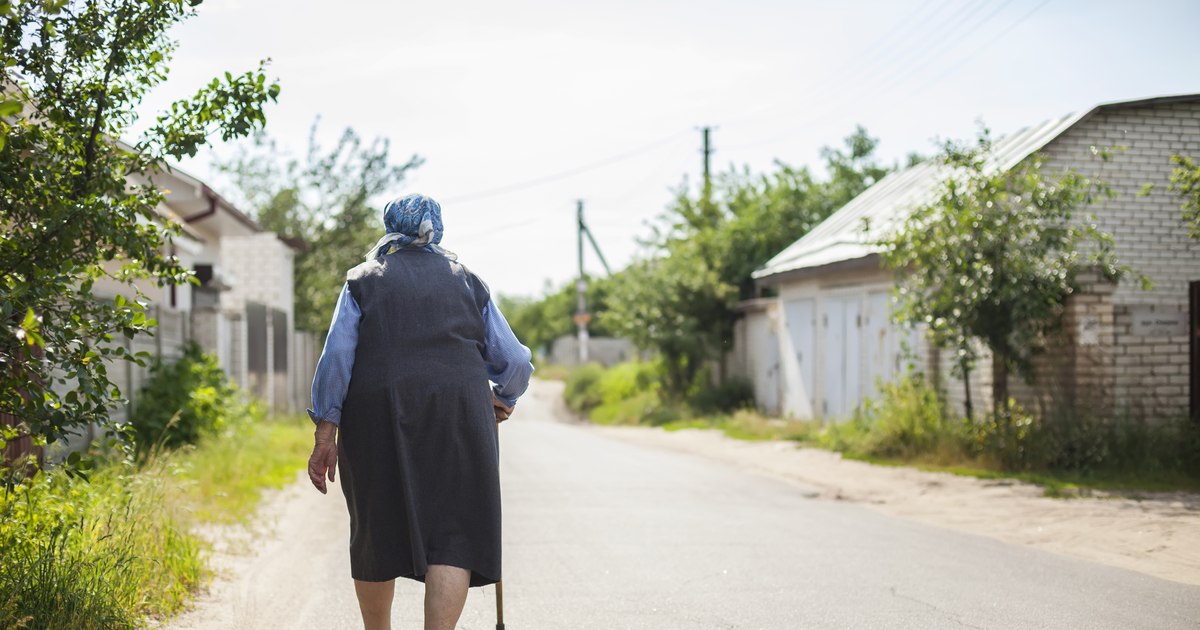
In recent years, the anger of the political class in Romania has fueing an increase in support for far -right figures from the rural environment, writes the US Associated Press Agency.
Photo: Shutterstock
AP also mentions that, in the 2024 elections, Călin Georgescu received strong support from the rural communities, as well as 43% of the votes of the Romanian diaspora, voters resonating with his calls to patriotism and the emphasis on faith.
The development of the country since 1989 has been quite unbalanced, the rural area remaining behind the cities, although 45% of Romanians live in the rural area, which is often devoid of jobs and basic infrastructure.
“It was better in the old days, we had where to work, we had trades. Now they are in retirement, but the young people who come have no jobs, have nowhere to work. They leave with the suitcases and the backpack … towards the foreign countries.”says Roth, who now remembers with pleasure the life of communism.
Even Monica Rosalea, 41 years old, works the land from home in Saschiz, village in Mureș, to cope with the expenses and works periodically in Germany.
“It’s hard because it’s not work … We all go abroad“She said.”We have children, how to raise them? We are obliged to leave them at home. The little money they bring from abroad, to spend everyone here … Everything is so expensive. “
Rosalea voted on Georgescu last year. “I didn’t choose him alone … Everyone voted with him. But then look what happened“She said.”Honestly, I don’t know who I would vote with now. There are no real options ”.
Also, Alexandra Todea, 23, who works at a local canned factory in Saschiz, says she resonated with Georgescu’s messages because he saw “the potential of rural areas”, Giving people the hope that things can improve.
“If the Romanian state would support us more, young people … then we would not need to go to another country to do something of us“She said. “We have potential, except that no one invests.”
The nationalist current, growing
AP writes about life in the Romanian rural area, represented by tradition, confidence and close connection between people, but faced with challenges: lack of opportunities, underdeveloped schools and low access to medical assistance. All this deepens the feeling of abandonment from the political class.
Simion, the leader of Gold, ranked fourth in the November presidential elections and is seen as his successor in the May elections, given that the polls show that it is the most favorite to enter the second round.
In the rural area, many Romanians still work the land, caring for their crops and animals.
“I only have three years of school“, Said shepherd Attila Agostun, 46, who never voted, while watching his flock that was grazing on the green pastures near the village of Cund, in Mureș.”All my life was with animals … I grew up there”.
The risk of poverty or social exclusion in rural communities in Romania is 45 %, with 26 percentage points higher than in cities, according to Eurostat.
Faith plays a central role in rural communities, where the Orthodox Church has a strong presence, offering hope.
In the town of Florești, on a bright spring day, the song of the birds fills the courtyard of Lilian Cosurean, 54, who says he is happy to live among forests and hills, which he calls “a small corner of paradise”, where slow tourism has brought some positive changes.
But he recognizes that the recent political turbulence divided people. “There seems to be a certain tension in the air and I hope to calm down for the sake of young people“She said. “I honestly hope that things will remain peaceful and will not break away.”
