
Emergency physician Tudor Ciuhodaru issues a warning on his Facebook page about the dangers associated with drinking beverages, such as beer and juices sold in cans. If the drinks are stored improperly, there is a risk of contamination with leptospirosis, an infectious disease that can be fatal.
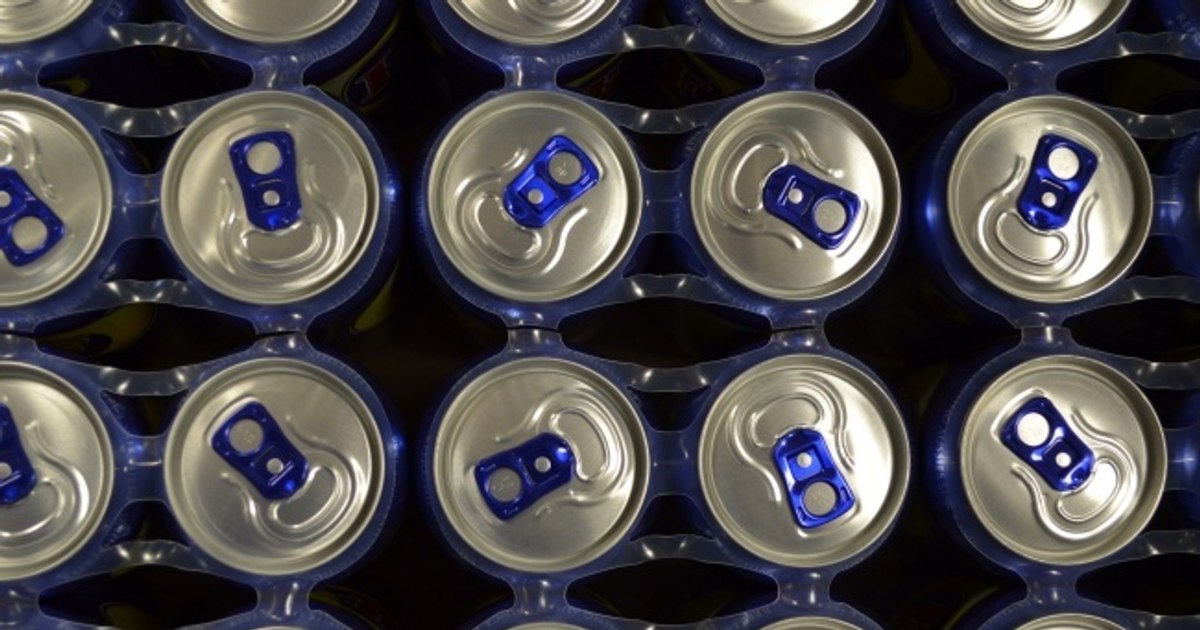
Cans of juice and beer can spread a fatal disease – Photo Archive
Dr. Tudor Ciuhodaru warns of a very serious disease that can be easily contracted by consuming drinks from improperly stored doses, for example, contaminated by rats.
“Any dose can be lethal. Many patients got this disease after drinking canned beer. Great attention to leptospirosis. Anyone can get this disease after drinking drinks (beer, juice) from doses improperly storedr (contaminated by rats).“, warns the doctor through a post on Facebook.
Leptospirosis is an infection caused by bacteria Leptospira, which can affect both humans and animals. It is transmitted to humans mainly through contact with the urine of infected animals such as rats, dogs, horses, pigs or cows. Infected animals can contaminate water or soil, thus spreading the bacteria.
Dr. Tudor Ciuhodaru shared 10 essential things we need to know about leptospirosis:
“1. It is an acute infectious disease, transmitted from animals to humans, which can be fatal. Hospitalization is mandatory. Receptivity is general but men are more frequently affected.
2. The incidence is increasing. 2.5 cases per 100,000 inhabitants were reported.
3. There are more and more recreational cases – due to swimming or walking barefoot in waters polluted with leptospires, water sports, trips to tropical countries. Contact with domestic animals should NOT be neglected either. The disease remains with a pronounced professional character, in those who work with animals or in marshy environments.
4. It has universal distribution. Peaks are recorded in the summer-autumn period.
5. The natural reservoir of infection consists of over 150 species of wild and domestic animals that can be affected. The most important is represented by rodents (rats and mice), but dogs, birds and fish can also be reservoirs for leptospirosis. The sick person can transmit the disease through urine, rarely transplacentally, during the disease.
6. Bacteria can survive for years in moist soil and warm, stagnant water, but they cannot withstand dryness. They are destroyed in a few seconds at 60 degrees C, in the acid environment, in chlorinated water and by UV.
7. Transmission to humans occurs most frequently through the contact of damaged skin or intact mucous membranes with soil or water contaminated with the urine of sick or infected animals. Another route of transmission is the digestive through the ingestion of contaminated food or water. Mother-fetus transmission is possible but rare.
8. The onset is sudden – flu-like – with chills, fever, headache, myalgias – after an incubation period of 2-20 days.
9. It evolves in 2 phases: septicemic and organic, separated by a period of 1-3 days of improvement. The septicemic phase can be confused with a virus (fever, headache, myalgias, conjunctival congestion, photophobia, congestive facies, rubeoliform skin eruptions) or with hepatitis at the onset (lack of appetite, nausea, vomiting with or without jaundice) . In the organic phase, the fever reappears and the symptoms related to meningeal, hepatic, renal damage are established. Severe ictero-hemorrhagic leptospirosis (Weil’s syndrome) progresses to hepato-renal failure with increased mortality.
10. Hospitalization and isolation are mandatory. Treatment is based on the administration of antibiotics. Severe forms require intensive care measures up to hemodialysis.”
How to protect ourselves from leptospirosis
The doctor emphasizes the importance of preventive measures and immediate actions in case of contact with leptospirosis to reduce risks and ensure appropriate treatment.
“1. Anyone can get the disease.
2. Do not unnecessarily expose yourself to risk. Avoid swimming and water sports or walking barefoot in areas with water polluted by animal waste.
3. Wear protective equipment, rubber boots and gloves when going into risk areas.
4. Skin lesions must be treated and bandaged with waterproof materials.
5. Wash your hands properly after contact with animals.
6. Polluted waters will be disinfected by chlorination.
7. Drinking water suspected of being contaminated shall only be consumed boiled.
8. Disinfection of utensils can be done with 2% sodium hydroxide solution.
9. DO NOT delay medical consultation when you notice the appearance of symptoms after coming into contact with water, soil or food with a high potential for contamination.
10. Hospitalization and isolation are mandatory.”
