
A study on the effects of Covid-19 on patients who had a severe form of the disease indicates an aging of the brain.
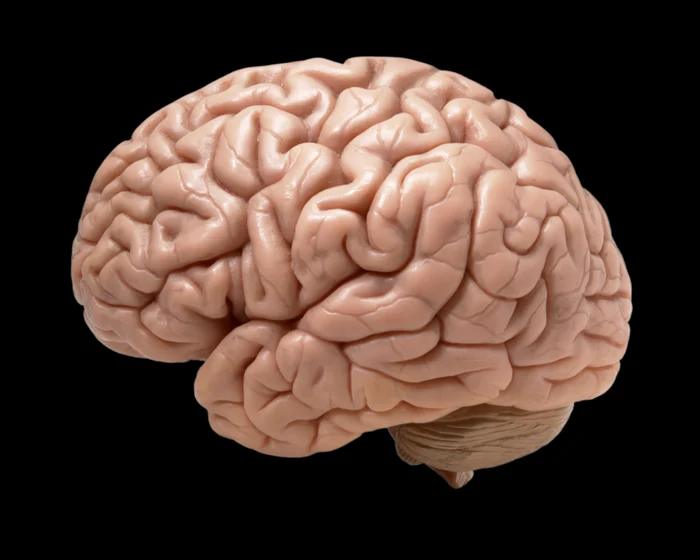
A study on the effects of Covid-19 on elderly patients indicates an aging of the brain
Two recent studies have once again warned of the risk of prolonged cognitive impairment one year after contracting Covid-19. The first, published at the beginning of October in the journal The Lancet, concerns young, healthy subjects who were voluntarily infected with the SARS-CoV-2 virus and who developed Covid. The second, published on September 23 in the journal Nature Medicine, monitored people with an average age of 54 who had been hospitalized with severe forms of Covid-19.
In both cases, the infection appears to have had a prolonged impact on cognitive faculties, although only slightly in the young, but more pronounced in the elderly patients. “Covid-19 is not always a simple short-lived illness: the infection can lead to long-term cognitive sequelae, even if probably only mild“, summarized Mahmoud Zureik, professor of epidemiology and public health at Versailles-Saint-Quentin University.
In fact, these are not the first studies to highlight this phenomenon. While SARS-CoV-2 has a strong tropism for the respiratory tract (nose, throat and lungs), it can also affect other organs: the microvessels, the heart, the kidneys, the digestive system and therefore the brain. But here the focus was not on examining the neurological complications that occur in the severe acute phases of the disease, such as stroke, delirium or confusion, neuromuscular disorders, etc., says Le Monde.
The SchitechDaily publication writes that this groundbreaking study revealed long-term cognitive effects in COVID-19 patients, comparing their post-recovery state to accelerated aging. The findings include decreased brain volume and increased brain damage proteins, highlighting the severe and long-lasting impact of the virus on brain health.
“Worrying result”
However, the study published in The Lancet does not mention cases of “Long lasting covid” in the case of young monitored patients, as the cognitive impairment – which can be measured objectively – is mild. Moreover, while the tests highlight these deficiencies, the patients themselves do not perceive them.
William Trender and colleagues from Imperial College and King’s College London recruited 34 volunteer participants, aged between 18 and 30, who were injected with a very small dose of SARS-CoV-2 (the original strain). Only 10 of them became infected, and the researchers were able to compare the infected group with the uninfected group. They were also able to assess cognitive function before and after infection.
“The result is worrying because these healthy young people show mild cognitive deficits that persist at least a year after infection”, summarized Lisa Chakrabarti, from the Institut Pasteur, Paris. “This damage is slight but significant. The higher the viral load, the greater the damageZureik added.
“These healthy young people, who agreed to be inoculated with SARS-CoV-2, are at risk of keeping mild neurological sequelaeyes, but persistent” remarked Chakrabarti.
