
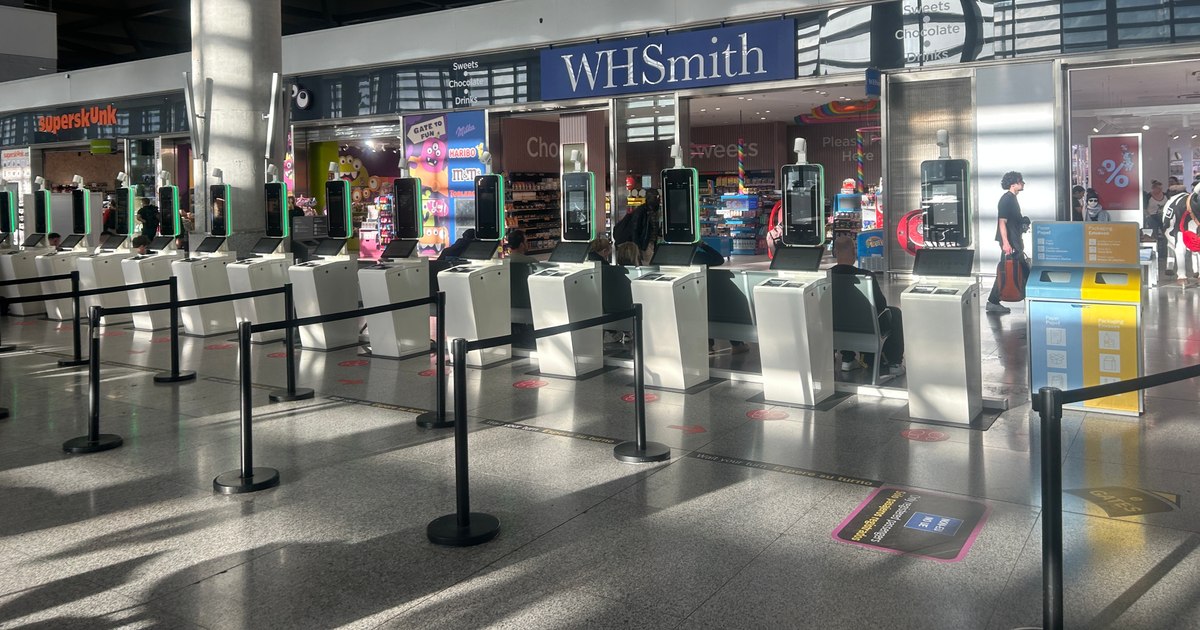
This summer’s holidays are marked by record queues at European airports, with the entry into force of the biometric Entry/Exit system (EES). Although the mandatory fingerprint and facial scanning only targets non-EU citizens, slowing checks by more than 70% risks blocking terminals for all passengers, who could lose connections due to unprecedented congestion at border gates.
The EES is a digital system through which the European Union records the entries and exits of non-EU citizens. It replaces passport stamps and collects biometric data such as fingerprints and facial photo.
Upon first entry into a participating country, travelers must have their fingerprints scanned and photographed. The data is stored for three years and is used to track movements and possible refusals of entry.
The system does not involve fees, but it is mandatory: those who refuse to provide biometric data will be turned away at the border. The program applies in most EU states, as well as in countries such as Norway, Switzerland or Iceland.
Already visible delays in airports
Although the aim is to increase security and make controls more efficient, the implementation of EES has led to much longer queues than usual.
In some European airports, waiting times reached up to four hours. Airports Council International warns that the system has increased processing times at border control by up to 70%, with waiting times of up to 3 hours at peak times.
The problem is compounded by the fact that biometric registration is only done at the airport, and even those already registered have to stand in the same queue for verification.
What tourists need to know
Travelers are advised to plan their itinerary carefully and avoid important appointments immediately after landing. Also, in the case of connecting flights, it is recommended to choose longer intervals between flights to reduce the risk of missing connections.
Authorities warn that the beginning of the implementation will be the most difficult, and the situation could become even more complicated in the summer season, when traffic is more intense.
Starting from the end of 2026, the European Union also plans to introduce the ETIAS system, an online travel authorization, for a fee, for non-EU citizens. This could bring new procedures and possible delays, especially during busy periods.
