
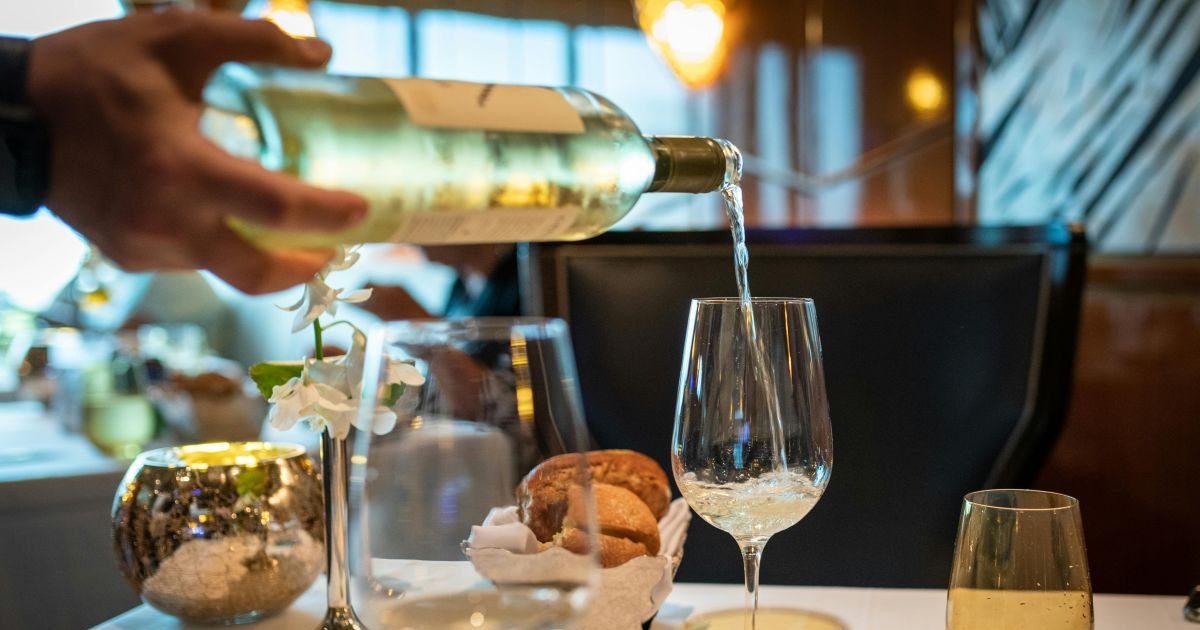
Any glass of wine here, paired with a creative pintxo snack and served al fresco is a delight.
Spanish wines are known worldwide PHOTO: Archive
Logroño, the capital of the La Rioja region in northern Spain, is first and foremost a city of wine. Perched on the River Ebro, the city sits at the crossroads of the Basque Country, Navarre and La Rioja, with many places bearing names in both Basque and Spanish – the winding border between the regions is almost indistinguishable, alternating valley with valley, field with field.
Logroño hosts the La Rioja wine harvest festival, which this year runs from September 20-26, and this part of Spain as a whole is wonderful in autumn, when the rows of vines turn ocher and bronze and the temperatures stay nice around 23C.
The city center is a pedestrian’s paradise, with car-free sections to wander through, guarded by the ruins of the 16th-century city walls and supported by the twin towers of the co-cathedral of Santa María de la Redonda.
Although the vast majority of wine in La Rioja is produced by just a few major brands, it is still possible to find artisanal gems.
“Our tour of the biodynamic Bodegas Moraza took us through vineyards that hold ancient secrets – we marveled at the still wine-stained stones where Roman winemakers once trod the grapes – and through the small village of San Vicente de la Sonsierra. La Rioja is rich in hilltop towns to explore, such as medieval walled Laguardia, with picturesque alleyways full of boutiques and restaurants. Above the cities, I was on the edge of the Balcón de la Rioja, right on the mountain ridge that separates the verdant Basque Country from the famous wine region. The blanket of clouds rolling off Spain’s northern coast would stop abruptly, dripping over the hills like candle wax, but drying before reaching the valley – an intriguing spectacle called the Foehn effect, which creates the perfect warm and dry microclimate for the red grapes in the area to develop”, according to telegraph.co.uk.
A sleepy town in the heat of the day, after sunset, the streets of Logroño fill up with hungry, slightly groggy people ready to eat all night and drink a good glass of evin.
“I quickly learned the method of claiming an empty table as soon as it became available, ordering at the bar and carefully balancing two glasses of impossible-to-buy wine with arms full of creative pintxos. We ate piles of patatas bárbaras (a take on the classic bravas, with skin-on potatoes) and beef cheek with truffles at the quirky Umm No Solo Tapas, tuna crostinis and cod roe at foodie favorite Tastavin – which won a Bib Gourmand in Last year’s Michelin Guide – and ham and cheese croquetas at every stop. I always ordered in Spanish; I rarely heard English spoken in Logroño. I only met one other traveler from the UK who was sitting in a cafe. “Isn’t it great,” she asked me, “not to see any Brits?” And so it was; we learned a wonderful secret while sipping our glass of rioja that costs one euro”, says a visitor.
How to get there
Logroño is around 90 minutes’ drive from Bilbao, the nearest international airport (flights from the UK from £14.99), or two and a half hours by slow but scenic train.
To get the most out of La Rioja, it’s best to hire a car. However, there are various local bus services between major cities and tourist villages for those who wish to avoid driving the winding mountain roads. Taxis are readily available in Logroño, but it’s best to book in advance to get home from winery tours.
