
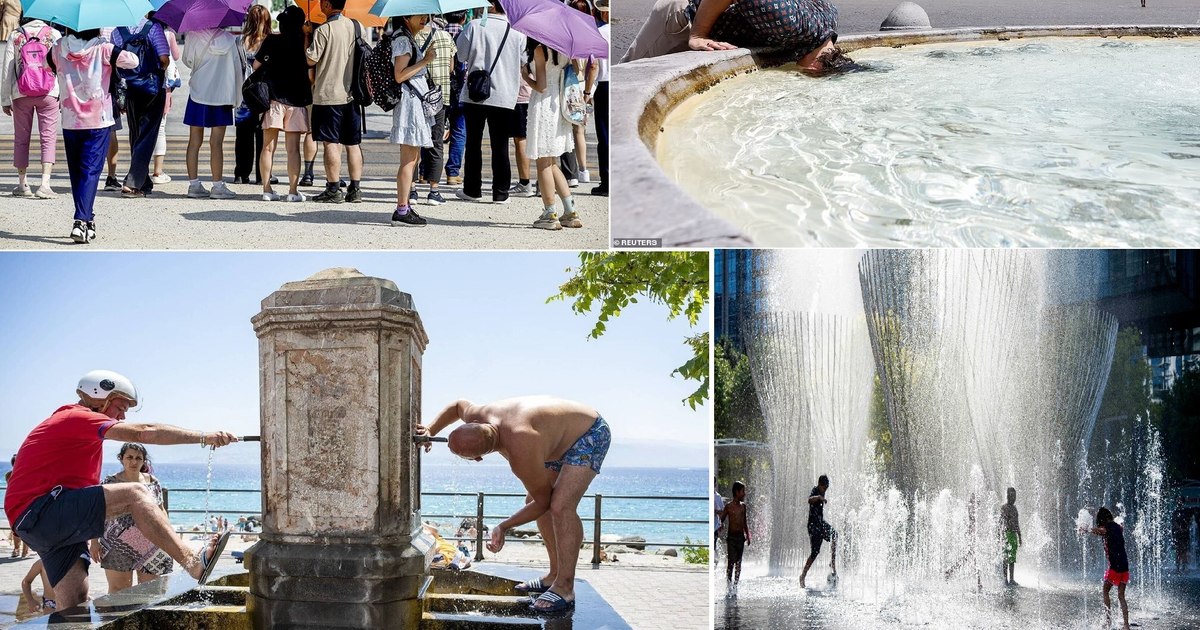
Heatwaves are wreaking havoc around the world, which is why more and more people are considering canceling their vacations during this time. But there are a few things that could save your vacation.
Tips to avoid a failed vacation during hot periods Collage
There are a few things you should consider if you’ve planned a holiday or long-haul trip during periods of extreme temperatures and in high-risk areas for this reason, to protect yourself and your holiday money / trip. Especially since a hot summer is still being announced, with extreme and prolonged heat waves, forecast in many areas both in Europe and the United States, or in other areas of the globe.
Sweltering conditions could affect millions of travelers and wreak havoc on holidays in some of the world’s most popular tourist destinations.
Several heat-related tourist deaths have already been reported in Greece and Saudi Arabia in June 2024, following extreme temperatures in the Middle East and Aegean regions. Even those who have booked trips to traditionally cooler places may not be spared the summer heat due to the increasing unpredictability of the weather pattern.
Here are some travel tips, vacation tips on how to manage heat issues when traveling to a heat affected area.
Document yourself thoroughly before you hit the road
If a heat wave is announced in the area of your destination, it is advisable to check government websites before you travel. This way you will have enough time to plan and adapt.
In the event of extreme temperatures, governments often issue heat advisories, advising people to stay indoors during peak times and providing resources or facilities to help residents and visitors prevent heat discomfort.
In the United States, for example, there is a dedicated national integrated system that provides health information during hot weather through a website to prevent illness and death.
Tourist attractions also provide important updates on conditions at tourist sites, including any scheduled closures as a precaution, as has been the case for several years now in Athens, the Acropolis, and other areas of the world that have faced with excessive temperatures, such as Los Angeles, Miami, or Melbourne.
Special persons have been appointed here to head emergency committees in such cases.
Avoid sun exposure during peak hours
It may seem obvious, but standing outdoors for extended periods of time when the sun is at its peak can put many people at risk from the heat. Even if the temperature is not extremely high, dryness or humidity can make the environment seem hotter than it really is.
Travel consultants adjust their itineraries, putting sightseeing in cooler mornings and evenings, and book tickets for their customers so they don’t have to wait in long lines.
“We tend to do activities and tours in the morning, then stop for lunch, and in the late afternoon everyone can choose to go back to the hotel, hang out at the pool, or go to the beach.”explains Gary Portuesi, the representative of a travel company in New York, specializing in Europe, quoted by the New York Times.
Deaths from excessive temperatures among tourists
Hiking in the middle of the day is also not recommended. On June 5, 2024, a British journalist, Dr. Michael Mosley, died during an afternoon hike, despite thermometers reading 40 degrees Celsius, on the Greek island of Symi (Simi) in Greece. Four other people, including an American, recently died in Greece as temperatures continued to rise.
“I would always recommend hiking with a licensed local guide and never alone. Of course, avoid the hottest hours of the day. Hike very early in the morning. And always stay on marked hiking trails”also mentioned Franziska Basso, a travel consultant in Milan.
In some European cities, including Paris and London, air conditioning is not guaranteed, so it would be wise to check if this facility is available before booking a hotel, restaurant or transport to ensure you have a cool place to stay you take refuge from the torrid heat. Visiting a museum or other indoor attractions is another good option, but be aware of rush hour crowds.
Stay hydrated and take the example of the locals: enjoy the siesta
Dehydration and heatstroke are among the most common causes of hospitalization during hot weather. They can be prevented if you stay hydrated and limit your alcohol consumption!
During meals, consider eating refreshing foods such as: watermelon, cucumber and celery, as they can help keep you hydrated throughout the day.
Always have a bottle of water with you and consider a parasol and portable fan to keep you cool and shaded when you’re outdoors.
Even if your itinerary is full of activities and tours, the heat can take a toll on your stamina, so consider the European siesta ritual, enjoying rest and a short nap.
“I tell my clients to adjust their itineraries and take advantage of the afternoon siesta and then schedule their tours later when it’s cooler. There’s a reason why people in Spain and Italy, for example, have been taking the siesta for generations. Walking in the lunchtime heat and waiting in line could seriously affect some people.” Sarah Johnson, a luxury travel consultant from Pennsylvania, also acknowledged.
Wear cool clothes
Specialists recommend wearing light, loose and light-colored clothes during hot periods. Also, hats and sun protection, to protect your face and scalp from harmful UV rays, should not be missing from your luggage.
Just because it’s hot doesn’t mean it’s going to be dry. Heat waves can also bring torrential rain, so be prepared!
“The wisest advice I can give travelers is to be prepared for any situation – hot or cold, dry or wet, because you never know. It’s good to have clothes with you for any situation”also recommended Maryland travel agency owner Laurel Brunvoll.
Opt for flexible travel
Even after taking all the right precautions, traveling during a heat wave can be unpleasant. That is why it is advisable to opt for flexible bookings and purchase travel insurance with the possibility of “cancellation for any reason” to be able to postpone the trip, if necessary, for a cooler period.
