
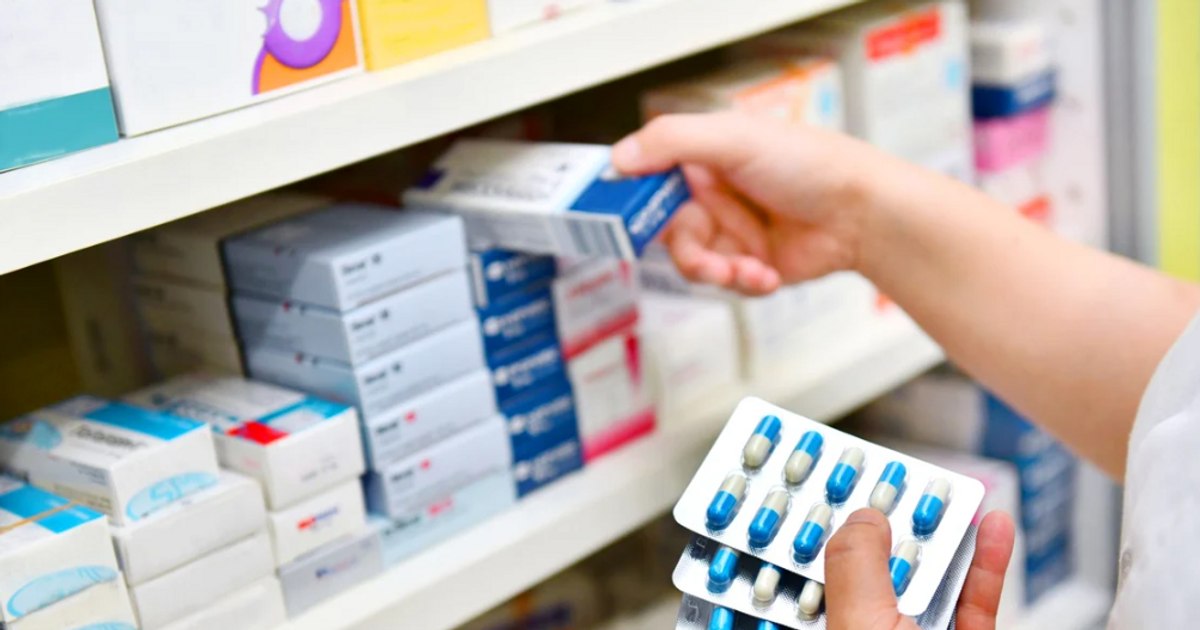
A doctor warns: paracetamol and ibuprofen, two of the most used analgesics, can cause serious liver, kidney and gastric ulcers if used too frequently.
The drugs we usually take to the cold can be dangerous / photo source: Archive
Two famous drugs that Romanians rely on when they cool can become dangerous
Two of the most commonly used analgesics without prescription could endanger people, liver failure and kidney lesions, warned a top doctor, according to dailymail.co.uk.
Dr. Dean Eggitt, family doctor and CEO of Doncaster Local Medical Committee, warns patients not to take paracetamol (also known as acetaminophen in some countries) and ibuprofen more than occasional, saying that they can cause serious damage.
He said: “All these simple drugs, released without a prescription, can be fatal if taken in wrong doses-and some, such as paracetamol, even in a week. It is a huge problem and people do not recognize the risk.”
Paracetamol and ibuprofen – daily used by millions of people to treat from headaches to fever – they are safe if administered correctly.
Exceeding the recommended dose can cause permanent lesions of vital organs
But even the easy exceeding of the recommended dose during a week, not only in one day, can cause permanent liver and kidney injury, Dr. Eggitt warned.
He explained that the danger associated with ibuprofen – a non -steroidal anti -inflammatory (NSAIDs) used to relieve pain and fever – comes from how the drug is processed by the body, irritating the mucosa of the stomach and increasing the risk of gastric ulcers.
“Analgesics such as ibuprofen are designed to reduce inflammation, but in fact they only irritate the stomach, increasing the risk of painful ulcers, which in some cases can lead to peritonitis.”
Peritonitis occurs when the stomach mucosa becomes infected, which can be caused by the intense use of analgesics.
Untreated, this condition can endanger life. The peritoneum covers the internal organs, including the kidneys, liver and intestine, which can be damaged when the mucosa is infected.
This most often occurs as a result of a gastric ulcer to break – which can result from the regular use of anti -inflammatory.
Dr. Eggitt added: “I do not remember when I last took a prescription analgesic, like ibuprofen – it is terrible.”
“The problem with painkillers is that often the real problem, delaying the diagnosis of serious health conditions”he continued.
People take paracetamol “like candy” because it is easy to buy from anywhere
And in terms of paracetamol, its verdict was similar.
He explained that the problem is how people take paracetamol and how it is processed by the liver.
“People believe that paracetamol is harmless because it is easy to buy, so I take it as candy. But even if you do not exceed the recommended dose in a day, you can still do overdose.”he said.
When paracetamol is decomposed into the body, it produces a by -product called Napqi.
At low doses, this toxic product can be neutralized by a protective substance called glutathione.
But at high doses, the liver can be overwhelmed – a permanent liver failure, caused by delayed overdose.
There is an increasing concern related to the increase in the number of cases of liver disease, which have increased by 40% in the last two decades.
Dr. Eggitt said: “We see too often people present with jaundice – an obvious sign of liver damage – leased by delayed overdose, when patients took up to 10 doses of paracetamol per day, for a week, exceeding the recommended dose.”
Untreated, severe liver lesions and healing can lead to cirrhosis, leaving patients in need of liver transplant.
Some drugs taken repeatedly can mask the symptoms of more serious diseases like cancer
Another prescription drug that Dr. Eggitt criticizes is the loperamide – used to treat diarrhea.
It can provide immediate short -term relief, reducing the number of uses of the toilet and strengthening the seat.
It works by slowing down digestion, allowing the body to absorb more water from the intestine.
However, Dr. Eggitt warned that long -term use could mask the symptoms of colon cancer, which can be fatal, especially if diagnosed in advanced stages.
“People who rely on loperamide can actually delay the diagnosis of colon cancer, which can prevent saving treatment until it is too late.” explained Dr. Eggitt.
About 90% of patients with colon cancer who discover the disease early, at stage 1, survive at least five years.
But once the cancer has spread, the prognosis is much darker, with only 10% of patients diagnosed in stage 4 surviving at least five years after diagnosis.
Colon cancer is the second main cause of cancer deaths in the UK, with 16,800 people dead annually.
And the cases seem to grow among people under 50.
Although the disease has long been associated with obesity, experts have noticed that they also affect healthy and active people.
Thus, some experts blamed the environmental factors to which young people are exposed more than the previous generations, including ultra -vocated, microplastic foods and even exposure to e.coli in foods.
There are about 2,600 new cases of colon cancer in people between 25 and 49 years old in the UK and about 44,100 new cases in all ages.
Overall, just more than half of colon cancer patients expect to be alive 10 years after diagnosis.
Romania, the anxious patient with the bag full of pills
In Romania, the drug closet has become the new room. We have pharmacies at every corner, refrigerators filled with syrups and parents who put a nurofen in the palm at the first cough. On Reddit, strangers wonder, psychologists speak of collective anxiety, and statistics confirm.
“If Romania would enter a psychotherapy office, it would sit on the couch, remove a handful of pills and say,” I don’t feel good, but I take something and pass. ” It is the symbolic image of a society that has been living for decades in a chronic state of anxiety and has found a simple reassuring mechanism: pharmacies at every corner and cabinets full of drugs ”,explains Clinical psychologist Laura Găvan for “Adevărul”.
