
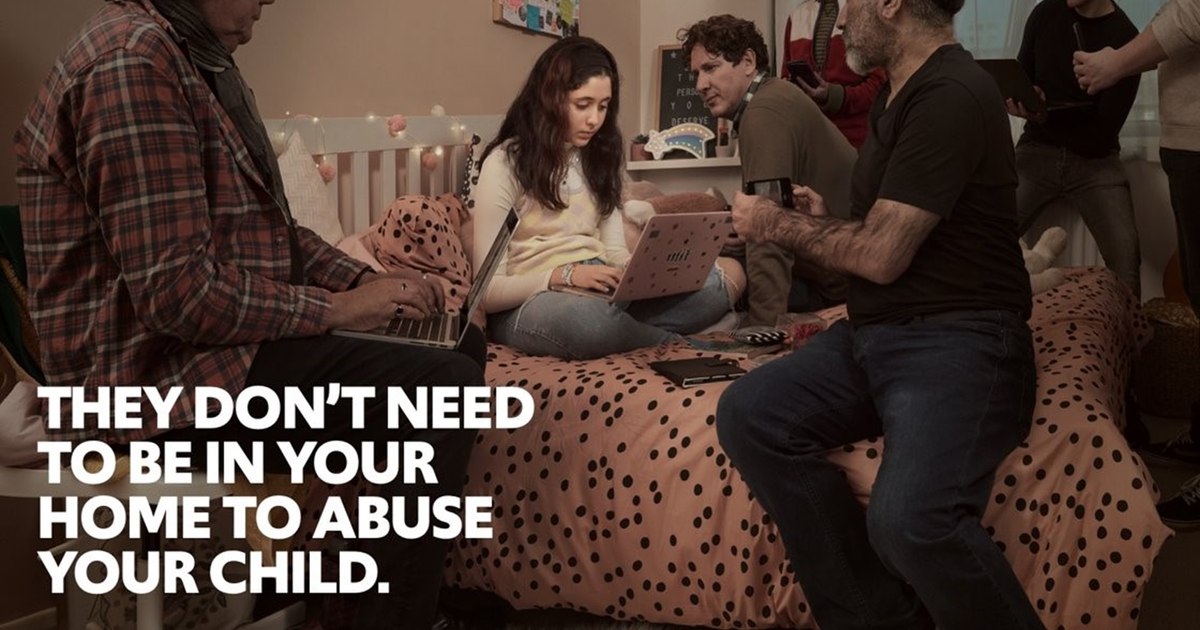
In recent years, an increasing threat hates the internet, and victims are not just abstract numbers or images – they are real children, even if they are not directly involved. It is about the images generated by artificial intelligence (AI), extremely realistic, which recreates sexual abuse on children. These images are not authentic photos, but they are so convincing that they become almost impossible to distinguish from reality, even for experts in the field.
Online explosion of sexual abuse against real children or generated by IWF photo
A recent Internet Watch Foundation report (IWF – a non -governmental organization in the UK, dedicated to protecting children from online sexual abuse), has reported an alarming 380% of illegal materials generated by AI represents sexual abuses on children, in 2024, compared to the previous year, according to The Guardian.
Nearly 250 complaints were recorded last year (compared to 51 in 2023) alone in the United Kingdom, and they targeted over 7,600 images and numerous videos with extreme abuse scenes, from acts of sadism to penetrative sexual violence. These images, although fictitious, are created and distributed to feed the dangerous fantasies of individuals that consume this type of content.
Romania, on the map of online sexual abuses, simulated by AI or real, on children
In total, however, Internet Watch Foundation identified over 291,000 online materials that contained, promote or redirect to children’s sexual abuse – an absolute record. These included both content with real victims and artificially generated materials (AI), both framed as illegal and deeply harmful. Moreover, 97% of these confirmed cases, in which the sex of the victims were determined, involved girls, reflecting a serious imbalance in the dynamics of online sexual exploitation.
More worrying is the fact that over 62% of these materials were hosted on servers in the European Union, showing how widespread the phenomenon is even in developed countries. Romania (See video)according to the IWF report, it occupies an alarming place in this ranking, being in the third position, immediately after the Netherlands and Bulgaria, according to the same report. This reality reveals not only a regulatory problem, but also a lack of effective reaction to the illegal content that circulates on European servers.
What does the technology do so dangerous
Even if these images are not of real children, their psychological and social impact is devastating. First, they feed abusive behaviors. People who consume this type of material can become more tolerant of sexual violence and can believe that abuse is acceptable. In addition, these images create a dangerous culture of normalizing online sexual abuse.
Moreover, this technology not only endangers the imagined victims, but also contributes to an increased vulnerability of real children. The creation and distribution of abusive images generated by AI represents an indirect incitement for criminals – pedophiles – which could proceed to concrete actions, especially for those who are attracted to this content and seek to satisfy their abusive desires on real children.
How children are affected by these “digital nightmares”
Although not directly involved in creating these images, children are still victims of a dangerous technological exploitation. For example, AI can be used to create false images that depict children in scenes of abuse, and this material can reach the Internet, spreading quickly and having a devastating impact on perception about online safety. In addition, there is a risk that these images will be used to blackmail children through cases of sexitor, where they are manipulated or threatened to send intimate images.
What is done to combat this threat
To combat this issue, the British government has introduced new laws that illegally make the creation, possession and distribution of illegal material generated by AI, starting with February this year.
Also, in an effort to protect children, Internet Watch Foundation (IWF) has announced that it will provide a free tool for smaller sites- Image intercept (See video above)which can detect and block illegal images, including platforms that do not have the resources needed to protect themselves effectively.
Online Safety Authorities and Organizations Short an alarm on the fact that online threats are constantly evolving, and what begins as an “Digital nightmare” can get to have devastating effects in the real world.
Therefore, it is vital that online spaces become safer for children, and in this sense, technology should be used as an ally in protecting the vulnerable ones, not as an instrument of abuse.
