
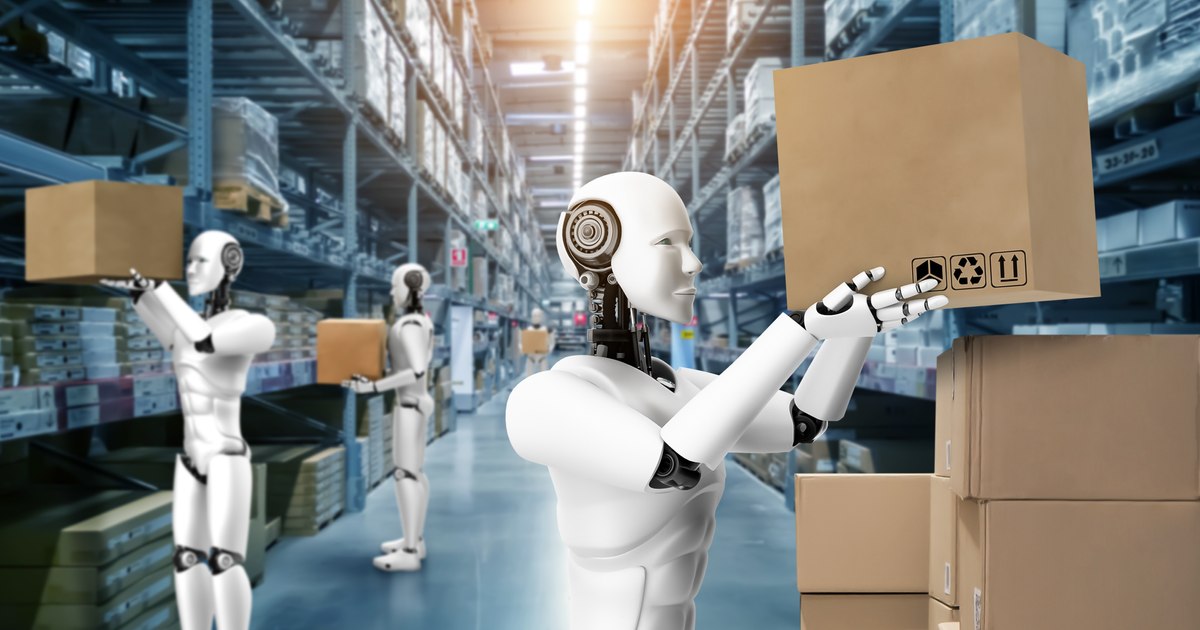
The company Figure has a humanoid robots capable of performing physical tasks, understanding spoken orders and even interacting with people.
Humanoid robots could be implemented in the photo mass: Figure Ai
In the next four years, the United States will launch 100,000 humanoid robots that will work in factories, warehouses and other sectors, reports Union Rayo.
Figure AI, led by Brett Adcock, has already concluded chords with large companies to implement their robots in the industry. Although the name of its new business partner has not been revealed, it is known that its technology has already been tested in BMW factories, where it has been successfully integrated into car production.
These agreements are important because, in practice, they represent a first step for these robots to begin to be produced, their production costs are reduced and accelerated so that they are implemented in the world as soon as possible.
Figure you have managed to make their robots much smarter. Their robots can now learn and make decisions on their own easier and without relying so much on predefined orders. With this new progress, they can process information, learn and improve their answers alone.
This was named by Brett Adcock, the founder of the company, as “pure magic”, because the technology has advanced so quickly that robots improve their ability to understand and respond in record time.
And the most advanced model is figure 02, designed to understand the instructions, to move with agility and work. Its most impressive features include: rooms and sensors for detecting obstacles, advanced hands that allow them to keep objects with precision, speakers and microphones to interact with people and a brain with artificial intelligence, capable of learning and improving in Time, mentions the quoted source.
There are 100,000 robots proposed to reach various industries, and the way they have an impact on the technological sector will depend on how their integration is managed.
Thus, it is expected that, in principle, these robots will be able to take over dangerous or physically demanding tasks. But this also raises the question if the technology could get to replace the human workers and where will they go?
Although automation will not mean the end of human work, it will certainly force many people to adapt and specialize in new fields of activity.
