
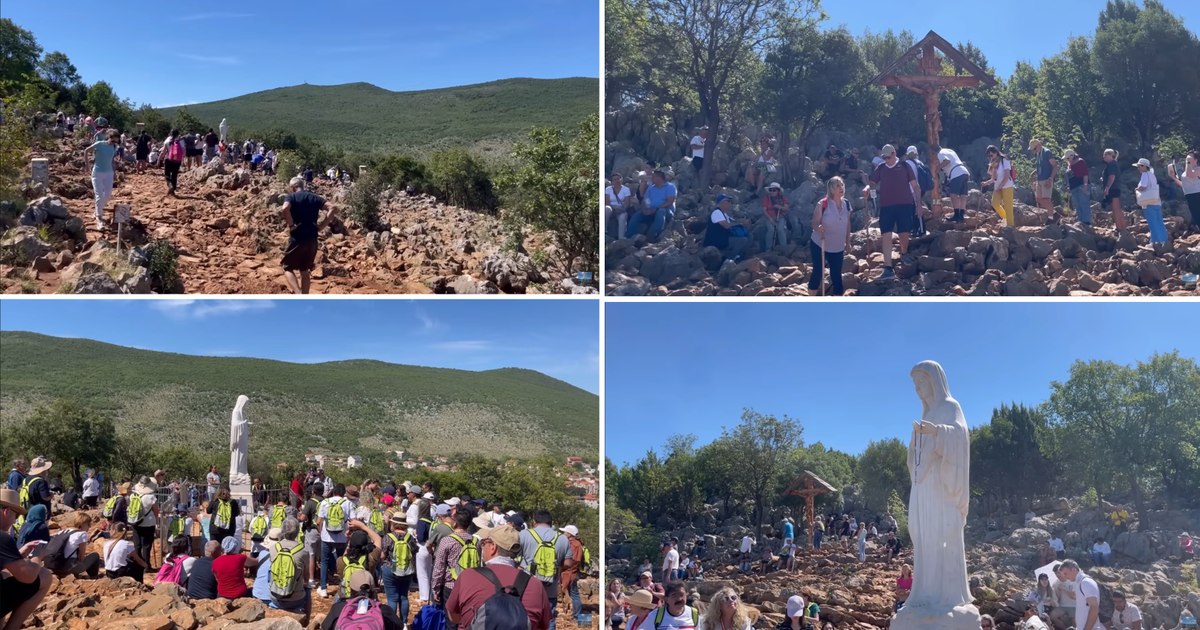
The Vatican has authorized public prayers and rituals at Medjugorje, recognizing the positive impact on the faithful who participate in these devotions. However, this decision does not confirm the authenticity of the supernatural phenomena related to the apparitions of the Virgin Mary.
In June 1981, six children and young people stunned the world after they shared that the Virgin Mary had appeared to them on a rocky hill near the village of Medjugorje, Bosnia Herzegovina. Back then they were between 10 and 20 years old. They claimed that the Virgin entrusted them with several secrets – warnings (ten) and asked them to pray for the sick, unbelievers, but also for families, young people and priests around the world. A documentary on the subject has been posted on YouTube (SEE VIDEO).
The group, named later “The Visionaries”claimed to have continued to have visions either daily or annually, stating that the Virgin Mary frequently returns to Medjugorje, Bosnia. This claim has attracted millions of believers from all over the world, turning the small village into an important place of pilgrimage.
Controversy arose shortly after the appearances began. Thousands of believers have claimed to have found spiritual solace in Medjugorje, inspired by accounts of miraculous healings, conversions and religious vocations. They declared themselves convinced that the place has a special power, which attracts those in search of faith and hope. On the other hand, skeptics believe it to be a hoax, due to the surprising regularity and duration of the divine apparitions.
After years of investigations, analysis and statements, the Vatican recently issued a statement that attempts to “concludes a long and complex history” related to the “miracles of Medjugorje”. After decades of controversy, the Papacy has decided to authorize pilgrimages in Bosnia, thus opening a new era for this sacred area. The decision reflects the Vatican’s respect for popular devotion, but without confirming the supernatural nature of the apparitions.
Pilgrimage to Medjugorje Bosnia following apparitions of the Virgin Mary Collage YouTube
“The faithful are not obliged to believe in the apparitions of the Virgin Mary”
The Vatican gave the green light to the pilgrimage. The document signed by Cardinal Víctor Manuel Fernández, the leader of the doctrinal office, did not, however, validate the visions as supernatural.
In other words, despite the positive results and beautiful spiritual experiences in Medjugorje, the Catholic Church does not guarantee the authenticity of supernatural events, but recognizes that the phenomenon benefits believers who “they are not bound to believe in apparitions (of the Virgin Mary)”.
Cardinal Fernández also pointed out that the last three popes have recognized the positive impact, showing respect for this form of faith that has gained popularity worldwide, and he also mentioned that Pope Francis does not intend to discuss the supernatural nature of these visions, considering that the authorization the pilgrimage is enough.
“It is absurd to recognize the positive effects, but not to clarify their source”
As for the visionaries, the document also notes that the Vatican does not “a judgment on the moral life of alleged visionaries.” Also added: “pilgrims going to Medjugorje are strongly advised to accept that pilgrimages are not made to meet visionaries, but to have a spiritual experience and attend a Mass.”
An author and journalist with two books on Medjugorje, David Murgia, noted that the Vatican’s decision will disappoint those who hoped for clarification from this forum: “Many who come to Medjugorje are convinced that the Virgin appears for real. It is absurd to acknowledge positive effects but not clarify their source. It’s like saying the fruits are excellent, but you don’t have the certainty that the tree exists.”
The Catholic Church has changed its approach to miracles, compared to Fátima and Lourdes
The Catholic Church has changed its approach to the miracles of Medjugorje compared to those of Fátima and Lourdes.
Investigations into the miracles at Medjugorje have been largely inconclusive. The studies carried out by the Mostar-Duvno Diocese and the former Yugoslavian Episcopal Conference did not bring clear results. Also, the conclusions of the commission led by a high-ranking cardinal from the time of Pope Benedict XVI have not been published to date.
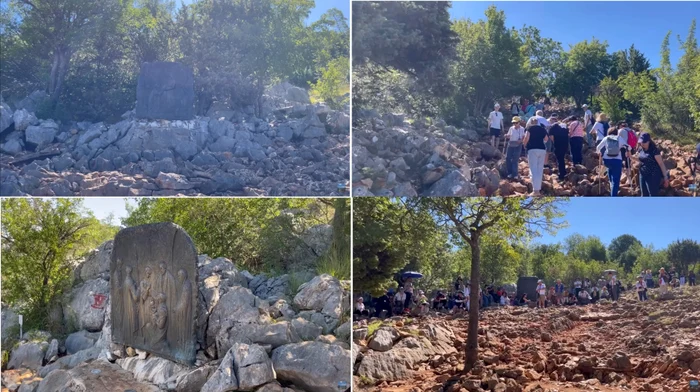
Pilgrimage to Medjugorje Bosnia following apparitions of the Virgin Mary Collage YouTube
The Vatican recently changed the criteria by which it evaluates such “miracles”, establishing that the Church will no longer recognize the supernatural origins of such faith-related events, unlike the approach taken in the Fátima and Lourdes cases.
In Fátima, Portugal, in 1917, three children also claimed to have had visions of the Virgin Mary who gave them messages of prayer and conversion. The Church recognized the apparitions as authentic in 1930, and Fátima became an important place of pilgrimage, with a dedicated sanctuary.
And in Lourdes, France, in 1858, a young woman shared that she had 18 visions of the Virgin Mary in a grotto. And in this case the Church recognized the apparitions, in 1862, and Lourdes became an emblematic place for pilgrims seeking spiritual and physical healing.
Both places are now famous for visions of the Virgin and have been approved by the Catholic Church as signs of faith and devotion.
In the case of Medjugorje, the Church will allow a local bishop to recognize and promote the benefits “spiritual phenomena”.
Controversy persists
Skeptics of the Medjugorje phenomenon have accused the exploitation of visions for financial purposes, amplifying a pre-existing conflict between local hierarchies. And Cardinal Fernández admitted that a priest close to the visionaries was removed from the clergy for “moral and sexual deficiencies”.
The Vatican also confirmed that nearly a million pilgrims visit Medjugorje annually, which has transformed from an agricultural village into a tourist destination.
Although there is no sanctuary yet, the bishop of Mostar-Duvno did not rule out the possibility of building one after the recent decision of the Vatican.
Another important change is that messages purporting to be from the Virgin Mary will no longer be automatically published, as before, on the parish website, without the authorization of a Vatican official.
