
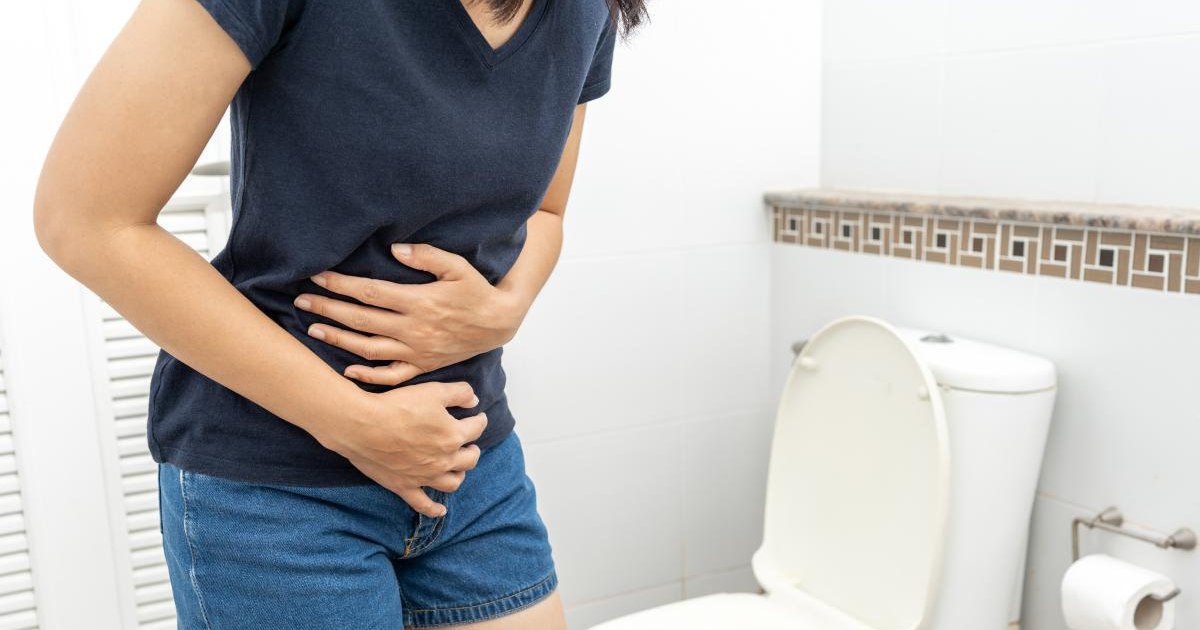
The hot season is often associated with relaxation, holidays and outdoor tables, but from a medical point of view, this period also comes with a significant increase in the incidence of digestive disorders. High temperatures, poor hygiene, insufficiently prepared or preserved foods under improper conditions and water consumption from insecure sources favors the appearance of pathologies with infectious and sometimes severe evolution.
Photo archive
Dr. Mihai Musa, specialist gastroenterology, explains to us what conditions are more common in the hot season and how we can prevent them.
As the doctor explains, one of the main pathologies involved are food poisoning. The most common causes are contaminated foods (thermally unprepared or improperly kept), contaminated water (wells, rivers, swimming pools) as well as precarious hygiene and kitchen utensils. Are caused by bacteria like Salmonella, E. coli, Campylobacter or Listerwhich develops rapidly in foods kept under improper conditions.
The main sources of Salmonella I am: raw or insufficient eggs Preparations-including homemade mayonnaise, creams, mousse, chicken and turkey-incompletely cooked, unpasteurized dairy-milk, cheese, Raw fruits and vegetables – if contaminated during handling, pastry with raw egg pastry (eg tiramisu).
About Escherichia coli We need to know that certain stems can cause dangerous toxins, causing severe diarrhea and sometimes renal complications. Frequently contaminated foods are: insufficiently cooked beef minced, raw fruits and vegetables – especially green salad, spinach, cabbage, contaminated during infected water, raw milk and unpasteurized dairy products, unpasteurized juices – apples, carrots, etc., contaminated water – contaminated water, from the fountains.
Campylobacter It is one of the most common causes of bacterial diarrhea in the world. Frequently contaminated foods: Poultry meat (chicken, turkey) raw, unpasteurized milk, raw or poorly cooked organs, raw vegetables contaminated by contact with raw meat, liquids, Untreated water from natural sources, raw milk.
Listeria monocytogenes It is especially dangerous for pregnant women, newborns, elderly and immunocompromised people. Frequently contaminated foods: soft and matured cheeses – Brie, Camembert, Feta, Gorgonzola, processed meat – parizer, twin, ham, if they are not reheated before consumption, Smoked fish – salmon, mackerel etc; Pasts and liver paste, Packed salads, pre-swollen, Milk and unpasteurized products, liquids: soups or sauces kept inappropriately cold.
As the doctor explains, the symptoms appear rapidly, 2-6 hours after ingestion, and include: intense vomiting, severe abdominal pain, diarrhea, fever. It generally lasts 2-3 days.
In the case of food poisoning, prevention is very important: careful washing of fruits and vegetables, avoiding the consumption of raw or insufficiently prepared foods, keeping food in the fridge, especially meat, dairy, eggs, washing hands with water and soap before meal and after the toilet.
If
Symptoms persist for more than 2-3 days or blood appears or there are signs of severe dehydration (dry mouth, dizziness, decreased amount of urine) you should present to the doctor.
Another pathology is acute enterocolitis (of infectious cause). Frequent causes: contaminated foods (correctly unprepared or improperly preserved), contaminated water (fountains, rivers, swimming pools), precarious hygiene of the hands and kitchen utensils. Pathogenic agents involved: bacteria (Salmonella, E coli, Shigella, Campylobacter, Yersinia, Yersinia difficile), viruses (adenoviruses enteric, Norovirus, Rotavirus), Parasites (Giardia Lamblia, Entamoeba histolytica, Cryptosporidium)
Symptoms such as aqueous or mucus diarrhea, abdominal pain, cramps, nausea, vomiting, fever, chills (especially in children and the elderly) may occur. It generally lasts 3-7 days.
Viral gastroenteritis It is transmitted very easily through direct contact with infected persons or by consuming contaminated foods/liquids.
Viruses involved: Norovirus (very contagious, frequently in communities and cruise ships), rotavirus (more frequently in children).
Symptoms:
Nausea, vomiting, aqueous diarrhea, muscle pain, fatigue.
It should be noted that viral gastroenteritis It is not treated with antibiotics! The main treatment is hydration and digestive rest.
Against stress, chaotic nutrition, excess alcohol and coffee consumption, summer can Reactiva chronic digestive problems such as: irritable bowel syndrome (IBS), chronic gastritis or gastroesophageal reflux (GERD), Crohn’s disease or ulcerative colitis. Patients may observe the aggravation of symptoms (bloating, pain, gastric burns, alternating diarrhea with constipation).
General recommendations for a summer without digestive problems:
– Hydrate properly- plain water, teas, light soups
– Avoid consuming street foods in unsafe places
– Attention to the hygiene of the hands
– Do not leave food cooked at room temperature for more than 2 hours
– Avoid combining fat, alcohol and sweets
– If you have chronic digestive diseases – take your medication and consult your doctor before traveling.
