
A man who follows a carnivorous diet has developed a serious condition. Blood tests showed that the patient had cholesterol about four times higher than normal.
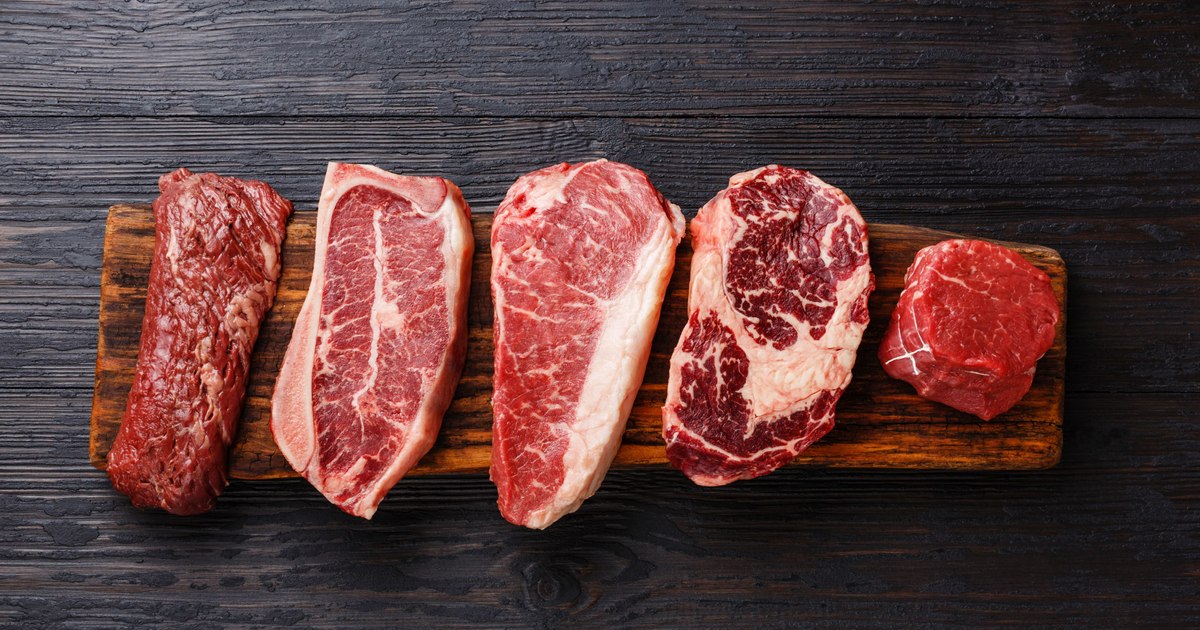
Consumption in excess of meat can have negative photo effects: Shuterstock
Three cardiologists, two from General Hospital Tampa and the third at the MD Anderson Cancer Center at the University of Texas, reported an incident in which an adult man developed yellow nodules, feet and elbows after adopting a carnivorous diet, According to Medical Axpress.
In their work, doctors Konstantinos Marmagkiolis, Jaime Caballero and Cezar Iliescu describe the symptoms of a patient who came to the hospital, after yellow nodules on different parts of the body and their diagnosis.
The patient, a 40-year-old man, told the doctors that the nodules appeared three weeks before his visit to the hospital. After consultation, doctors established that the patient had adopted the so-called carnivorous diet about eight months before the appearance of nodules.
The carnivorous diet is a fashionable diet based on the consumption of large amounts of animal fats and very little of anything else. The patient in this case said he ate almost 3.5 kg of butter, cheese and other fatty foods every day since the diet started – going right so far to add fat to the hamburgers he consumes daily.
Very large cholesterol
Blood analyzes have shown that the patient’s cholesterol levels were about four times higher than normal. Doctors have diagnosed the patient with xantelasma, a condition in which the yellow cholesterol deposits accumulate in different parts of the body – in this case, on the palms, the soles of the legs and elbows.
Doctors advised the man to give up fat consumption. But they also stated that this will not get rid of nodules. They required surgical excision or their liquid nitrogen burning.
They also reminded the patient that such a high level of cholesterol could lead to a number of other conditions, such as cardiovascular disease, a much increased risk of stroke and, finally, liver problems.
