
The same question circulates on international forums: how the Asians manage to remain supple, while Chinese menus, for example, are full of Orange Chicken, Chow Mein and huge rice portions.
The answer is simple: what we see in the “Chinese” restaurants in Europe or the US has too little to do with the daily meals that the inhabitants of Beijing, Shanghai or Guangzhou consume.
“The difference is not only in the basic foods, but in the whole food context and lifestyle. The rice that the Chinese traditionally consumes is often simple white, steaming, consumed in moderate quantities and combined with many vegetables. The meat is not the star of the plate, but it appears in small quantities, the finely sliced and the vegetable. Inflammatory from excessive frying. Explains for “Adevărul”, Claudia Bunci, Functional Health Coach.
In addition, dairy and cheese are almost completely missing, sugar drinks are replaced with hot tea, and tables are based on diversity, not quantity. This combination causes the caloric intake to be lower and, at the same time, much more nutritious.
Contrast with “American Chinese food” is obvious. The rice portions are much larger, combined with refined oil and sugar -rich sauces. The meat fried in the oil or bread bath brings a considerable caloric surplus, and the vegetables are almost completely missing. “All this model favors insulin resistance, inflammation and weight gain”, Points Claudia Bunci.
The lifestyle completes the difference. In traditional China, walking or bicycle was part of the daily routine, the tables were regular, and the snacks between meals rarely existed. Even today, in the big cities, the population remains much more active than in the West.
What do people say on international forums
The question “How do the Chinese manage to stay supple if they eat rice and meat daily? ” He has recently generated thousands of comments on Quora. The answers, coming from both those living in China and those who have traveled there, outline the same conclusion: what is eaten daily in China differs radically from what we call “Chinese food” in the West.
A participant in the discussion, who lives in China, told that for lunch, at the office, he often orders steamed fish, chicken with mushrooms and green vegetables, all for the equivalent of $ five. At the weekend cooks at home omelette with tomatoes, chicken in small quantities or bitter vegetables. “How to get fat from this?”he asked rhetorically.
Someone else reported that a Chinese colleague showed him what an authentic meal means: without butter, no cheese, no large portions of meat. “You can not accumulate calories from such combinations: simple rice, many vegetables and lean meat quickly”, he commented.
Another answer underlined the absence of sweet desserts: “You may receive a few slices of melon at the restaurant, but in the people’s homes there is no cake or ice cream after the meal. The sugar is the true culprit, and the Chinese diet has very little.”
Many have also drawn attention to drinks: instead of carbonated juices or sugar drinks, the Chinese drink hot tea, which help digestion and quickly create the feeling of satiety.
Others focused on moderate portions: “What makes the difference is not the total lack of fats, but the fact that it eats a little. Control of portions is the key.”
“Local fast food with exotic name”
The discussion also reached the cultural aspects. Some reminded that “American Chinese food” It appeared in the 19th century, when immigrants did not find the ingredients at home and adapted the recipes to local tastes. From here resulted sweet sauces and flesh in oil, which does not exist in the same shape in China.
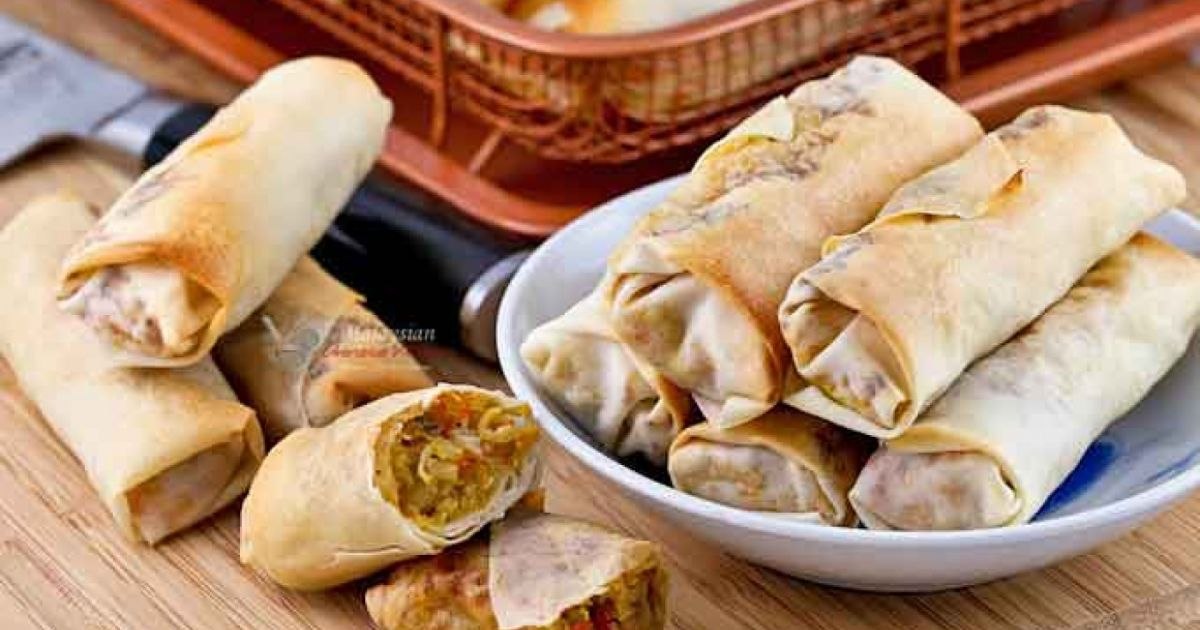
More ironic observations also appeared, such as those about the “City Hall” of recipes in other countries: “In Scotland, I found spring rollers with ham and cheese. This is no longer Chinese food, it’s a local fast food with an exotic name.”
But some have nuanced the debate, warning that being weak does not always mean being healthy. “There is the phenomenon” weak on the outside, but fat inside “. You can seem supple and yet you have hidden metabolic problems.”
Also other users have entered the so-called “Five Finger Factor”: genetics, metabolism, activity level, financial resources and emotional state. All influence body weight regardless of the type of diet.
The common conclusion of discussions is that the major difference between Chinese and Western is not only in the ingredients used, but also in the portions, the absence of sugar, the fast cooking techniques and the cultural context of meals.
