
Play is often perceived as a simple fun for children. The specialized studies and the experience of psychologists show that the play is vital and after the school begins. Without it, children risk stress, difficulty adapting and communicating.
Why is it wrong to limit play with PEXELS photo source school
Play is the foundation on which a healthy, cognitive, physical and social health of each child is built. In this article you will discover the risks that appear when playing is restricted, how to find the balance between education and free time and what is the role of the parent in supporting this vital need of the child.
What happens when the child is restricted to play
Play is not only fun, but it is a psychological need, naturally integrated into every child’s life. Through play, children explore the world, learn rules, collaborate, test limits and find solutions to daily challenges. These experiences are indispensable for the normal development of brain, social skills, motility and emotional functioning.
Many parents, from the desire to ensure a better future for children, prioritize formal learning to the detriment of the game.
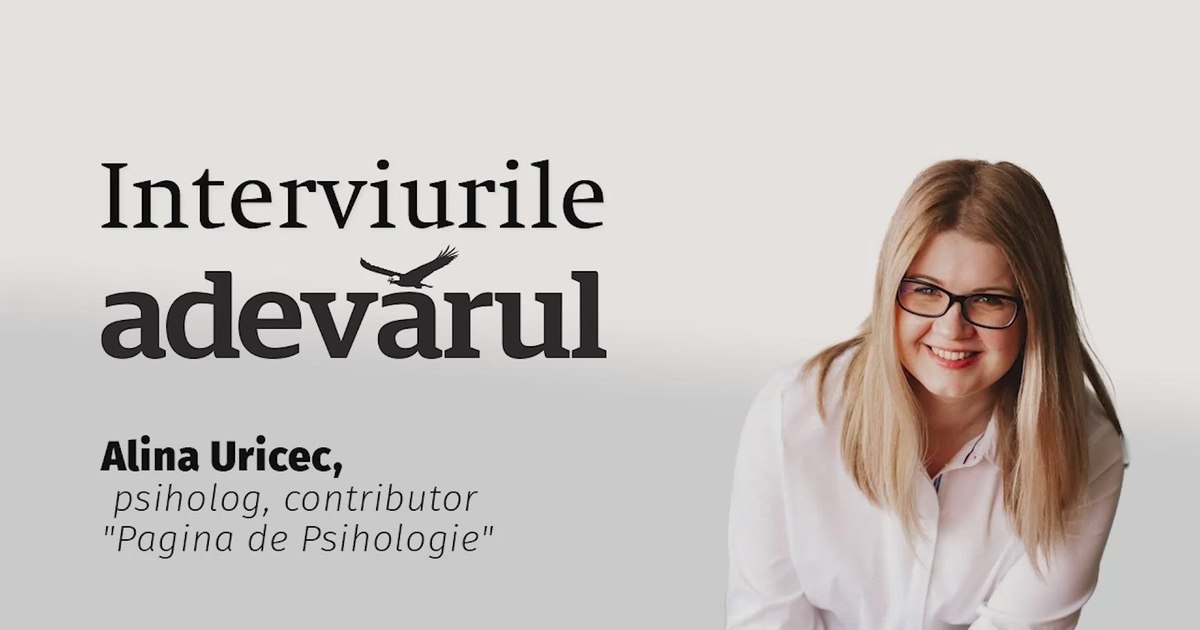
“This demonstrates the ignorance of the value it plays brings into our lives, the fact that it is an aspect of our development, of our self. Then it comes from an ignorance, unfortunately, of what the development of the human being implies. We hear to many parents that they want for their children to learn to get better, especially from a financial point of view. This is an aspect make parents play on the second place. “ Says psychologist Alina Uric, at the interviews Adevărul.
The prioritization of formal learning to the detriment of the game is a historically influenced approach by the cultural and economic context and transmitted over time, to the generations of parents.
“If we look in history, access to education has really meant a better life. For a family from the country with many difficulties, making a school meant actually that you have a better chance to survive. Prioritizing learning, historically speaking, is very much related to this need, which is a need, which is a school. Survival than the play. draws the attention of the specialist in the video show.
Play, brain development key
The restriction of the child to play can become toxic when he is facing a loaded, relaxing program and freedom of exploration. The results? Frustration, stress, affect the emotional balance and, in the long term, difficulties of socializing or communication.
“Play is something that comes to us naturally, instinctively, like breathing. If we look at the other creatures on this planet, all animal chickens are playing. No one to play. No one has to motivate you to play that. You cannot impose someone to play. We have it. emphasizes psychologist Alina Uricec.
A child’s brain is like a sponge: it absorbs information, creates strong neurobiological connections and evolves rapidly when the child is freely played. Through simple games – construction, role, movement – child:
– Understand the cause-effect relationship
– exercises negotiation and tolerance to frustration
– develops their imagination and memory
– Learn to relate to other children and managing emotions
In the interviews Adevărul, the specialist draws attention:
– Play is the natural way in which the child learns.
– Private playing children may develop emotional or behavioral problems.
– The free play stimulates creativity, adaptability and critical thinking – essential skills in adult life.
Parent’s role: facilitator, confident and play partner
The play must be natural, and the child to choose what and how he wants to play. The parent can be present, but without dictating the rules or excessively criticizing the result. The parent’s involvement (for example, in role -playing games or boardgames) strengthens the emotional connection with the child and offers validation and support.
“To play together, child-defendant, it takes a lot of ability that the parent has to do. There are parents who are very difficult for them to play from this unstructured with the children and to do what the children want.” shows the specialist.
Play does not only help the development of the child, but also contributes to the well -being of the parents. Through the game, the family connects, relaxes and learns together. The usual children to play arrives creative, resilient adults, capable of managing difficult situations with more calm and flexibility.
The balance between learning and play
There is no universal recipe but you can find the right option for your family:
– Leave your baby daily for free play
– Choose extracurricular activities that also involve playing elements (theater, sports, painting)
– Reduce the program loaded with “must” and leave room for the joy of discovery
– Pay attention to the reactions of the child: if he refuses to participate, show fatigue or does not feel at ease, discusses openly and adapts the routine
“This is a choice to prioritize play. If I put this in the list of all things, then I will make sure that my child has some hours of play every day, but that means I could sacrifice some English, some French, what I put on the list there, because you can not do it and most of the time, we do much,” says Alina Uricec.
Play is emotional oxygen for children and adults alike. It supports healthy development, strengthens parent-child connection, stimulates creativity and prepares the child for life’s challenges. Let your child play, play together and play the list of your family’s priorities.
