
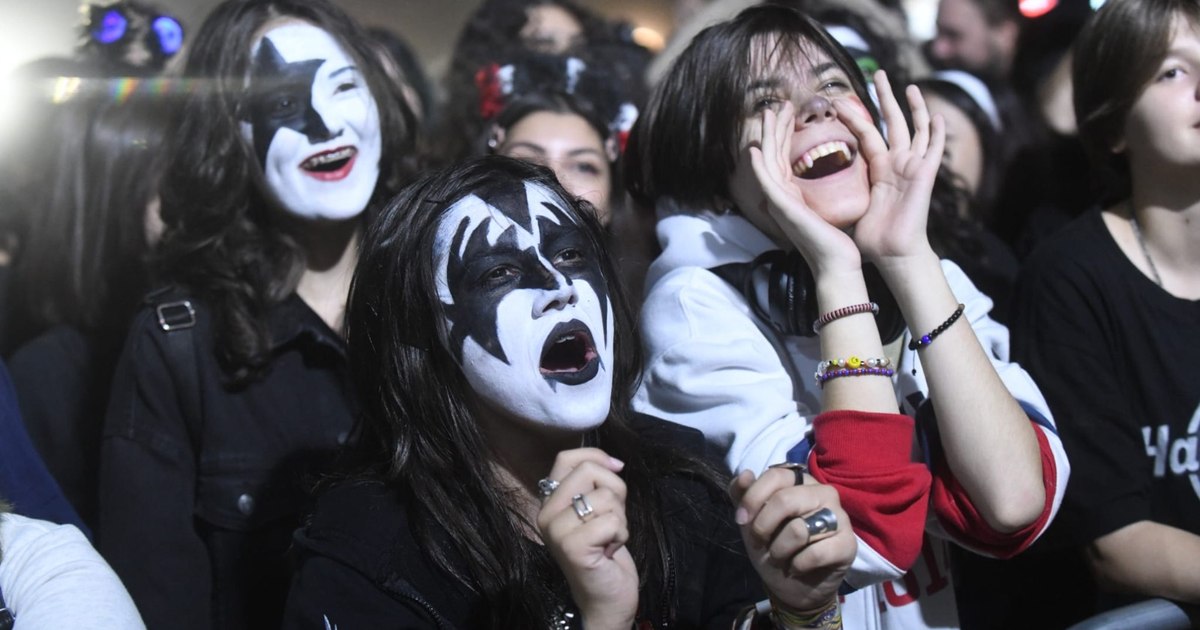
Halloween is a special party that takes place every year on October 31st. On this night, children dress up in funny and scary costumes, such as witches, vampires or superheroes.
Halloween is an occasion for people of all ages to have fun. Photo: The Truth Archive
In 2024, as is traditional, Halloween will take place on Thursday, October 31. This date marks every year the night when the spirits are most active, according to legends.
Before Christianity, Celtic areas celebrated Samhain, a holiday marking the end of the harvest and the beginning of winter. It was believed that on this night, the border between the world of the living and the dead was thinner, and spirits could pass into our world. Many of Halloween’s traditions, such as costumes and bonfires, have their origins in this Celtic festival.
Halloween, short for the English expression “All Hallows’ Eve”, is the result of a fascinating fusion between Celtic and Christian traditions. The Celtic festival of Samhain, which celebrated the end of the harvest and the beginning of winter, was marked by the belief in the return of spirits. With the Christianization of Europe, this holiday overlapped with All Saints’ Day, and pagan traditions were transformed and adopted in the new religious context.
History.com reports that Halloween traditions vary significantly from region to region. For example, in Ireland, where Samhain originated, the focus is on bonfires and commemorating ancestors, while in the United States, Halloween is associated more with costumes, sweets, and themed parties. Halloween is an excellent example of cultural syncretism, the process by which different traditions and beliefs merge and adapt to each other. Elements from pagan holidays were integrated into Christianity, giving birth to a new holiday that combines both spiritual and festive elements.
According to researcher Nicholas Rogers, Halloween is most often associated with the Celtic festival Samhain, which in Old Irish means “summer’s end”. This holiday marked the transition between seasons, symbolizing the end of the cycle of growth and the beginning of a darker and more introspective period. For the Celts, Samhain was considered a crucial time when the boundary between the worlds of the living and the dead thinned, allowing the spirits to return.
An important tradition of the Celtic Samhain holiday was the belief in communication with the spirit world. It was believed that on this night, the border between the worlds became permeable, allowing spirits to pass through. To honor their ancestors and ward off evil spirits, the Celts organized various rituals. One of these rituals was the wearing of costumes and masks, designed to deceive evil spirits and drive them away. In Scotland, young people went from house to house dressed in scary costumes, in a kind of forerunner of the “trick or treat” tradition.
Samhain was an important holiday for the community. During this time, people gathered to celebrate the end of the harvest and the beginning of winter. Fires lit in the community symbolized unity and rebirth. All fires were lit from a central fire, and the bones of sacrificed animals were thrown into it as an offering to the spirits. The ritual of passing through fire was a moment of communion and purification for the entire community. At the same time, preparations were made for the winter, thus ensuring the survival of the community during the cold season. With the spread of the new Christian religion in Europe, the feast of November 1 was transformed into the Feast of All Saints by the Roman Catholic Church in the year 835. This feast, also known as Hallowmas or All Hallows, was celebrated in Ireland and Scotland during for several centuries and was brought to North America by Irish and Scottish immigrants in the 19th century. Later, through American influence, Halloween spread to other countries in the late 20th and early 21st centuries.
Although the phrase “All-Hallows-Even” was only documented in the 16th century, its roots go deep into early Christian traditions. “Hallow” comes from the Old English word “halig”, which meant “holy”. Thus “All Hallows” originally referred to all the saints, and “All-Hallows-Even” marked the evening before the day dedicated to their commemoration.
Let’s look at the symbolism of colors, numbers and objects associated with Halloween.
Origins of Costumes: The tradition of dressing up on Halloween night has its roots in the Celtic festival of Samhain. The Celts believed that on this night, the border between our world and that of the spirits thins. To protect themselves from evil spirits, people disguised themselves as other supernatural creatures in the hope that they would be confused.
Trick or Treat: A tradition steeped in history. Trick or Treating is undoubtedly one of the most well-known customs associated with Halloween. This fun ritual, where children dressed in scary costumes go from door to door shouting “Trick or Treat?”, has become a popular tradition in many countries.
Jack-o’-lanterns: The story of Jack O’Lantern is an Irish legend that explains the origin of this custom. It is said that Jack was a miserly and deceitful blacksmith who, through cunning, managed to trick the devil several times. As punishment for his sins, Jack was not welcomed into either heaven or hell. The devil, however, gave him a burning coal, enclosed in a turnip, to light his way through the darkness. Since then, Jack wanders the earth with his lantern, warning others of the dangers of greed and deceit.
Caroling: The roots of the Halloween caroling can be traced back to Celtic traditions, specifically the festival of Samhain. During this time, it was believed that the barrier between our world and that of the spirits thinned, and people disguised themselves to protect themselves from evil spirits. Caroling, with its songs and costumes, could be seen as a continuation of this tradition, only that over time it has evolved into a more joyful and community-oriented activity.
Visiting Haunted Places: For those who prefer a controlled experience, theme parks and haunted houses offer a safe and fun alternative. These places are specially designed to create a scary atmosphere with impressive sets, special effects and actors playing the roles of macabre characters.
Theme Parties: Another popular Halloween tradition is having themed parties. People gather in costumes, decorate houses with spooky elements, and have fun with Halloween-specific games and activities.
Horror Movies: Halloween isn’t all about costumes and candy. For many, this night is the perfect opportunity to dive into the dark world of horror movies. Whether you prefer the classics that scared you as a child or the newest productions that promise to chill your blood, horror movie marathons have become a Halloween tradition.
The custom of dressing up scary on Halloween has deep roots in history, being linked to ancient beliefs and practices. In particular, the Celtic festival of Samhain, which marked the transition between summer and winter, was associated with the spirit world and the belief that the boundary between our world and that of the beyond thins on this night.
Masking for Protection: By adopting frightening appearances, people believed they could fool their evil spirits by making themselves unrecognizable. This practice was a form of protection against evil forces.
Connecting with the spirit world: Halloween costumes can also be seen as a way to symbolically connect with the spirit world, explore darker parts of the human psyche, and face our fears.
The carved Halloween pumpkin, more commonly known as the Jack-o’-lantern, is an iconic symbol of this holiday with a rich history and deep meaning. The origin of this custom is linked to an old Irish legend about a man named Jack, known for his miserliness and cunning. According to legend, Jack tricked the devil several times and as a result could not enter either heaven or hell. As punishment, the devil gave him a burning coal, which Jack put into a turnip, thus creating a flashlight. Since then, Jack has been wandering the earth with this lantern, and the carved Halloween pumpkin is a representation of it.
According to Irish legend, Jack, a sly trickster, was condemned to wander forever with a turnip in a turnip after he tricked both Heaven and Hell. The tradition of carving vegetables for Halloween originates in Ireland and Scotland, where people used to carve turnips or other vegetables and light them with candles to ward off evil spirits on the night of Samhain, the precursor to Halloween. When Irish and Scottish immigrants arrived in America, they discovered pumpkins, which were larger and easier to carve than turnips, and so the pumpkin became the central symbol of this tradition.
Pumpkin carving for Halloween, a tradition with deep roots in folklore, has a strong symbolic meaning. The scary faces, expertly outlined in the orange pulp, were originally designed to frighten and ward off the evil spirits that, according to ancient beliefs, were believed to roam the world on Halloween night. The spectral light, created by placing a candle inside the pumpkin, served as a beacon that not only illuminated the darkness, but also represented a symbol of divine light meant to protect and guide the living against dark forces. Over time, this tradition gradually lost its strictly religious connotations, turning into a festive and artistic activity. Today, pumpkin carving is an integral part of Halloween decorations, providing an opportunity to express creativity and create atmosphere specific to this holiday.
