
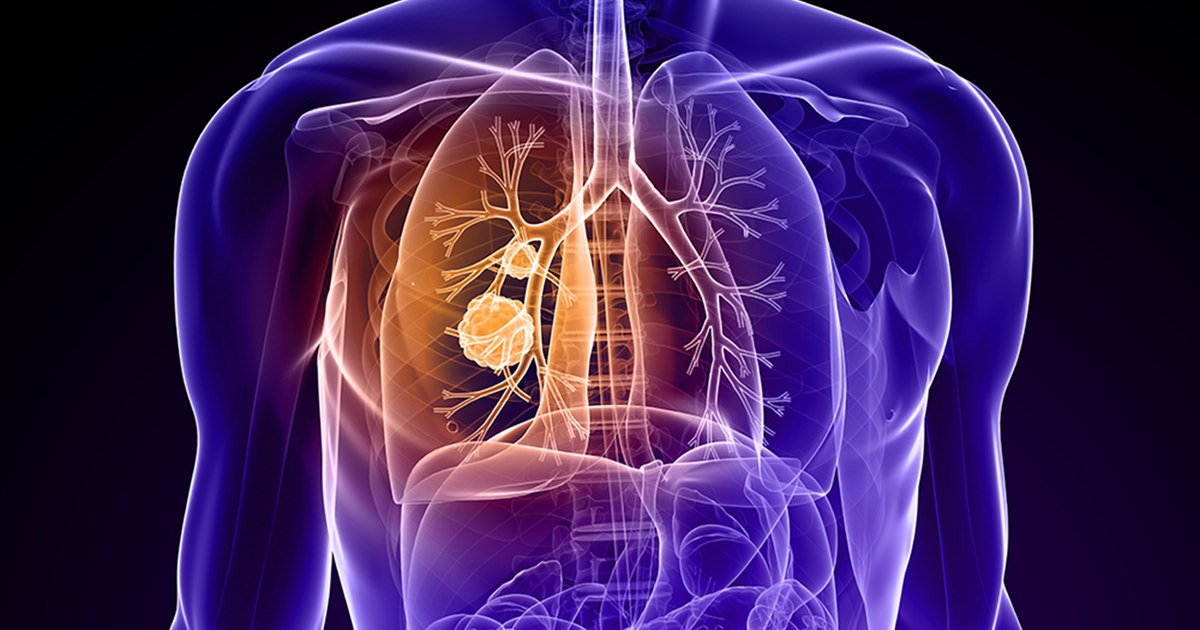
A European country is launching the world’s first clinical trial for an experimental vaccine to prevent lung cancer, using a technology derived from the experience of the Covid-19 pandemic.
Researchers from University College London and the University of Oxford in Great Britain announce a medical project that could decisively influence the oncology field: the first experimental vaccine designed to prevent lung cancer enters clinical testing. The study, unique worldwide, aims to find out whether immunization can trigger a body response capable of early detecting cells that develop tumor mutations in the lungs and eliminating them before the disease sets in, notes UCLNews.
It is no longer news to anyone that lung tumor is one of the most aggressive forms of cancer, with an extremely low long-term survival rate, so researchers emphasize that prevention and intervention in the early stages represent, at this moment, the most important chance for improving the prognosis of patients.
The first preventive vaccine against lung cancer
The Phase I clinical trial, funded with more than €2.3 million by Cancer Research UK and CRIS Cancer Foundation, will monitor the safety and optimal dose of the experimental LungVax vaccine for four years, with testing to begin in the summer of 2026, after obtaining all necessary approvals.
Participants will be high-risk people: either patients who have had early-stage lung cancer and had surgery but are at risk of recurrence, or people included in the UK’s national screening programme, a group already closely monitored for early detection of the disease.
How the vaccine works
The LungVax concept starts from the observation that cells that begin to turn malignant express new or modified proteins on their surface, called tumor-associated neoantigens and antigens. These are not found in healthy cells and can therefore be targeted by the immune system.
The vaccine contains genetic instructions designed to “teach” the immune system to recognize these abnormal signals, and the goal is for the body to eliminate the affected cells before they accumulate enough mutations to form a tumor.
According to the authors of this study, the technology used is derived from the platform developed at Oxford for the anti-Covid vaccine, proof that medical research has learned a lot from the pandemic that has affected the whole world and is making progress.
The researchers point out that the vaccine can become an extremely valuable complementary tool for people exposed to developing lung cancer, but it does not replace smoking cessation. If the results of this first phase are encouraging, much larger clinical trials will be conducted to evaluate the effectiveness of the vaccine on a large scale.
The representatives of Cancer Research UK believe that the project opens a completely new direction in preventive medicine, at a time when progress in the understanding of tumor biology allows, for the first time, the development of extremely early intervention methods, but they draw attention to the fact that LungVax is at an early stage and is not approved for clinical use.
Only after the analysis of the results of the first phase will it be decided whether the vaccine can move to higher stages of testing.
