
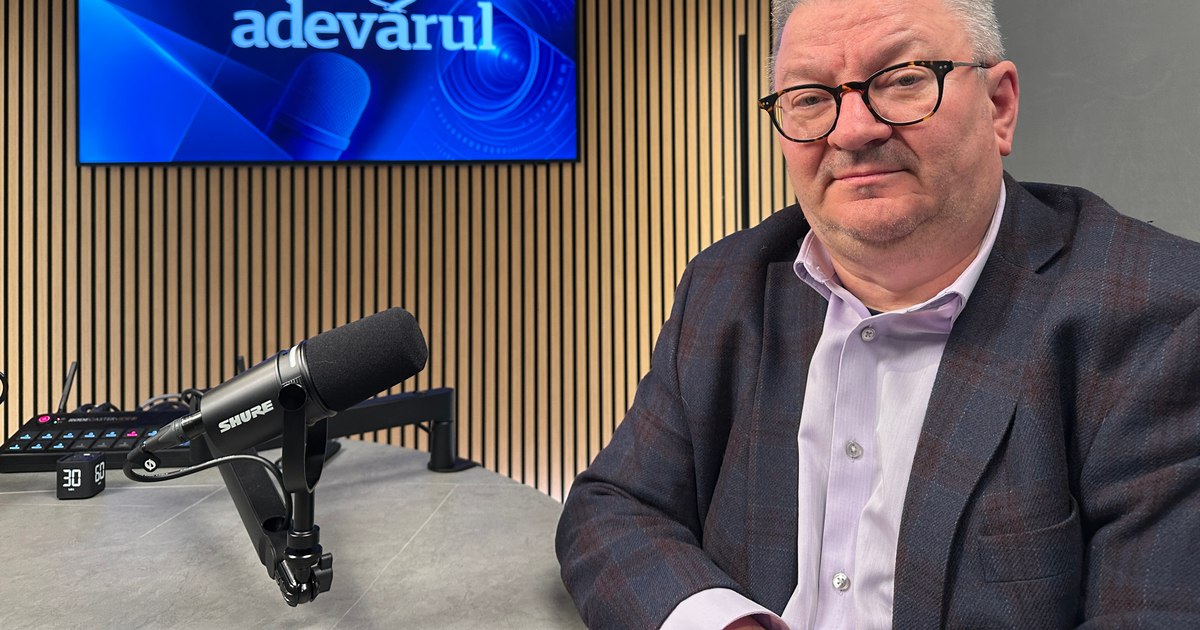
Romania continues to be seen in the United States as a hybrid regime, between democracy and authoritarianism, after the cancellation of the 2024 elections, warns analyst Armand Goșu, who draws attention to the legitimacy problems of the Romanian administration.
Although President Nicușor Dan gave recent assurances that the issue of the legitimacy of the current power is no longer a matter of concern in the United States, Goșu contradicts this view. In his opinion, Romania is now seen more like a hybrid regime, situated on the border between democracy and authoritarianism. “You are no longer a democracy after you cancel the elections. Interference (Russian – no) was in all European countries. And in America, and everywhere, but no one canceled the election, do you understand me?”said Goșu in an interview for Știrile PRO TV.
The analyst emphasizes that the internal political situation affects the perception of Romania abroad and believes that the level of the political class is “very low”, which prevents the consolidation of a solid democracy.
In addition, previously asked in the Adevărul interviews if the cancellation of the 2024 elections can become a “scary” for Romania, in the hands of the USA, the historian declared that “it is possible“.
We remind you that a report by the Legal Committee of the US House of Representatives accused the European Commission of interventions in the national elections of some member states, including Romania. The document claims that the EU Executive would have exerted pressure on social platforms to censor certain electoral content and that in Romania “the elections were canceled without evidence and candidates were eliminated in order for the “favored establishment candidate” to emerge as president”.
The American report mentions that such pressures were also exerted in Slovakia, Ireland, the Netherlands, France and Moldova, including before the presidential and legislative elections in 2024, raising questions about the neutrality and limits of action of the European Commission during sensitive electoral periods.
