
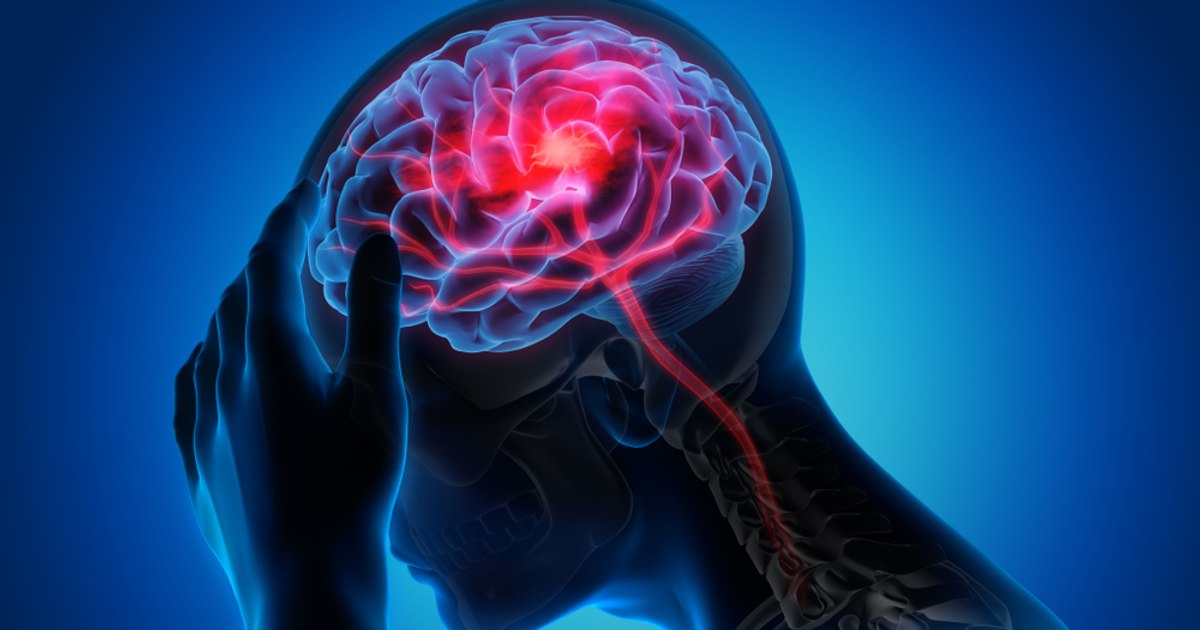
If ten years ago only 5% of the cerebrovascular accidents arriving at the Neurosurgery Hospital in Iasi were registered among young people, at the present time, more than 15% of those who suffer a stroke are people under the age of 50. years.
In the past, stroke was considered a disease specific to the elderly. In recent years, however, more and more young people are being diagnosed with this disease. According to the doctors, a decade ago, 5% of the cerebrovascular accidents arriving at the Neurosurgery Hospital in Iasi were registered among young people.
Now, however, the reality is much harsher, stress neurosurgery specialists, who say that, at present, more than 15% of those who suffer a stroke are people over 50 years old.
“An increase in patients with young ages, between 30 and 50 years old, was noted, in which vascular accidents, either ischemic or hemorrhagic, occur more and more frequently“, emphasizes doctor Lucian Eva, manager of the Neurosurgery Hospital in Iași.
Why are young people more vulnerable?
The question that naturally arises is: why are we seeing this dramatic increase in stroke cases among young people? The answers are multiple and complex, but some trends are clear, doctors say.
A major factor is lifestyle modification. Unhealthy diet, lack of exercise, excessive alcohol consumption and smoking are well-known risk factors for stroke.
“An explanation would be that life in recent years has become more and more stressful, and life habits are completely different, because society has changed“, adds neurosurgeon Lucian Eva.
In the age of technology and speed, young people are increasingly exposed to habits that can put their health at risk, and this is reflected in the increase in stroke cases.
Just in the last 24 hours, two young men aged 21 and 23 were admitted to the Neurosurgery Hospital in Iasi with the same diagnosis: stroke.
Underrated factors
Doctors warn that the biggest danger in a stroke is ignoring the signs.
Another major problem is ignorance. Many young people are unaware of the meaning or severity of stroke symptoms and ignore these warning signs, thereby delaying seeking medical help.
On the list of frequently underestimated or ignored factors are: chronic stress, lack of adequate sleep and excessive use of technology. All of them together can contribute to the increased risk of stroke among young people. There is also growing concern about the increase in stroke cases associated with drug use, particularly among young people.
The FAST method
There is a method by which the symptoms of a stroke can be more easily recognized. Abbreviated as FAST, the method is used for emergency stroke diagnosis. It was established in the 90s by the medical staff of the British Ambulance Service and is used today as a method of educating the population, because it is a very effective system for recognizing the symptoms of a stroke both in oneself and in others. i swear
“The acronym provides four clues to the stroke, as follows: F – Face – refers to the face falling to one side. Check this symptom by asking the affected person to smile; A – Arms – weakness of the arms. Check for this symptom by asking the affected person to raise both arms and keep them raised for a few seconds; S – Speech – speech difficulties. Check for this symptom by asking the affected person to repeat a sentence or answer a question; T – Time – if the above 3 symptoms are present, it is time to call 911 for help“, says the guide recommended by doctors.
People who ignore the signs can be left with lifelong sequelae, as hundreds of thousands of neurons die within the first minute of a stroke. That is why medical intervention in the first hours is vital.
“If he gets to the hospital in the useful window, which is the first four to six hours, intravenous thrombolysis can be done and that blood clot is dissolved. If we are talking about patients who arrive at the hospital beyond this useful window, mechanical thrombectomy can also be done, that is, a system is inserted through the inside of the vessel, which aspirates that blood clot, so as to allow the blood to enter the respective vessels again and feed the brain”, concludes doctor Lucian Eva, manager of the Neurosurgery Hospital in Iași.
