
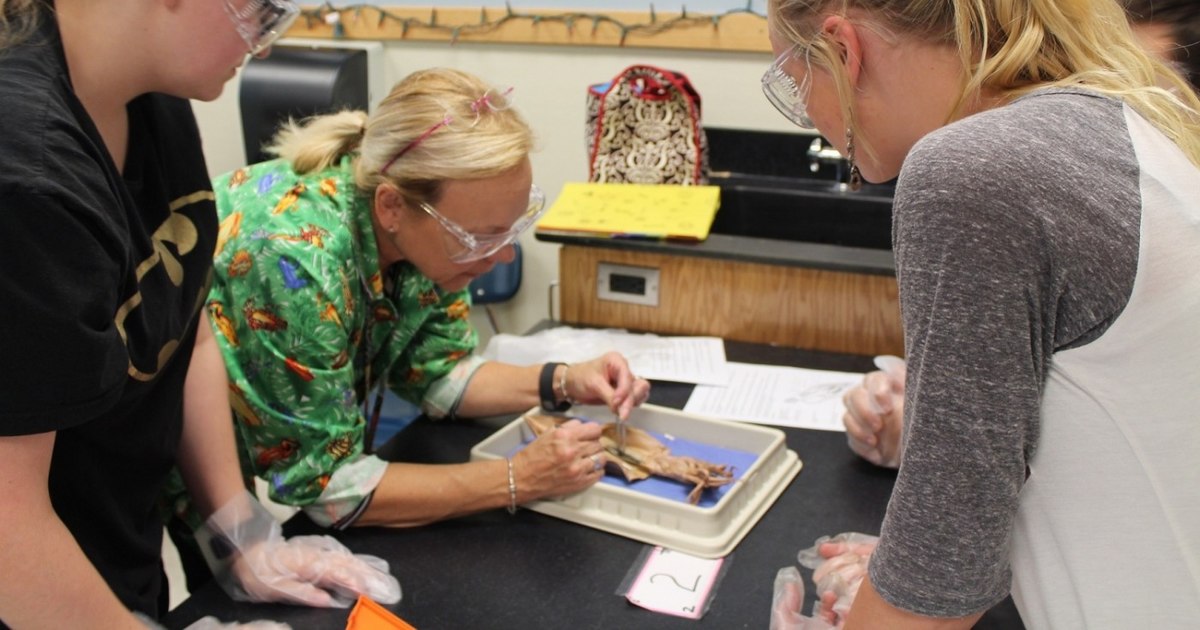
Young people want to learn in school based on programs based on practical examples and real life scenarios, while school serves them the same methods from 30 years ago. Lack of real reform and low funding are among the culprits behind the gap.
Young people want to learn by experimenting, shows the UP Generation study PHOTO: Pixabay
The school cannot meet the expectations of young people because there are no substantive changes, and for real needs the funding is below expectations. A study published on Monday, June 17, 2024, conducted online by UP Generation in collaboration with market research agency Mkor on a sample of 800 young people between the ages of 16 and 24, from all the developing regions of the country, shows that almost three quarters of young Romanians (72%) want learning programs based on practical examples, exercises and real life scenarios. Because it doesn't happen like that, young people finish their training and find themselves on the labor market disoriented and with too few of the essential socio-human skills in the field of work. They don't know how to communicate effectively, they don't know how to collaborate, they don't manage to adapt and manage their emotions, which prevents them from reaching their potential, draw the attention of the authors of the study.
The enormous gap between the needs of young people and the reality in schools is emphasized by the expert in the field of education, Daniela Vișoianu.
The young people who are taking the Baccalaureate today have to prepare for the exam in Romanian Language and Literature the same subject that tried their parents, says Vișoianu, the various measures adopted proving to be simple changes of form, without going to the bottom line.
“Romania extended compulsory education to 13 years, compared to 10 years previously, without any debate about the needs of students, i.e. young people and teenagers. At the age of great trials, teachers mostly appeal to their minds for knowledge, and preparation for independent life and identity building remains in the care of families and the social group to which the child belongs. Or he wants to try to know what he is good at and what he can do by himself, including with his hands. And these tests must be carried out in the safe environment of the school, in the presence of a training professional”, thinks Daniela Vișoianu. Students, on the other hand, have to a small extent the chance of such guided attempts, and this is because the decision-makers prefer to save chairs and invest less in transformations in accordance with the needs of current generations.
“The paradox of the technical, professional route is that it is funded much less than the need: for anything that means practical activity, other investments and costs are needed than theoretical learning. And then the decision-makers prefer a smaller investment, which preserves the chairs in their current form, without changes in accordance with the transformation of the generations that entered high schools after the year 2000 and, especially, after Romania's accession to the EU. Young Romanians answer that they don't like school because often the school doesn't seem to like them either”, Vișoianu explained what the results of the UP Generation study show us.
“The school doesn't buy you licenses, it can't afford it”
Career guidance, an important area that the school should deal with so that students find themselves where they choose to study, is at the moment also an area in distress.
Beyond the large number of students assigned to each school counselor (approximately 1,000 students/counselor, but specialists are not present in all schools), there is also the financial barrier when it comes to the tools that counselors have at hand to guide them professionally students. School counselor Loredana Stroiuleasa says that there are no license tests in schools, although it would be required that the testing of students be financed from a special fund so that young people study in the field for which they have skills.
“The school doesn't buy you licenses, because they can't afford it. To test the child for which trades he has skills costs you somewhere around 50 euros/child. Which a school cannot afford. We should have special funding for this. It is important to guide him, because depending on this he chooses what he studies in high school. Many reach high school and realize they don't fit that profile. Or even in college, they realize they don't like it and drop it, or they do it because, says Stroiuleasa.
School counselors do what they can, often with paper and pencil or old tools that require a student to be in the office two days in a row for cognitive testing.
The lack of subjects in the school curriculum that help students develop personally is also emphasized by the school counselor Loredana Stroiuleasa. “Schools do not study subjects that develop them personally, that make them express their point of view, have the courage to value themselves, this is not studied. Yes, we have the debating olympiad. But how many are involved in it? All children should be doing this, not just a few, in good schools.” says Stroiuleasa.
Another discussion that should be held, the school counselor believes, is that of giving up certain subjects that no longer arouse any interest in the students and moving them to the optional list, so that subjects in line with the new challenges find their place in the program.
