
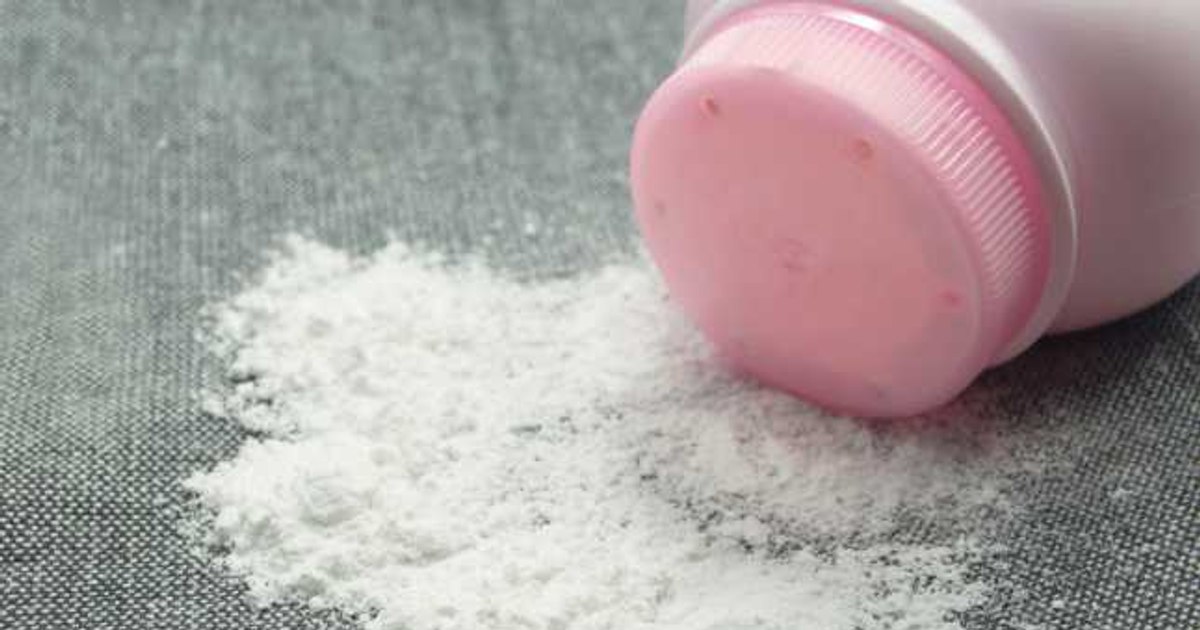
Talc has been classified as “probably carcinogenic” by the World Health Organization’s (WHO) cancer research agency, and acrylonitrile, a compound used in the manufacture of polymers, has been classified as “carcinogenic”, according to AFP.
Talc, possibly carcinogenic
Experts from the International Agency for Research on Cancer (IARC), gathered in the city of Lyon in France, published the results of their studies on Friday in the journal The Lancet Oncology. They classified talc as “probably carcinogenic” to humans, based on limited evidence of ovarian cancer in women and sufficient evidence in laboratory animals. Exposure occurs mainly in jobs related to the extraction, grinding and processing of talc, as well as in the production of products containing talc, according to the source cited by Agerpres.
Among the general population, exposure to talc occurs mainly through the use of cosmetics and body powders containing this ingredient. However, there are concerns about possible bias in studies that have shown an increase in cancer. Although the review focused on asbestos-free talc, asbestos contamination cannot be excluded in most studies in which talc users were exposed. In June, Johnson & Johnson reached a settlement with judges in 42 US states in a lawsuit related to its talcum powder, accused of contributing to several cases of cancer.
A review of studies published in January 2020 involving 250,000 women in the United States found no statistical link between the use of talcum powder on the genitals and the risk of ovarian cancer.
However, concerns have arisen since the 1970s, related to the contamination of talc with asbestos, which is often found in close proximity to the minerals used to produce talc. Studies then indicated a higher risk of ovarian cancer among women who used talc products.
At the same time, the WHO agency classified acrylonitrile as “carcinogenic” to humans, based on “sufficient evidence of lung cancer” and “limited” evidence of bladder cancer in humans, according to the IARC. This volatile organic compound is primarily used in the production of polymers used in fibers for clothing, carpets, consumer plastics and auto parts. Acrylonitrile is also present in cigarette smoke and can be a source of exposure through air pollution.
