
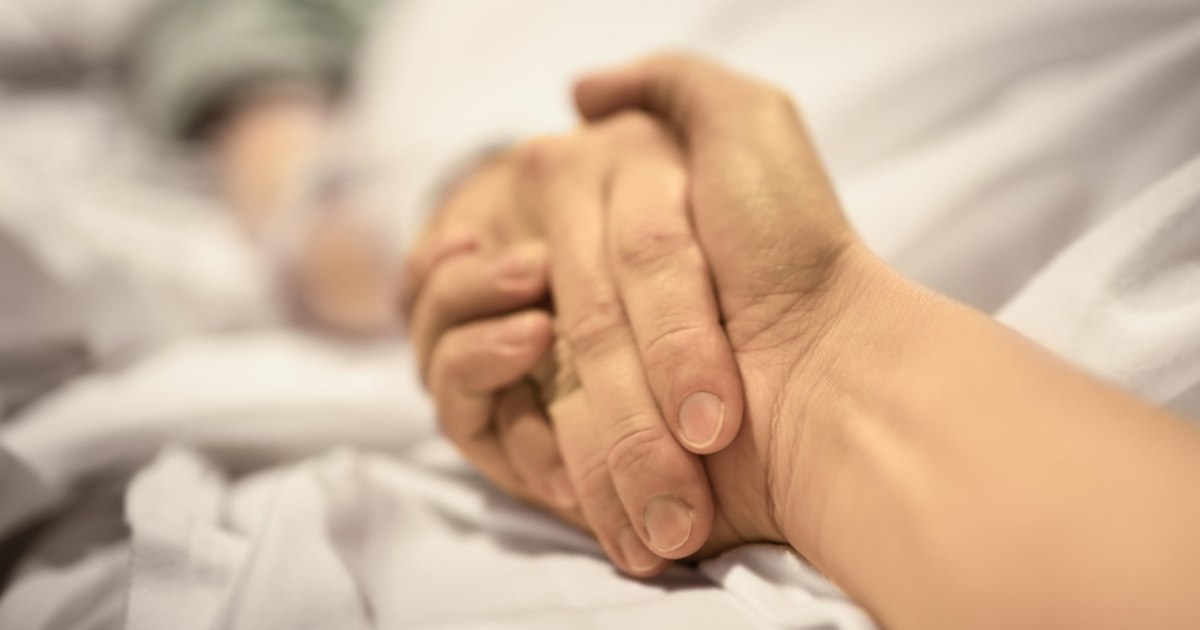
A leading US scientist claims to have discovered evidence of an afterlife following studies involving millions of patients. They all had near-death experiences.
According to Dr. Sam Parnia, a professor at New York University, patients who are resuscitated after their heart stops often report reliving “every moment of their lives”.
He claims that it is particularly remarkable that they relive their memories not only from their own perspective, but also as if looking through other people’s eyes.
These phenomena, which have been a source of fascination for doctors and the public alike for decades, are believed to occur when people are “dead” clinically and is extremely unlikely to survive, writes dailymail.
Dr. Parnia has conducted 30 years of research involving millions of people to assess where life ends and death begins.
“Many millions of people around the world have gone through this early phase of death and been brought back to life. We have studied this in many thousands of people using many different scientific methods. Incredibly, (patients) consistently report that although outwardly it appears that there is no consciousness and that they should be dead, inwardly they are having a new experience. They feel that their own consciousness, their own personality, suddenly expands and becomes more lucid and sharper. They are able to gather information about what is happening to them, while the doctors and nurses try to help them resuscitate,” claims Dr. Parnia.
What is really remarkable, the researcher claims, is that in this state they then start “to relive every moment of their life, every interaction they have had with others – not only from their own perspective, but also from the other person’s experience and perspective.”
“For example, if they did something that hurt someone, they relive the exact same pain that the other person had. If they did something that caused happiness in other people, they experience the same happiness.” says the researcher.
Experiences of seeing and hearing things while clinically dead have a scientific basis.
The brain still works after the heart has stopped
For years, studies have shown that the human brain is still functioning normally for a very short time after the heart stops, even though it appears to have stopped working on regular scans.
Research has also shown that during resuscitation, the brain can still have sporadic bursts of activity, even after an hour without oxygen.
Such findings have led some doctors to call for a review of the standard practice that people should be pronounced dead after three to five minutes of depriving the brain of oxygen, because these patients could theoretically be resuscitated.
“None of this is as we expected it to be. We shouldn’t have been able to reverse death. We weren’t supposed to investigate what happens beyond death. The two of us can’t remember more than a fraction of our lives if we were asked. And yet, in death, it’s as if everything that was recorded in life comes out like an iceberg. Suddenly, you’re evaluating your whole life through the prism of morality and ethics”says Dr. Parnia.
People have told the cited publication about out-of-body experiences such as “seeing bright lights at the end of a tunnel or meeting deceased relatives.”
Others, meanwhile, also recalled seeing “heavenly afterlife”.
While evidence that something happens in the brain after clinical death is still being explored, exactly why so many people have similar experiences remains a matter of dispute among experts.
Some theorize that as the brain undergoes these changes, the system’s “brakes” are released, opening our perception to “incredibly lucid and vivid experiences of the stored memories of our lives”.
However, this is only a theory, and other experts dispute it.
