
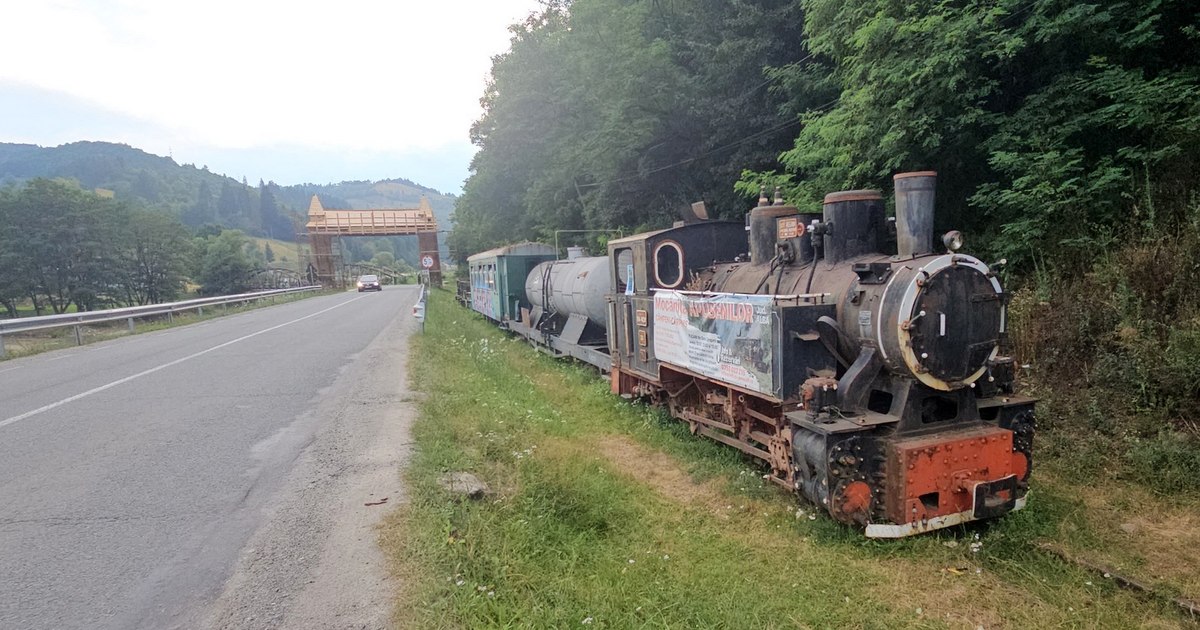
Less than 100 kilometers of narrow gauge railway, used for tourist purposes, has been preserved in Romania. In the past, railroads were crowded with commuter and freight cars, but most of them ended up as scrap metal.
A mocanica drawn to the dead line in Câmpeni, Alba. Photo: Daniel Guță. TRUTH
The first narrow-gauge railways in Romania were built at the end of the 19th century, in all the current regions of the country. Such investments have brought out of isolation numerous mountain settlements, far from the main railways.
Some railway lines were destroyed in the Second World War, but were rebuilt and extended in the early years of communism, to be used for the transport of passengers, but mostly for the transport of goods and natural resources, especially logs extracted from the vast forests of Romania.
Over time, diesel locomotives took the place of steam locomotives, called locomotives, but passenger cars became less and less, as their importance decreased. Since the 1980s, most such railways have been abolished. Some left the place of roads, others kept the embankments, used as a tourist trail.
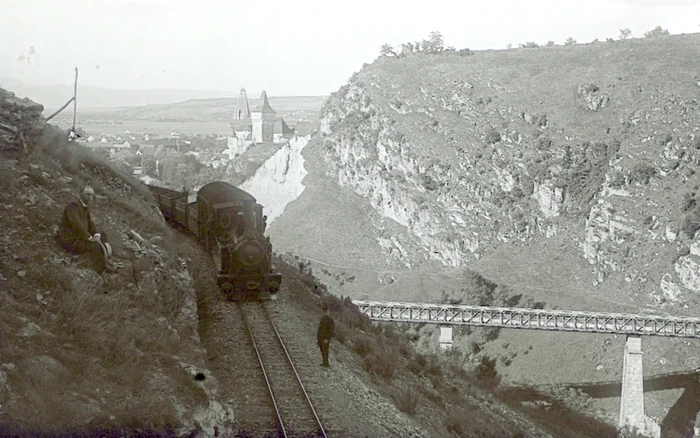
Hunedoara’s Mocănişa. Photo Fortepan. Schoch Fryges
At the beginning of the 90s, Romania still had more than 400 kilometers of functional narrow gauge railway, divided into more than 20 sectors, in all regions of the country.
In many cases, the railways ended up as scrap together with components of the works of art on the route (viaducts, bridges and footbridges), and the railway fittings shared the same fate or were exported outside Romania. Today, a few sections of the narrow gauge railway have been preserved in Romania and are used as tourist attractions, while most of them remain only memories for the locals.
The narrow-gauge railways established in picturesque mountain regions, adorned with forests and archaic settlements, remained attractive to tourists, and because some of them still had running tracks, many Romanians felt encouraged to get involved in preserving and reconditioning them.
Several non-governmental organizations have been involved in recent years in the revitalization of narrow-gauge railways, which they hope to return to tourist circuits.
The most popular narrow gauge railways in Romania
In Mureș County, tourists can ride the Sovata horse-drawn carriage, on a route of about 14 kilometers between the small station of the resort and the Câmpu Cetății bus stop. The entire narrow gauge railway route measured 82 kilometers and was built at the beginning of the 20th century, between the towns of Târgu Mureș and Praid.
Mocănița Sovata was used from 1915 to 1997 for the transport of passengers and goods, but now the preserved sector is intended for tourism. One of the steam locomotives was built in 1949.
In Sibiu County, the towns of Sibiu and Sighișoara were connected at the beginning of the 20th century by a narrow railway of about 110 kilometers, from the Hârtibaciului Valley, the construction of which began in 1895.
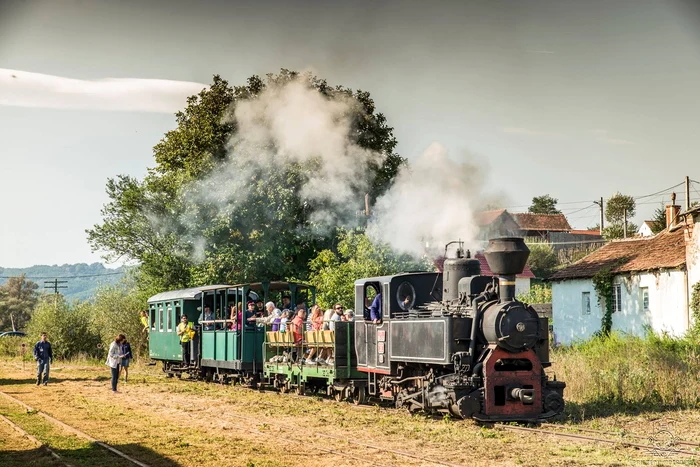
Mocănița from Valea Hârtibaciului Sibiu Photo Friends of Mocănița Association
Its first section, between Sighisoara and Agnita, of 48 kilometers, was put into use in 1898, and the second, between Agnita and Sibiu, of 62 kilometers, in 1910. The railway was used for the transport passengers and goods, especially wood, but in 1965 its first section was abolished. In 2001, the circulation of passenger trains operated by CFR on the Sibiu – Agnita route was stopped. An association tried to save the railway and promote it as a tourist attraction.
“Out of the 64 kilometers of cobblestone railway on Valea Hârtibaciului, until now the seven kilometers between Hosman and Cornățel stations have been put back into operation by volunteers. On these, the Friends of Mocăniței Association regularly organizes diesel train races, and occasionally steam train races. Currently, we are working on extending the mocanica route by another 2.6 kilometers, from Hosman to the former Fofeldea bus stop, which we hope you will be able to travel with the cyclo-drezina soon”informs the NGO Asociatia Prietenii Mocăniței.
The Mocanites from Apuseni
In the Apuseni Mountains, the narrow-gauge railway Turda – Abrud, with a length of 93 kilometers, was built in the period 1891-1912, being used until 1997 for the transport of passengers and wood.
Most of the route has been decommissioned, but two sectors of it have been preserved, which total 30 kilometers and are used for tourist purposes. One connects the Lunca Ariesului and Sălciua localities and another starts from Câmpeni (video), on a route of 11 kilometers, to Cărpiniș, in the vicinity of the town of Abrud.
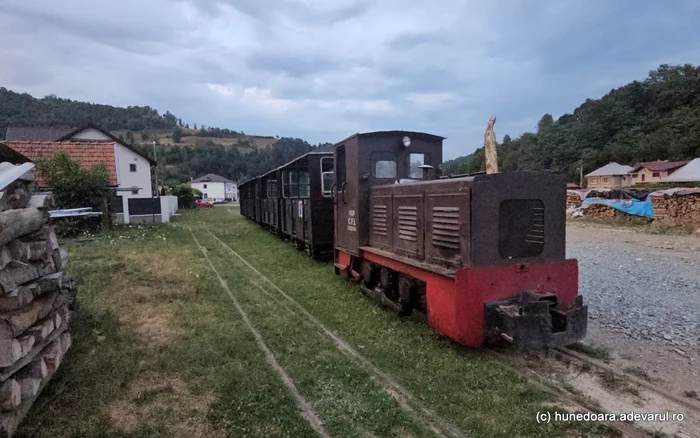
Mocănița from Campeni. Photo: Daniel Guță. TRUTH
“Until the 1970s, the train was powered by steam locomotives. As technology evolved, the locomotives had modern trains, which were the equivalent of those running on normal lines, but on a smaller scale. These were the last trains that ran on Valea Ariesului”informs the Narrow Railways, the company that takes care of the route.
Also in the Apuseni Mountains, in the Crișului Alb valley, steam locomotives run on the last narrow gauge railway from Hunedoara, a section of about ten kilometers between the localities of Brad and Crișcior (video).
The over 110-year-old railway was used intensively until the end of the 20th century, for the transport of coal from Țebea and ore from the mines in the Brad area. It was classified as a historical monument, on the initiative of the Austrian Georg Hocevar, who maintains the route.
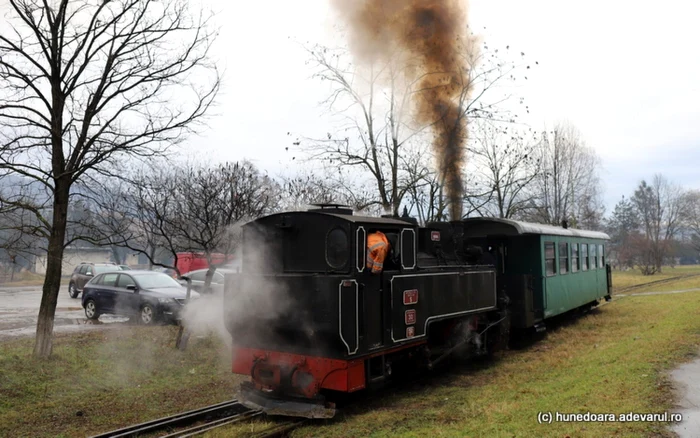
Mocănița Brad – Crișcior. Photo: Daniel Guță. TRUTH
In Hunedoara, more than 100 kilometers of narrow gauge railway were operating in the middle of the last century, the oldest of them being the line Hunedoara – Ghelari, from the Forest Land. Another railway connected the city of Orăștie with Sarmizegetusa Regia, located about 40 kilometers away, on the Grădisti valley, having several ramifications. These mining railways and forestry railways were mainly used for the transport of coal and wood, but they were equally useful to the inhabitants of the isolated settlements of Hunedoara.
Mocănițele from northern Romania
In the north of Romania, the town of Vișeu de Sus in Maramureș has become a resort town in recent years, also known for the forest railway, which has been used almost continuously since its inauguration in 1932, on its route of about 30 kilometers from Vaser valley. Currently, a 22-kilometer section of the narrow-gauge railway, between Vișeu de Sus and Paltin stations, is intended for tourists.
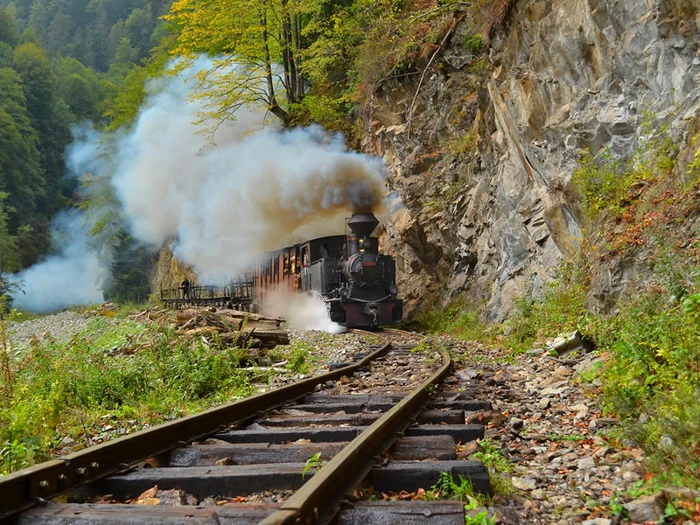
Valea Vaserului Photo Vișeu de Sus City Hall.
“The Mocănița from Vişeu de Sus is the last forest railway with steam in the world. Currently, there are four steam locomotives operating on this route, their names being: Switzerland, Cozia, Măriuţa, Krauss. The total duration of the trip on the route Vișeu de Sus – Paltin Station is two hours”announces the town hall of Viseu de Sus.
In Bucovina, the first narrow-gauge railways were built at the end of the 19th century, in Moldovița, and in the 80s the network of railways with a gauge of 760 mm exceeded 70 kilometers, the tracks being used especially for the transport of logs. At the Moldovița Monastery in Suceava, a route of about 12 kilometers of narrow gauge railway on which the “Mocănița Huțulca” runs has been, since 2005, intended for tourism.
The first forest railway in Romania, built between 1889 and 1891 on the Covasna Comandău route, was closed to traffic in 1999, but in the following years a section of about seven kilometers was used for tourist purposes in Covasna.
The narrow Târgu Mureş – Lechinţa line, 96 kilometers long, dates from the beginning of the 20th century and was decommissioned in the 90s. The railway lines were lifted, except for a 35-kilometer section between Râciu (Mureş) and Teaca (Bistriţa-Năsăud) which was rehabilitated and occasionally used for tourist purposes.
