
The head of the World Health Organization warned that the climate changes that have and will take place fundamentally represent a current health crisis. The transmission of diseases such as malaria, dengue fever and cholera will be accelerated by the intensification of extreme weather phenomena, said Tedros Adhanom Ghebreyesus, referring to diseases considered eradicated in many areas of the world.
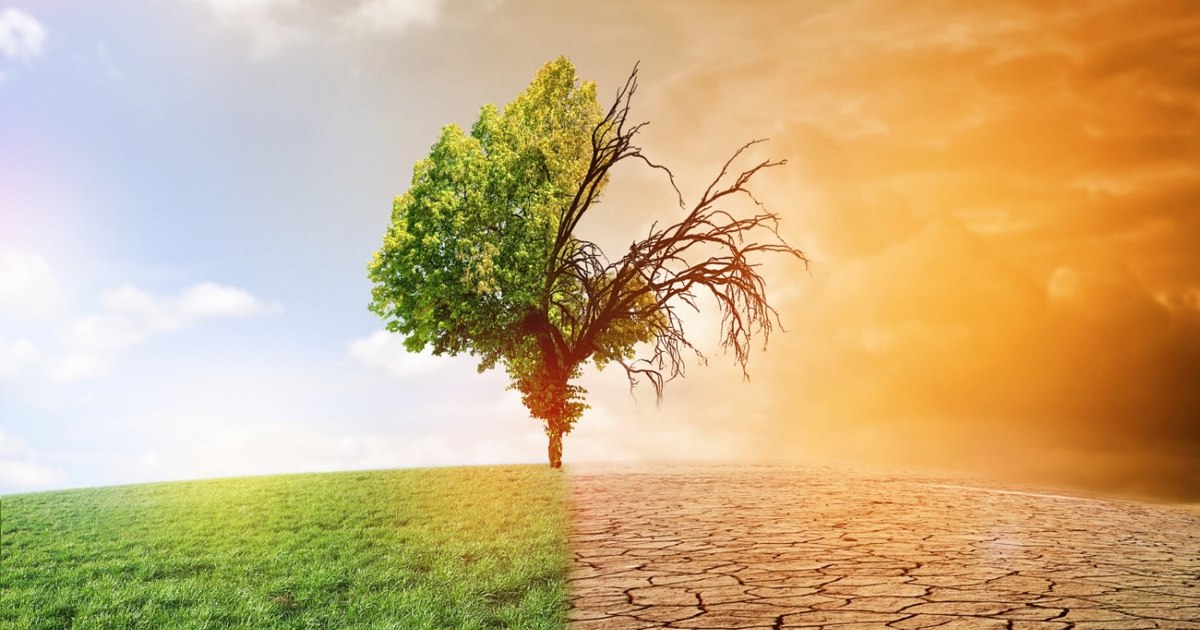
Global warming, a health emergency. Photo source: archive
The Director General of the WHO, Tedros Adhanom Ghebreyesus, declared that the situation is serious and calls for urgent reactions. “Currently, not enough is being done to take mitigation and adaptation measures to protect and ensure the health of the world’s population. Although the climate crisis has multiple facets, from the point of view of the WHO, this is, in essence, a health crisis. It is one of the greatest health challenges facing humanity today.” said the WHO director.
Adhanom Ghebreyesus explained that the effects of climate change wreak havoc on people’s health, disrupting societies, economies and development. The official warned that “in the absence of immediate action, increased prevalence of climate-related diseases, destruction of health infrastructure and increased social burden could overwhelm already overburdened health systems” around the world.
The WHO, he said, has been gathering evidence on the health impacts of climate change for over 25 years. Among other consequences, he listed the potential increase in the transmission of diseases such as malaria, dengue fever and cholera as extreme weather events intensify, reducing access to safe drinking water and contributing to the spread of disease-carrying vectors such as mosquitoes. Increasingly frequent and severe extreme weather events are causing death and injury, while more fires are destroying homes, deadly hurricanes are hitting islands and coastal states, and floods are killing thousands and displacing millions. people, said the WHO director. “Currently, approximately 9.2 million children are facing water shortages. This situation is almost certain to worsen as climate change increases the severity and frequency of droughts, the pollution of water sources and the salinity of water in coastal areas.” he said, noting that extreme weather events also disrupt agriculture and other food resources, increasing food insecurity and malnutrition.
2025, one of the three warmest years on record worldwide
In this context of climate change and global warming, the British meteorological agency Met Office announced that the year 2025 would be one of the three warmest years ever recorded worldwide.
Next year, warming would be between 1.29 degrees Celsius and 1.53 degrees Celsius compared to the pre-industrial period (1850-1900), or an average of 1.41 degrees Celsius, according to the British agency. “The end of the natural phenomenon El Nino which, combined with human-caused global warming, raised temperatures in 2023-2024, should normally lead to a cooling. But it is interesting to note that high global temperatures are forecast for 2025, despite the fact that (the) tropical Pacific is moving into a La Nina phase, which results in slightly cooler conditions.”pointed out Professor Adam Scaife from the Met Office.
