
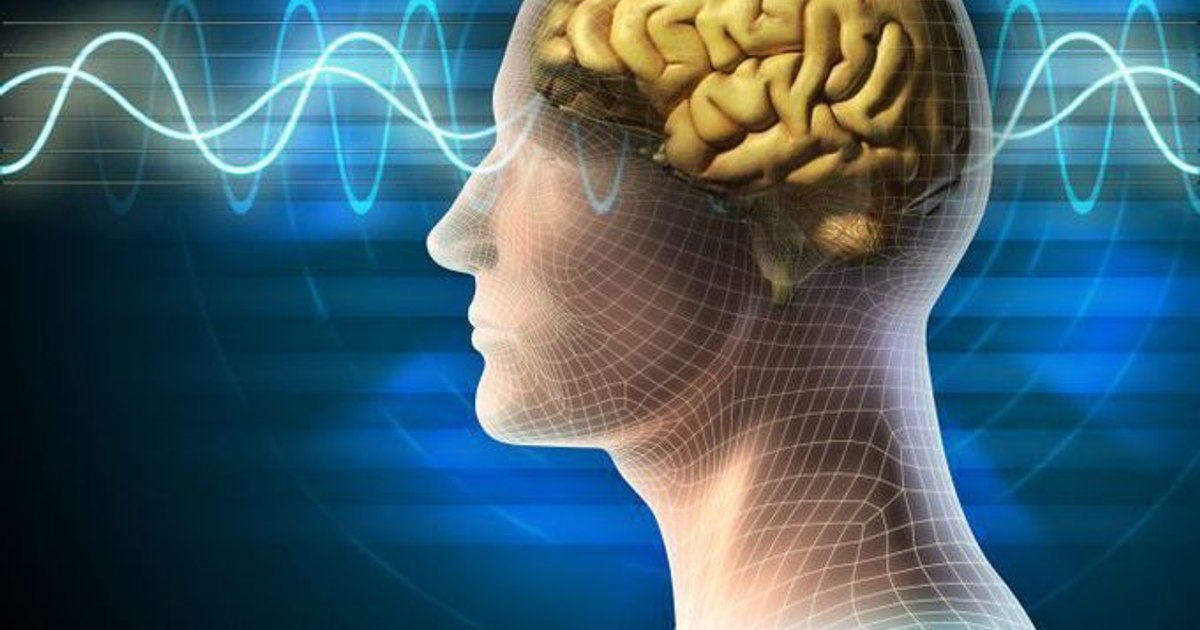
Social media addiction can shrink gray matter, shorten attention spans, weaken memory and distort basic cognitive functions, according to recent research.
The human brain is subject to many challenges PHOTO: Shutterstock
“Brain rot” has been named the Oxford word of the year 2024 following a public vote in which more than 37,000 people took part. Oxford University Press defines the concept as “alleged deterioration of a person’s mental or intellectual state, seen especially as a result of excessive consumption of material (now especially online content) considered to be banal or unprovocative”, write english.elpais.com.
According to linguistic experts at Oxford, the term reflects growing concerns about “the impact of excessive consumption of poor quality online content, especially on social media”. The frequency of use of the term increased by 230% between 2023 and 2024.
But brain rot isn’t just a linguistic quirk. Over the past decade, scientific studies have shown that this excessive consumption of unhealthy content—including sensational news, conspiracy theories, and empty entertainment—can profoundly affect our brains. In other words, “rottenness” may not be such an exaggeration when it comes to describing the impact of low-quality online content.
Research conducted by prestigious institutions such as Harvard Medical School, Oxford University and King’s College London – cited by The Guardian – shows that social media consumption can reduce gray matter, shorten attention span, weaken memory and distort basic cognitive functions.
A 2023 study highlighted these effects, showing how internet addiction causes structural changes in the brain that influence behavior and cognitive abilities. Michoel Moshel, a researcher at Macquarie University and co-author of the study, explains that compulsive content consumption – popularly known as doomscrolling – “takes advantage of our brain’s natural tendency to seek out new things, especially when it comes to information potentially harmful or alarming, a trait that once helped us survive.”
Moshel explains that features such as “the infinite scroll”, which are designed to keep users glued to the screen, can trap people – especially young people – in a cycle of consuming content for hours. “This can significantly affect attention and executive functions by overwhelming our focus and altering the way we perceive and respond to the world.”says the researcher.
Eduardo Fernández Jiménez, clinical psychologist at Hospital La Paz in Madrid, explains that the brain activates different neural networks to manage different types of attention. He notes that excessive use of smartphones and the Internet causes problems with sustained attention, which
“allows you to focus on the same task for a longer or shorter period of time.”
He adds: “It is the one that is related to academic learning processes”.
The problem, the researcher says, is that social media users are constantly exposed to variable and rapidly changing stimuli – such as Instagram notifications, WhatsApp messages or news alerts – that have the potential to be addictive. This means that users are constantly shifting their attention, which undermines their ability to focus effectively.
The first warning came with the email
Experts have been sounding the alarm about this problem since the turn of the century, when email became a common tool. In 2005, The Guardian headlined: “Email is a threat to IQ.” The article reported that a team of scientists from the University of London investigated the impact of the constant influx of information on the brain. After conducting 80 clinical trials, they found that participants who used email and cell phones daily had an average IQ drop of 10 points. The researchers concluded that this constant demand for attention had a more harmful effect than the use of cannabis
This was before tweets, Instagram roles, TikTok challenges, and push notifications. However, the current situation is even more worrying. Recent research has found that excessive internet use is linked to a decrease in gray matter in the prefrontal regions of the brain – areas responsible for problem solving, emotional regulation, memory and impulse control.
Research by Moshel and his colleagues supports these findings. Their latest study, which analyzed 27 neuroimaging studies, showed that excessive Internet use is associated with a reduction in gray matter volume in brain regions involved in reward processing, impulse control and decision-making. “These changes mirror patterns seen in substance addictions.”says Moshel, comparing them to the effects of methamphetamines and alcohol.
But that’s not all. The research also found that “these neuroanatomical changes in adolescents coincide with disruptions in processes such as identity formation and social cognition—critical aspects of development at this stage.” This creates a kind of feedback loop, where the most vulnerable individuals are often the most affected. According to a study published in Nature in November, people with poorer mental health are more likely to engage in unwanted content, which further worsens their symptoms.
In December, psychologist Carlos Losada offered advice to EL PAÍS on how to avoid falling into the doomscrolling trap — or, in other words, being consumed by the endless cycle of algorithm-amplified junk content. His recommendations included acknowledging the problem, making a conscious effort to disconnect, and engaging in activities that require physical presence, such as seeing friends or playing sports.
“These activities are essential for brain health and overall well-being, helping to balance the potentially harmful effects of prolonged screen use,” explains Moshel, who points out that the type of content consumed plays a critical role in shaping the anatomy of the brain. “Focus on both the quality and quantity of screen time. Prioritize educational content that avoids addictive features. Set clear, age-appropriate limits on daily screen use and encourage regular breaks.”
